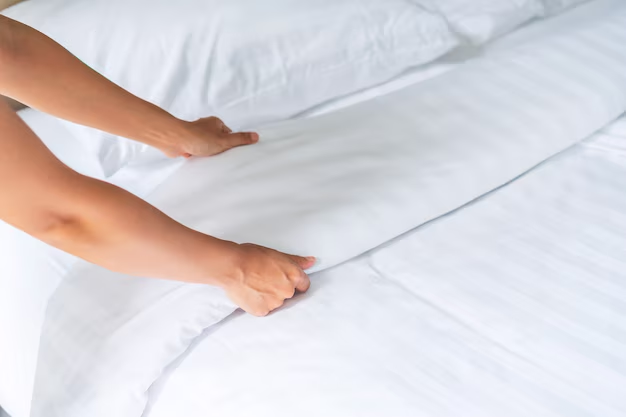
Why Use a Mattress Protector: Practical Reasons to Cover Your Mattress
If you’re wondering “Why use a mattress protector?”, you’re really asking whether an extra layer on your bed is worth the effort. This FAQ-style guide explains what a mattress protector does, why it matters for everyday use, and how it can help you take better care of your mattress.
What Is a Mattress Protector?
A mattress protector is a thin, removable layer that fits over your mattress, usually like a fitted sheet or encasement. Its main job is to protect the mattress from spills, stains, moisture, dust, and general wear.
Unlike a mattress topper, which is designed to change the feel of the bed (softer, firmer, more cushioning), a protector focuses on protection and cleanliness, not comfort or support.
Why Use a Mattress Protector at All?
When people ask “Why use a mattress protector?”, they usually want to know if it makes a real difference in daily life. In most homes, it does.
Here are the main reasons:
Keeps spills and stains off the mattress
Drinks, sweat, and accidental spills are much easier to clean off a washable protector than from a mattress surface.Helps keep the sleep surface fresher
A protector adds a barrier between your body and the mattress, which can help limit buildup of sweat, oils, and everyday dust.Supports mattress hygiene over time
Regularly washing a protector is far easier than trying to deep-clean a mattress itself.May help with warranty conditions
Many mattress warranties exclude damage from stains or liquid. Keeping the mattress clean and unstained is often important for warranty coverage.
In short, a protector helps preserve the condition and appearance of the mattress, which many sleepers find reassuring.
Does a Mattress Protector Really Extend Mattress Life?
A common question behind “Why use a mattress protector?” is whether it can help your mattress last longer.
A protector does not change how the mattress is built, but it can:
- Reduce moisture exposure, which may help prevent damage to foam or fabric over time.
- Limit friction and abrasion from repeated use, which can help keep the surface fabric in better shape.
- Protect against stains that might lead to early replacement for cleanliness reasons rather than structural failure.
While it cannot prevent natural wear, keeping liquids, dirt, and surface damage away from the mattress often means you’re comfortable using it for longer.
What Types of Mattress Protectors Are There?
Fitted vs. Encasement
Fitted-style protectors
Look like a fitted sheet and cover the top and sides. They’re widely used and easy to put on and remove.Full encasements
Zip around the entire mattress, covering top, sides, and bottom. These are chosen when people want more complete coverage around the whole mattress.
Waterproof vs. Non-Waterproof
Waterproof protectors
Include a thin waterproof layer to help block liquids from reaching the mattress. Many are designed to feel like regular fabric on top, with the barrier underneath.Water-resistant or non-waterproof protectors
Offer some protection against light moisture, but not full liquid blocking. These may be chosen if someone prefers a simpler, more breathable feel and does not expect frequent spills.
Will a Mattress Protector Make My Bed Hot or Noisy?
Some sleepers worry that protectors feel like plastic or make crinkling sounds.
Modern protectors often use soft fabrics on the surface with a thin, flexible backing. In many cases:
- Any sound is minimal, especially once sheets and bedding are on top.
- Breathability depends on the materials. Some fabrics feel cooler and more breathable than others.
If you are sensitive to heat or noise, you may want to look for:
- Smooth, fabric-like tops (such as knit or woven materials)
- “Quiet” or “low-noise” style descriptions, rather than stiff or plastic-feeling covers
Personal preference plays a big role here. Some sleepers barely notice a protector; others are more particular about texture and temperature.
How Often Should I Wash a Mattress Protector?
Most people wash a protector similarly to bed sheets, though often less frequently. A common pattern is:
- Every 1–2 months in typical use
- More often after spills, warm weather, or if anyone has been ill in bed
Always follow the care instructions on the label. Many protectors are machine-washable and tumble-dry safe on low or medium heat, but some may have specific temperature limits to protect the waterproof layer.
What Should I Look for When Choosing a Mattress Protector?
When thinking through why use a mattress protector, it helps to know how to choose one that fits your priorities.
🔍 Key points to consider:
- Size and fit – Match mattress size and depth so it stays in place.
- Level of protection – Decide whether you want waterproof, water-resistant, or basic coverage.
- Material feel – Smooth, quilted, or stretchy fabrics all feel different under your sheets.
- Ease of cleaning – Check washing and drying directions.
- Noise and breathability – Important if you are sensitive to sound or warmth at night.
✔️ Quick Mattress Takeaways
Key points consumers should understand about Why Use a Mattress Protector
- Main purpose: A mattress protector creates a washable barrier between you and the mattress.
- Why use a mattress protector: It helps protect against spills, stains, moisture, dust, and general wear, supporting cleanliness and appearance over time.
- Comfort: It does not replace a topper; its role is protection, though many are designed to feel unobtrusive.
- Durability: By shielding the surface from damage and dirt, it can help you feel comfortable keeping your mattress longer.
- Practical care: It is easier to wash a protector than a mattress, making routine hygiene more manageable.
- Fit and features matter: Choosing the right size, material, and level of protection makes it more likely you’ll be satisfied using one every night.
Using a mattress protector is a simple, low-effort step in mattress use and care. For many sleepers, it offers peace of mind: the mattress stays cleaner, protection is in place if accidents happen, and upkeep becomes easier over the years.