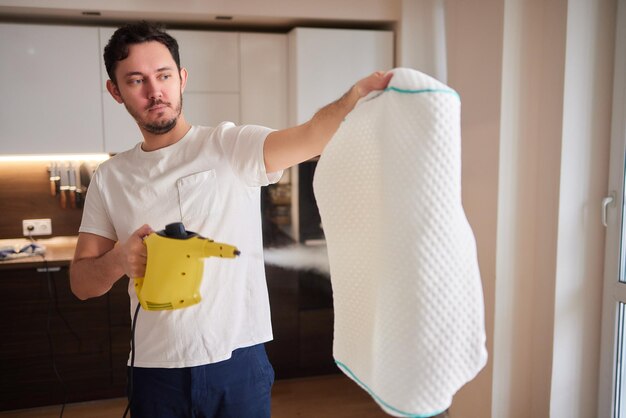
Why Do Mattresses Turn Yellow? Common Causes and How to Slow It Down
If you’re wondering “Why do mattresses turn yellow?”, you’re not alone. Many people notice yellow stains or an overall yellowing on their mattress over time and worry something is wrong. The good news is that this is usually normal aging, not a sign that your mattress is unsafe to sleep on.
Below, you’ll find clear answers to the most common questions about why mattresses turn yellow, what’s considered normal, and what you can realistically do about it.
What Actually Makes a Mattress Turn Yellow?
The main reason mattresses turn yellow is oxidation and moisture exposure. Over time, the materials inside your mattress react to:
- Air and light (especially UV light from windows)
- Sweat and body oils
- Humidity and spills
- Dust and everyday use
This combination gradually causes the foam and fabrics to discolor, shifting from white or off‑white to various shades of yellow or beige.
Is It Normal for a Mattress to Turn Yellow?
Yes. Yellowing is a normal sign of aging in almost all mattress types, including foam, hybrid, and traditional spring mattresses with comfort layers on top.
Yellowing alone does not automatically mean your mattress is dirty or needs to be replaced. It usually reflects:
- Natural oxidation of foam and fabrics
- Regular use and exposure to your body’s moisture and oils
- Sunlight or room light hitting exposed areas
What matters more than color is how your mattress feels and smells. If it still feels supportive and doesn’t have a strong, unpleasant odor, yellowing is typically just cosmetic.
Why Do Mattresses Turn Yellow from Sweat and Oils?
One of the biggest contributors to yellow staining is moisture from your body:
- Sweat: Even if you feel cool at night, most people perspire a bit while sleeping. That moisture can move through sheets and into the mattress surface.
- Body oils and skin: Natural oils and tiny skin flakes build up over time, especially if you sleep without a protector.
When these substances soak into the foam or fabric and then dry, they can leave yellow or darker stains, often in the area where you usually sleep.
Using a washable mattress protector can significantly reduce how much of this reaches the mattress itself, which helps slow down yellowing.
Does Sunlight or Air Exposure Make Mattresses Yellow?
Yes, light and air exposure can also explain why mattresses turn yellow.
- Sunlight (UV light) can cause fabrics and foams to oxidize and fade or yellow, even if they’re never slept on.
- Oxygen in the air slowly reacts with the materials in the mattress, a natural process similar to how some plastics or papers yellow with age.
If you leave a mattress uncovered in a bright room, you may notice uneven yellow patches in the areas that get the most light.
Can I Clean or Remove Yellow Stains from a Mattress?
You can often lighten some surface stains, but it’s difficult to fully restore a mattress to its original color.
Mild cleaning approaches many people use include:
- Lightly vacuuming the mattress surface
- Spot-cleaning with a small amount of gentle detergent and water
- Allowing the mattress to dry completely before putting bedding back on
Because mattresses absorb moisture, it’s important not to soak them. Deep yellowing inside the foam is usually permanent and cosmetic rather than harmful.
When Does Yellowing Mean a Problem?
Yellowing alone usually isn’t a problem. However, it’s worth taking a closer look if you notice:
- Strong, unpleasant odors that don’t go away with light cleaning or airing out
- Visible mold or mildew, such as fuzzy or dark spots, especially after a major spill or prolonged dampness
- Large, new stains after an accident or spill
In these situations, discoloration may be linked to moisture damage, not just normal aging. Keeping your mattress dry and protected can help prevent these issues.
How Can I Slow Down or Minimize Yellowing?
You can’t stop materials from aging, but you can slow how quickly your mattress turns yellow:
- Use a water-resistant mattress protector to shield against sweat and spills
- Wash sheets and bedding regularly
- Avoid placing the mattress in direct sunlight for long periods
- Let the mattress air out occasionally by removing bedding for a few hours in a dry room
- Address spills quickly to reduce deep staining
These steps help keep the mattress surface cleaner and may help it look fresher for longer.
Does a Yellow Mattress Need to Be Replaced?
A mattress doesn’t need replacing just because it turned yellow. Consider replacement when:
- It no longer feels comfortable or supportive
- You notice persistent odors you can’t remove
- There are signs of structural wear, such as deep sagging or lumps
Color change is almost always a cosmetic issue, while comfort and support affect how you sleep.
✅ Quick Mattress Takeaways
Key points to understand about “Why Do Mattresses Turn Yellow”
- Yellowing is normal: Most mattresses turn yellow over time due to air, light, sweat, and natural aging.
- Oxidation is a major cause: Foam and fabrics react slowly with oxygen and light, leading to discoloration.
- Sweat and oils contribute: Body moisture and oils can create visible yellow patches, especially without a protector.
- Mostly cosmetic: A yellow mattress can still be usable if it feels supportive and doesn’t have concerning odors.
- Cleaning has limits: Light cleaning may reduce surface stains, but deep yellowing is usually permanent.
- Protection helps: A good mattress protector, regular bedding care, and avoiding long-term direct sunlight can slow yellowing.
Understanding why mattresses turn yellow can make the change in color feel less worrying. In most cases, it’s simply a visible sign that your mattress has been used, not a sign that something is wrong with it.