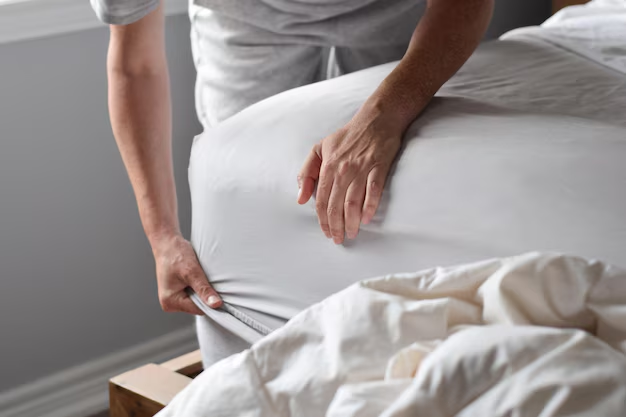
When Should You Replace a Mattress? Key Signs and Simple Guidelines
If you’re wondering “When should you replace a mattress?”, you’re not alone. Many people keep their mattress longer than they should, simply because it’s not always obvious when it’s time for a change. This guide explains how long mattresses typically last, what signs to look for, and how your sleep comfort fits into the decision.
How Long Does a Mattress Usually Last?
There is no single exact number of years that applies to every mattress, but many mattresses are commonly replaced around the 7–10 year mark.
Lifespan depends on factors like:
- Mattress type and materials
- How much it’s used (nightly vs. guest room)
- Sleeper’s body weight and sleeping position
- Quality of construction and ongoing care
Instead of focusing only on age, it’s more useful to look at how the mattress feels and performs right now.
When Should You Replace a Mattress? Main Warning Signs
A good rule of thumb: replace your mattress when it no longer supports comfortable, restful sleep, even if it hasn’t hit a specific age.
Common signs it may be time:
1. Visible Sagging or Impressions
If you see:
- Noticeable dips where you usually lie
- Lumps, uneven surfaces, or ridges
- A roll-toward-the-middle feeling
these can be signs that the internal materials are breaking down. Consistent sagging usually means the mattress is past its best.
2. Increased Discomfort or Restlessness
If you’re asking “When should you replace a mattress?” because you’re waking up sore or tired, pay attention to:
- New or worsening stiffness when you get up
- Feeling better when you sleep on a different bed or the sofa
- Tossing and turning more than you used to
When other beds feel more comfortable than your own, your mattress may no longer be meeting your needs.
3. More Motion Transfer and Noise
Over time, support systems can loosen:
- Springs may start to creak
- You might feel every movement from a partner more than before
If your mattress is noisier, bouncier, or less stable than it used to be, that’s another sign of aging.
4. Changes in Your Body or Sleep Preferences
Even if the mattress hasn’t changed much, you might have:
- Different preferred sleeping position than when you bought it
- Weight changes that affect how the mattress feels
- A greater need for either pressure relief or firmer support
If your body or preferences change, the mattress that once felt ideal may no longer be the right match.
Does Mattress Type Affect When You Should Replace It?
Different materials tend to wear out differently.
Foam and Hybrid Mattresses
Foam and hybrid beds may show:
- Gradual softening over time
- Body impressions in regular sleeping spots
When impressions feel deep or you sink too far in, it can be a sign the mattress is nearing replacement time.
Innerspring Mattresses
Traditional spring mattresses may:
- Develop squeaks and creaks
- Lose support as coils weaken
- Feel uneven or “pokey” in some areas
These changes can happen gradually, so check in with how you feel in the morning.
How Often Should You Check Your Mattress?
It’s helpful to give your mattress a quick check every 6–12 months:
- Look for dips, lumps, or tears in the cover
- Notice whether you feel rested or sore on waking
- Compare how you feel after sleeping elsewhere
This simple habit can make it easier to decide when you should replace a mattress before comfort seriously declines.
Can You Make a Mattress Last Longer?
You can’t stop natural wear, but you can often slow it down:
- Use a supportive bed frame or base designed for your mattress type
- Rotate the mattress (if recommended by the maker) to even out wear
- Use a mattress protector to guard against spills and stains
- Avoid regularly sitting on the same edge, which can compress it over time
Good care won’t make a worn-out mattress feel new again, but it can help you get the most from it before replacement.
✔️ Quick Mattress Takeaways
Key points consumers should understand about “When Should You Replace a Mattress”
- There is no single exact year when you must replace; comfort and support matter most.
- Many mattresses are commonly replaced around every 7–10 years, depending on use and materials.
- Visible sagging, lumps, or deep body impressions are strong signs it’s time to replace.
- If you sleep better on another bed than on your own, your mattress may be past its prime.
- Noise, increased motion transfer, and a “rolling toward the middle” feeling point to aging.
- Changes in your body, weight, or sleep style can mean you need a different type of support.
- Regular checks, rotation (when suitable), and proper support can help extend usable life, but not indefinitely.
Knowing when you should replace a mattress comes down to noticing how it looks, how it feels, and how you feel when you wake up. If your mattress is older, visibly worn, or no longer comfortable and supportive, it may be time to consider a new one that better matches your current sleep needs.