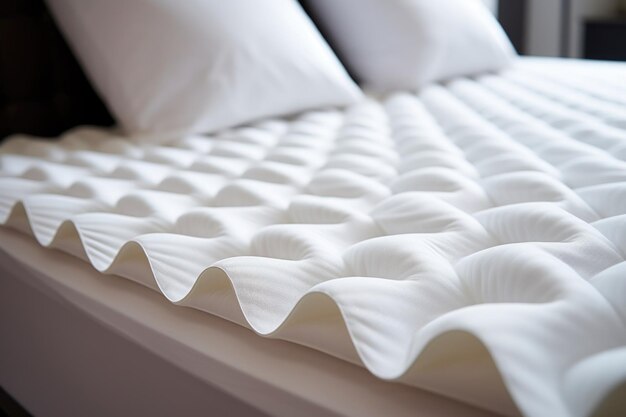
What’s In a Mattress? Understanding the Layers and Materials Inside
If you’re wondering “What’s In a Mattress” before you buy one or try to care for the one you have, you’re in the right place. Knowing what’s inside helps you understand comfort, durability, weight, and how to care for your mattress over time.
Below is a clear breakdown of the main components you’ll find in most modern mattresses and what they actually do.
What’s In a Mattress at the Most Basic Level?
Most mattresses, regardless of brand or style, are built from a stack of layers, typically including:
- A cover (also called the ticking)
- A comfort system (top layers you feel most)
- A support core (the main structure that holds your body up)
- Optional transition or base layers
While the exact materials can vary, this basic structure is common across many mattress types.
What Does the Mattress Cover Do?
The outer fabric or cover is the first part you see and touch.
Common cover materials include:
- Knitted or woven fabric (often polyester, cotton, or blends)
- Quilted covers with foam or fiber padding
- Sometimes specialty fabrics designed to feel cooler or softer
The cover’s main purposes are to:
- Protect the internal layers from direct contact and light wear
- Provide a smooth, comfortable surface for your sheets to sit on
- Sometimes add a bit of extra cushioning via quilting
Care-wise, always check the manufacturer’s label. Some covers are removable and washable, while others are meant to be spot-cleaned only. Washing or treating a cover the wrong way can damage the materials underneath.
What Is the Comfort Layer Made Of?
Just under the cover is the comfort layer (or comfort system). This is what most people feel when they lie down.
Common comfort layer materials include:
- Memory foam – known for a contouring, “hugging” feel
- Polyfoam (polyurethane foam) – can range from soft to firm, often used in multiple layers
- Latex foam – often described as bouncy and responsive
- Fibers – such as cotton, wool, or synthetic fibers for extra plushness
- Mini coils or microcoils – very small springs added for additional cushioning and flexibility
The comfort layer’s job is to:
- Provide initial softness or firmness
- Help distribute body weight across the surface
- Reduce the feeling of pressure in heavier or more sensitive areas
Over time, comfort layers can soften or compress, which is why rotating your mattress (if recommended by the manufacturer) can help maintain a more even feel.
What’s Inside the Support Core of a Mattress?
Beneath the comfort system is the support core. This is the “engine” of the mattress that provides structure.
Typical support core types:
Innerspring (coil) systems – made of metal springs:
- Connected coils: linked together in a grid
- Pocketed coils: each coil wrapped in fabric, allowing more independent movement
Foam cores – usually high-density polyfoam or latex:
- High-density foam: tends to feel sturdy and stable
- Latex core: often more buoyant and springy
The support core’s main roles:
- Keep your body from sinking too far into the mattress
- Provide overall stability and shape
- Influence how responsive or bouncy the mattress feels
Generally, thicker or firmer cores tend to feel more supportive, while thinner or softer cores may feel more cushioned but less firm.
Are There Extra Layers at the Bottom?
Many mattresses also include:
- Transition layers – placed between soft comfort foam and a firmer core to make the shift between layers smoother
- Base layers – often a firmer foam at the very bottom to provide a flat, stable foundation for the coil or foam system above
While you don’t feel these layers directly, they can affect overall stability and long-term wear.
How Do What’s In a Mattress and Its Materials Affect Care?
Understanding “What’s In a Mattress” helps you care for it properly:
- Foam-heavy mattresses
- Often benefit from rotating (head-to-foot) as recommended
- Usually should not be flipped unless clearly labeled double‑sided
- Innerspring or hybrid mattresses
- Can also benefit from periodic rotation
- May feel different if the top comfort foams compress over time
For all mattress types:
- Use a protective mattress cover or protector to help keep sweat, spills, and dust off the internal layers.
- Avoid excess moisture; many internal materials are not designed to be heavily wet.
- Follow any weight, base, or frame guidelines provided, since the support core is built with certain conditions in mind.
Common Questions About What’s In a Mattress
Are the Materials the Same in All Mattress Types?
No. While the layer structure is similar, the materials can differ significantly:
- All-foam mattresses: usually multiple layers of memory foam and/or polyfoam, sometimes with latex
- Innerspring mattresses: thicker coil unit with thinner foam or fiber comfort layers
- Hybrid mattresses: a combination of substantial foam layers on top of a coil support core
Do Materials Inside a Mattress Affect Its Lifespan?
In general, denser foams, quality coils, and well-constructed covers tend to hold up longer than very thin or low-density layers. Over time, all materials will show some changes in feel, but sturdier components usually change more slowly.
✔️ Quick Mattress Takeaways
Key points consumers should understand about What’s In a Mattress
- Most mattresses share a basic structure: cover, comfort layers, support core, and sometimes transition/base layers.
- Comfort layers (foams, fibers, or microcoils) create the initial feel and pressure relief.
- Support cores (coils or dense foams/latex) provide the main structure and firmness.
- Covers and quilting add surface comfort and protection but need proper cleaning based on care labels.
- The materials that make up “What’s In a Mattress” influence firmness, responsiveness, weight, and care needs.
- Knowing the internal components helps you set realistic expectations for comfort changes over time and how to maintain your mattress.
Understanding what’s in a mattress gives you a clearer picture of why it feels the way it does, how it may change with use, and how to care for it so it stays comfortable and supportive for as long as possible.