What Were Mattresses Made Of In The 1600s? A Practical Guide to Early Bedding
If you’ve ever wondered “What Were Mattresses Made Of In The 1600s”, you’re not alone. Many people are curious about how people slept before springs, foam, and modern fabrics. Understanding what mattresses were like in the 17th century gives useful context for how far sleep comfort and mattress care have come.
Below, you’ll find a clear, FAQ-style look at 1600s mattress materials, how they were used, and what this means for how we think about mattresses today.
What were the most common mattress materials in the 1600s?
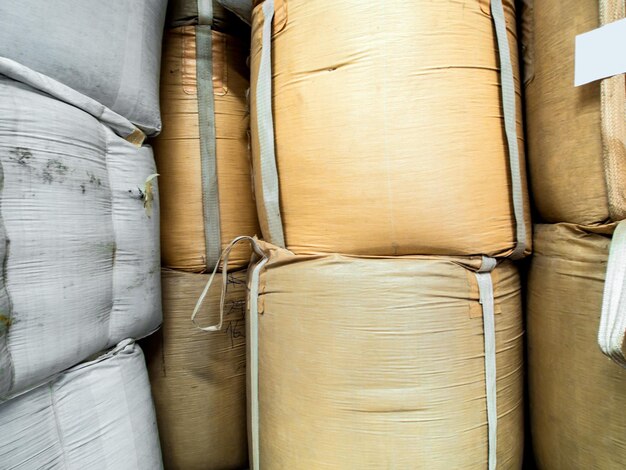
For most people in the 1600s, a “mattress” was a simple fabric sack or tick stuffed with whatever filling was affordable and available locally. Common fillings included:
- Straw or hay
- Chaff (husk from grains)
- Reeds or rushes
- Wool
- Feathers and down (mainly for wealthier households)
The outer cover was usually made from linen, hemp, or coarse canvas, sewn into a large rectangular bag that could be opened to add or replace filling.
Social class greatly influenced what mattresses were made of in the 1600s. Those with more resources tended to have softer, layered bedding, while poorer families slept on rougher, firmer pads filled with straw or similar plant materials.
How did mattress fillings differ by region and status?
Everyday households
In most ordinary homes, the answer to “What Were Mattresses Made Of In The 1600s” was simple: straw, chaff, or reeds.
- These materials were cheap and easy to obtain after harvest.
- They created a thick, somewhat uneven pad that offered basic cushioning over wooden slats, rope supports, or even the floor.
- Filling was usually replaced regularly, sometimes seasonally, because it broke down, became dusty, and attracted pests.
Wealthier homes and nobility
In richer homes, mattresses were often layered:
- A base mattress stuffed with wool, straw, or flock (small fabric scraps or fibers)
- A top featherbed filled with feathers and down for extra softness
- Finer linen covers that could be removed and laundered
These beds still relied on natural fillings, but they were thicker, plusher, and more carefully maintained than the basic straw pallets used by most people.
Did people replace or “refresh” mattresses in the 1600s?
Yes. Mattress care in the 1600s looked very different from today, but households still made an effort to keep bedding usable and reasonably clean.
Common care habits included:
- Restuffing or topping up straw or wool when it flattened
- Beating and airing mattresses outdoors to remove dust and odors
- Shaking and turning the mattress to redistribute lumps
- Changing the filling seasonally, especially in rural areas where fresh straw or chaff was available
Instead of buying a new mattress, people often reused the fabric tick and simply changed or refreshed the filling inside.
How comfortable were 1600s mattresses compared to today?
By modern standards, most 1600s mattresses would feel quite firm, uneven, and sometimes lumpy. Comfort varied widely depending on the materials:
Straw or chaff mattresses:
- Generally firm and rustly
- Could feel prickly as straw broke or shifted
- Lost loft relatively quickly
Wool mattresses:
- Felt warmer and slightly more cushioned
- Could compress and felt together over time if not fluffed
Featherbeds:
- Often considered a luxury comfort layer
- Softer and more responsive, but required frequent shaking and turning
Overall, support and hygiene were less consistent than with modern mattresses, and people relied more on bed linens, blankets, and extra padding to fine-tune comfort.
How did people keep 1600s mattresses clean?
Hygiene standards were very different, but there were still basic care practices:
- Mattress airing: Bedding was hung or placed outside in sunlight and fresh air.
- Beating and brushing: Mattresses and blankets were beaten to remove dust and debris.
- Linen washing: Sheets (if used) were washed more often than the mattress itself.
- Replacing filling: Old straw or other plant material was removed and discarded when too dirty or degraded.
Because mattresses were mostly natural, loose materials, they were easier to dismantle, clean in parts, and rebuild, but much harder to keep consistently fresh by modern expectations.
Were there any early “bed bases” or supports?
Yes. The mattress was often only one part of the sleep system. In the 1600s, beds might include:
- Wooden frames with rope lattices that needed periodic tightening
- Simple wooden platforms or boards
- Storage chests or box-like frames acting as a base
- In more modest homes, pallets directly on floors
The mattress filling helped soften and insulate these harder surfaces, making even a simple straw tick an important part of daily comfort.
✔️ Quick Mattress Takeaways
Key points consumers should understand about “What Were Mattresses Made Of In The 1600s”
- Core materials: Most 1600s mattresses were fabric sacks filled with straw, chaff, reeds, wool, or feathers.
- Social difference: Wealthier sleepers used layered mattresses and featherbeds, while most people slept on simple straw or chaff pallets.
- Natural construction: Everything was based on natural fibers and plant materials, with linen or canvas covers.
- Ongoing care: Instead of replacing the whole mattress, people refilled, fluffed, and aired their mattresses to extend their use.
- Comfort level: Compared to modern beds, 1600s mattresses were generally firmer, lumpier, and less hygienic, though still a major step up from bare floors or benches.
Understanding what were mattresses made of in the 1600s highlights how much mattress materials and care routines have evolved. From straw-filled ticks to today’s carefully engineered sleep surfaces, the basic goal remains the same: creating a supportive, reasonably clean place to rest each night.