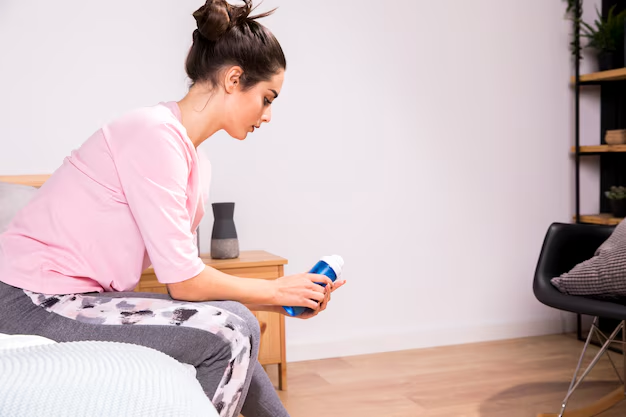
What To Spray On Mattress For Bed Bugs: Safe Options & Smart Steps
If you’re searching for “What To Spray On Mattress For Bed Bugs”, you’re likely dealing with bites, spotting insects, or seeing tiny stains on your bed. This guide walks through what you can safely spray on your mattress, what actually helps with bed bugs, and how sprays fit into a broader mattress-care routine.
Can You Spray Anything Directly On a Mattress for Bed Bugs?
Yes, you can spray certain products directly on a mattress, but it’s important to be selective. Not every bug spray is safe—or effective—on bedding.
When thinking about what to spray on mattress for bed bugs, focus on:
- Products labeled for indoor use on mattresses or bedding
- Contact sprays that are meant to directly reach visible bugs
- Residual sprays that are approved for mattress edges, seams, or frames (never use them like a fabric freshener)
Always follow the label and allow the mattress to dry completely before using it again.
What Types of Sprays Are Commonly Used On Mattresses?
Here are the main categories you’ll see when researching what to spray on mattress for bed bugs:
1. Contact Bed Bug Sprays
These are designed to kill bed bugs on contact when sprayed directly on the insects or their hiding spots.
Typical uses:
- Mattress seams and tufts
- Bed frame joints
- Box spring edges
They usually do not provide long-lasting protection, so they’re often combined with other methods, like covers and thorough cleaning.
2. Residual Bed Bug Sprays
Residual sprays are meant to keep working for a while after they dry, targeting bed bugs that crawl over treated surfaces later.
For mattresses:
- Many labels allow light applications to seams, edges, and tags, not full saturation of the sleeping surface.
- They are more commonly used on bed frames, baseboards, and furniture near the bed.
Always read directions carefully. Some residual products are not meant for direct contact with the part of the mattress you sleep on.
3. Plant-Based or “Natural” Sprays
Some sprays use plant-derived ingredients and are marketed as gentler options.
Things to keep in mind:
- They may have a strong scent.
- Some are allowed on mattress surfaces; others are restricted to non-sleep surfaces even if they’re plant-based.
- “Natural” doesn’t automatically mean safe for every use—labels still matter.
Are DIY Sprays Like Vinegar or Alcohol Safe for Mattresses?
People often wonder if they can skip commercial products and use common household liquids on their mattress for bed bugs.
Vinegar, Bleach, and Strong Cleaners
- These are not recommended directly on a mattress.
- They can damage fabrics, affect foam, and leave strong odors.
- They do not provide reliable, lasting control of bed bugs.
Rubbing Alcohol
- Sometimes suggested as a home remedy, but it can be flammable and drying to fabrics.
- It evaporates quickly and does not leave lasting protection.
- Using it heavily on a mattress can be risky and generally isn’t advised.
How Should You Prepare the Mattress Before Spraying?
Sprays work best as part of a larger cleaning routine, not on their own. Before applying anything:
Strip the bed
Remove sheets, pillowcases, and mattress protectors and wash and dry them on high heat if the care labels allow.Vacuum thoroughly
Focus on:- Seams and tufts
- Piping and edges
- Under mattress labels and handles
Empty the vacuum contents into a sealed bag and dispose of it outside.
Inspect the bed frame and nearby areas
Look for:- Tiny dark spots
- Shed skins
- Live bugs in cracks and joints
Spraying is more effective once these basic steps are done.
How Do Sprays Fit Into Long-Term Bed Bug Control?
Even the best choice for what to spray on mattress for bed bugs is usually not a complete solution on its own.
Common complementary steps include:
- Mattress encasements to trap existing bugs and prevent new ones from nesting inside.
- Careful inspection of surrounding furniture, cracks, and baseboards.
- Regular vacuuming of the bed and nearby floor area.
- Heat-based methods for bedding and washable items, using a hot dryer cycle where allowed by fabric care instructions.
Sprays are usually one part of a multi-step approach rather than a single fix.
✔️ Quick Mattress Takeaways
Key points consumers should understand about What To Spray On Mattress For Bed Bugs
- Use only mattress-safe bed bug sprays: Choose products clearly labeled for use on mattresses or bedding.
- Contact vs. residual:
- Contact sprays are for visible bugs and immediate treatment.
- Residual sprays are usually limited to seams, edges, and non-sleep surfaces.
- Avoid harsh DIY chemicals: Bleach, strong cleaners, and heavy alcohol use on mattresses are generally not recommended.
- Preparation matters: Strip bedding, wash on high heat if allowed, and vacuum seams before spraying.
- Don’t rely on spray alone: Combine sprays with encasements, routine cleaning, and thorough inspection of surrounding areas.
Knowing what to spray on mattress for bed bugs is mainly about safety, label directions, and realistic expectations. By pairing a mattress-safe bed bug spray with good cleaning habits and protective covers, you can take practical, informed steps toward reclaiming a clean and comfortable sleep surface.