What Is Tempur Mattress? Understanding This Popular Foam-Style Bed
If you’re searching “What Is Tempur Mattress”, you’re likely trying to figure out what makes this type of mattress different from standard foam or springs, how it feels, and how to care for it. This guide explains the basics in a simple, FAQ-style format so you can understand whether this style of mattress might suit your sleep needs and habits.
What Is a Tempur-Style Mattress?
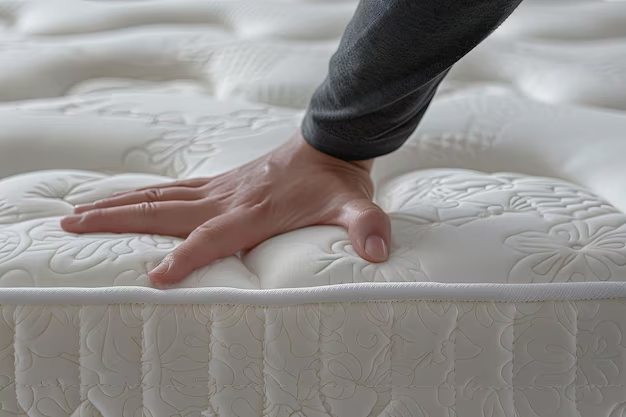
When people ask “What Is Tempur Mattress”, they are usually referring to a mattress made from a dense, slow-responding memory foam material that molds closely to the body.
Common features of this type of mattress include:
- Viscoelastic foam that softens with body heat and pressure
- Slow “memory” response, so impressions fade gradually when you move
- Multiple layers, often including a comfort layer, transition layer, and supportive base foam
- Foam-only construction, without metal springs in most designs
This material is known for creating a deep, cradling feel rather than the bouncy response of many traditional spring mattresses.
How Does a Tempur-Style Mattress Feel to Sleep On?
Many sleepers describe this style of mattress as:
- Conforming – it contours around shoulders, hips, and other curves
- Pressure-relieving – weight is spread more evenly over the surface
- Stable – movements are absorbed by the foam, so the bed has very little bounce
However, feel can vary depending on firmness level, layer thickness, and personal preference. Some people enjoy the “hugging” sensation, while others prefer a more buoyant, on-top-of-the-bed feel.
Why Do People Choose This Type of Mattress?
When asking “What Is Tempur Mattress”, many people also want to know why it has become so well-known.
Common reasons sleepers gravitate toward this style include:
- A close, body-contouring feel that can reduce pressure on heavier areas
- Motion isolation, which can be helpful if partners have different schedules or sleep patterns
- A generally quiet design, since there are usually no springs or squeaky components
These are typical preferences and not guarantees; comfort is highly individual.
Does a Tempur-Style Mattress Sleep Hot?
A frequent concern is whether this foam type retains heat. Traditional dense memory foam can feel warmer than some other materials because it:
- Hugs the body closely, reducing airflow around the sleeper
- Uses dense foam that can trap warmth
Many newer designs aim to address this using ventilated foams, breathable covers, or specialized comfort layers, but warmth sensitivity remains a personal factor. People who naturally sleep hot sometimes prefer lighter bedding, breathable protectors, or cooler room temperatures with this style of mattress.
How Long Does a Tempur-Style Mattress Typically Last?
Durability depends on:
- Foam density and quality
- How often the mattress is used
- The sleeper’s body weight and habits (for example, sitting on the same edge regularly)
Higher-density foams often maintain their shape and support for longer than very soft, low-density foams. Over time, some softening and body impressions are normal, especially in areas that get the most use.
How Do You Care For and Maintain This Type of Mattress?
Because this article focuses on mattress use & care, here are practical tips for looking after a Tempur-style mattress:
Do You Need to Flip It?
Most modern foam mattresses are one-sided, with comfort layers on top and support layers underneath. These are not designed to be flipped.
Instead, many owners:
- Rotate the mattress head-to-foot a few times a year
- Aim for even wear over the surface
Check the specific care instructions that come with your mattress to confirm what is recommended.
Can You Use a Regular Bed Frame?
These mattresses usually work best on a solid, stable surface, such as:
- A platform bed with closely spaced slats
- A solid foundation or base
Very wide gaps between slats can lead to sagging or uneven support over time, so many manufacturers specify a maximum gap size in their care guidance.
How Do You Clean It?
For general care:
- Use a removable, washable cover if provided or compatible
- Spot clean stains gently on the cover, avoiding soaking the foam
- Use a mattress protector to limit spills, sweat, and dust
Memory-style foams should not be saturated with liquid, as they dry slowly and can be damaged by excessive moisture.
Is a Tempur-Style Mattress Good for All Sleep Positions?
Comfort depends on firmness and body type, but common patterns include:
- Side sleepers often like the way the foam cushions shoulders and hips
- Back sleepers may appreciate the even support along the spine
- Stomach sleepers sometimes prefer firmer models to avoid sinking too deeply
Because these beds respond slowly to movement, some people need a brief adjustment period to get used to the feel.
What Should You Consider Before Choosing This Type of Mattress?
When you ask “What Is Tempur Mattress”, you’re often also deciding whether it suits your lifestyle. Helpful points to consider:
- Preferred feel: Do you like a deep, hugging cradle or a more responsive surface?
- Temperature sensitivity: Are you prone to sleeping warm?
- Bed height and weight: These mattresses can be relatively heavy, which matters if you move frequently or rotate the mattress alone.
- Base or foundation: Check that your current bed frame gives adequate, even support.
Balancing these factors with your sleep preferences can help you decide if this style fits your needs.
✅ Quick Mattress Takeaways
Key points consumers should understand about “What Is Tempur Mattress”
- A Tempur-style mattress is a dense, viscoelastic memory-foam mattress that closely contours to your body.
- It typically offers a slow-responding, cradling feel with strong motion isolation.
- Many sleepers choose it for its pressure-relieving, body-hugging sensation, though not everyone likes the less bouncy feel.
- These mattresses can feel warmer than some other types, depending on room temperature, bedding, and personal sensitivity.
- Most are one-sided and should be rotated, not flipped, for more even wear.
- A solid, supportive base and a protective cover or mattress protector help maintain performance and cleanliness over time.
- Understanding your sleep position, temperature preferences, and support needs is essential before deciding if this style of mattress is right for you.
By knowing what a Tempur mattress is, how it feels, and how to care for it, you can make more informed choices about your sleep setup and daily mattress maintenance.