What Is Mattress Protector? A Simple Guide to What It Does and Why It Matters
If you’re searching for “What Is Mattress Protector”, you’re likely wondering what it actually is, whether you really need one, and how it affects the feel and care of your bed. This guide explains what a mattress protector does in everyday terms and answers the most common questions about using one.
What Is Mattress Protector?
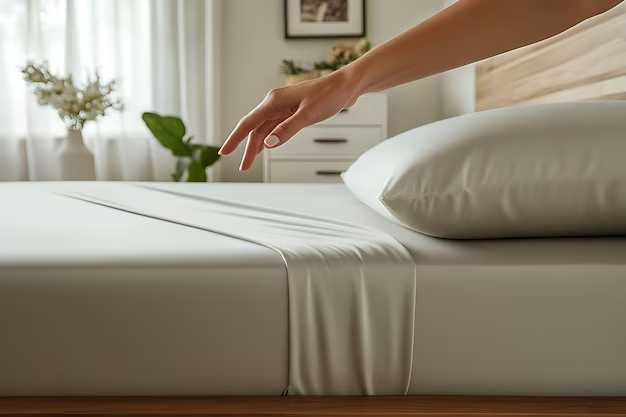
A mattress protector is a thin, removable layer that covers your mattress to help shield it from spills, sweat, dust, and everyday wear.
It’s not the same as a bedsheet or a mattress topper:
- Bedsheet: For comfort and skin contact
- Mattress topper: To change how your bed feels (softer, firmer, etc.)
- Mattress protector: To help keep the mattress cleaner and in better condition
Most mattress protectors are designed to fit like a fitted sheet or zip around the mattress like an encasement.
Why Use a Mattress Protector?
Understanding what is mattress protector is easier when you know its main purposes. In general, a protector is used to:
- Guard against spills and stains from drinks, sweat, or accidents
- Reduce buildup of dust and debris inside the mattress
- Help keep the mattress surface feeling fresher between cleanings
- Make cleaning easier since you can remove and machine-wash the protector
Mattresses themselves are hard to clean deeply, so adding a removable layer can make basic care more manageable.
Common Types of Mattress Protectors
How do mattress protectors attach to the bed?
The most common styles are:
- Fitted sheet style: Elastic edges that hug the corners, similar to a standard fitted sheet
- Elastic strap style: Straps at the corners that hold a flat protector in place
- Full encasement: A zippered cover that surrounds the mattress on all sides
Fitted and encasement styles are the most frequently used for everyday sleep.
Are all mattress protectors waterproof?
Not all mattress protectors are waterproof. Some are:
- Water-resistant: May help repel small spills but can eventually soak through
- Waterproof: Include a thin barrier layer designed to block liquid from reaching the mattress
- Non-waterproof fabric only: Offer some protection against wear and dust but not against liquids
Waterproof designs often use a laminated or coated backing under a soft fabric surface.
Will a Mattress Protector Change How My Bed Feels?
Many people wonder if a protector will make their bed hot, noisy, or less comfortable.
- Feel: Thin protectors are usually designed to be low-profile so they don’t drastically change firmness or contouring.
- Noise: Some waterproof protectors may have a slight rustle, especially if the barrier layer is thicker. Newer designs often aim to be quieter.
- Temperature: Breathable fabrics and ventilated barrier layers are used to reduce heat buildup, but any extra layer can slightly affect airflow.
If you are very sensitive to texture or temperature, looking for soft, quiet, and breathable materials can help maintain the feel of your mattress.
How Do You Care for a Mattress Protector?
Is a mattress protector washable?
Most mattress protectors are machine-washable, which is one of their main benefits. Care instructions usually suggest:
- Washing on a gentle or normal cycle
- Using mild detergent
- Avoiding bleach or high heat if there is a waterproof layer
- Drying on low heat or air-drying when possible
Regular washing helps keep the sleep surface feeling clean and comfortable.
How Do I Choose the Right Mattress Protector?
When deciding what kind of protector fits your needs, consider:
1. Size and fit
- Match your mattress size and depth (thickness).
- Check the pocket depth on fitted protectors to ensure they stay in place.
2. Protection level
- Everyday use: Light, breathable protector may be enough.
- Higher risk of spills or accidents: A waterproof or encasement style may give more coverage.
3. Fabric and comfort
- Soft, smooth fabrics can feel more comfortable under a sheet.
- Some materials may feel cooler or warmer depending on your preferences.
4. Ease of care
- Simple, machine-washable designs are usually easiest for regular use.
Does Everyone Need a Mattress Protector?
A mattress can technically be used without a protector, but many sleepers choose one as a basic care step. People often decide to use a protector if they:
- Want to keep a new mattress looking and feeling fresh longer
- Share the bed with children or pets
- Prefer an extra washable layer between the sheet and mattress
- Want to reduce the chance of permanent stains
It’s ultimately a personal choice based on how you use your bed and how much effort you want to put into keeping it clean.
✅ Quick Mattress Takeaways
Key points consumers should understand about What Is Mattress Protector:
- What it is: A thin, removable cover that sits between your sheet and mattress to help protect against spills, dust, and wear.
- What it’s not: It does not replace sheets or toppers and is not mainly for changing firmness or comfort.
- Main benefits:
- Adds a washable barrier over a hard-to-clean mattress
- Helps reduce staining and surface buildup
- Can support a fresher sleep surface over time
- Common types: Fitted sheet style, elastic strap style, and full encasement covers.
- Waterproof vs. not: Some protectors block liquids, while others mainly protect from dust and friction.
- Care: Usually machine-washable; follow label instructions, especially for waterproof layers.
- Comfort considerations: Thin, breathable protectors are designed to be low-profile so the mattress’s feel still comes through.
Understanding what is mattress protector helps you decide whether this simple layer fits into how you care for your mattress and maintain a comfortable sleep environment.