What Is Inside a Tempurpedic Mattress? Layers, Materials, and What They Do
If you’re asking “What Is Inside a Tempurpedic Mattress”, you’re likely trying to understand what makes this type of mattress feel different from a traditional innerspring bed. This FAQ-style guide walks through the typical layers, how they work together, and what that means for everyday use and care.
What Is Inside a Tempurpedic Mattress in Simple Terms?
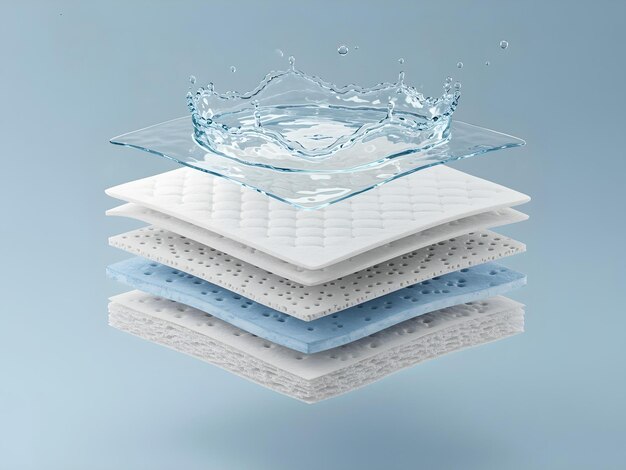
Mattresses in this style are usually built from multiple layers of specialized foam rather than metal springs. While exact constructions vary by model, a typical layout looks like this:
- A soft, breathable cover
- One or more layers of proprietary memory foam
- Transition foam to balance comfort and support
- A dense foam support core at the base
Each layer has a specific job: comfort on top, pressure distribution in the middle, and support at the bottom.
What Is the Top Layer Made Of?
The outer fabric cover
The topmost part you see and touch is the mattress cover. It’s typically:
- Made from a knit or stretch fabric that moves with the foam
- Designed to feel smooth, soft, and breathable
- Sometimes made to be removable for spot cleaning or surface care (always check your care tag)
This cover doesn’t provide the main support, but it affects first impression, temperature feel, and ease of cleaning.
Comfort foam right under the cover
Directly beneath the cover you’ll usually find:
- Specialized memory foam designed to respond to body weight and warmth
- A surface that slowly adapts to your shape when you lie down
- A material that tends to reduce bounce and motion transfer
This is the layer most people associate with the “cradling” feel of this type of mattress.
What Are the Deeper Foam Layers For?
Transition foam: Bridging comfort and support
Under the top comfort layer, there’s often a transition layer of foam. Its roles typically include:
- Easing pressure from the softer top down into the firmer base
- Helping prevent the feeling of “bottoming out”
- Adding a bit of responsiveness so the bed doesn’t feel too sinking
This layer supports the comfort foam and helps the mattress feel balanced rather than overly soft.
Support core: The foundation of the mattress
At the bottom is the support core, made from high-density foam. It:
- Provides the overall structure of the mattress
- Helps maintain the shape and durability over time
- Supports the weight of both the sleeper and the upper foam layers
Without this dense base, the mattress would not feel stable or supportive.
Is There Anything Else Inside Besides Foam?
While designs differ, many foam mattresses in this category may also include:
- Zoned or sculpted foam: Sections with different firmness levels for areas like shoulders or hips
- Adhesives: To hold layers together securely
- Fire-retardant barriers: Materials that help the mattress meet safety standards, usually placed beneath the fabric cover
These elements are typically hidden from view but are part of the mattress’ internal build for safety and performance.
How Does What’s Inside Affect Daily Use and Care?
Understanding what is inside a Tempurpedic mattress helps with realistic expectations and basic care.
Weight and moving the mattress
Dense foam layers mean:
- The mattress can be heavier than many traditional innerspring models
- It may be more awkward to move, bend, or lift on your own
When rotating or repositioning, use two people if possible and avoid sharply folding the mattress, which can stress the foam.
Rotation and flipping
Because the construction is usually one-sided (soft comfort layers on top, firm core on the bottom):
- Do not flip the mattress unless the manufacturer specifically allows it
- Rotation (head-to-foot) may be suggested occasionally to encourage more even wear
Always follow the care label or owner’s guide for exact recommendations.
Cleaning and protecting the foam
Foam layers are sensitive to excess moisture and harsh chemicals. For care:
- Use a protective mattress cover or protector to guard against spills
- Spot clean the outer fabric lightly and carefully as directed on the tag
- Avoid soaking the mattress or using steam, which can affect internal foam and adhesives
Proper care of the outer layers helps protect the integrity of the foam inside.
Does What’s Inside Affect How It Feels Over Time?
Foam-based mattresses generally:
- Start with a distinct contouring feel that many sleepers notice immediately
- May experience softening in high-use areas over time
- Can show body impressions, especially if used by the same person in the same sleeping position
Using the mattress on a solid, supportive foundation and rotating it as recommended helps support the internal layers and may keep the feel more consistent.
✅ Quick Mattress Takeaways
Key points consumers should understand about What Is Inside a Tempurpedic Mattress
- Layered construction: Typically includes a soft cover, contouring memory foam, transition foam, and a dense foam support core.
- Top comfort foam: Provides the familiar slow-responding, body-conforming feel.
- Support core: High-density foam at the bottom gives the mattress its structure and firmness.
- Additional elements: May include zoned foam, adhesives, and a hidden fire-retardant barrier for safety and performance.
- Not flippable: Most designs are one-sided, meant to be used with the comfort layers on top only; rotation may be recommended instead.
- Care matters: A protector, gentle spot cleaning, and a proper base help maintain the foam layers inside.
- Weight and handling: Dense foam makes the mattress relatively heavy and less flexible, so take care when moving or rotating it.
Understanding what is inside a Tempurpedic mattress gives you a clearer picture of why it feels the way it does, how to look after it, and what to expect over years of regular use. This knowledge can make setup, care, and everyday sleeping more straightforward and predictable.