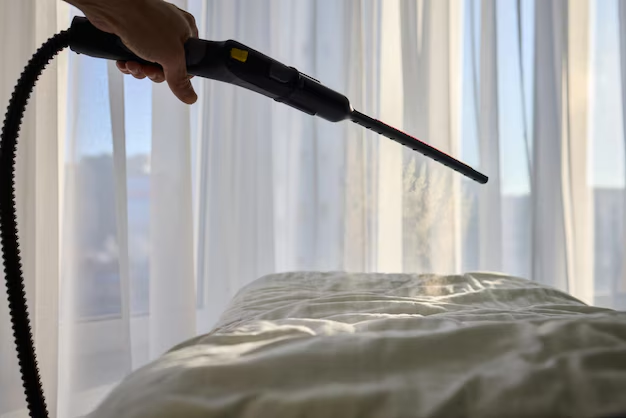
What Can I Spray On My Mattress For Dust Mites? Practical Options and Safe Use
If you’re wondering “What Can I Spray On My Mattress For Dust Mites”, you’re likely noticing more sneezing, stuffiness, or just want a cleaner sleep surface. This FAQ-style guide explains what you can safely spray, what to avoid, and how to use sprays as part of a broader mattress-care routine.
What Can I Spray On My Mattress For Dust Mites?
There’s no single “magic spray,” but several types of sprays are commonly used to help reduce dust mites on a mattress:
- Mild homemade sprays (such as diluted essential oils, used cautiously)
- Gentle disinfecting sprays suitable for fabrics
- Water-and-vinegar mixtures for surface freshening
- Specialized dust mite or fabric sprays (non-branded, fragrance-free options are often preferred)
In general, you want something that is:
- Safe for fabrics
- Lightly applied, not soaking the mattress
- Used together with vacuuming, airing out, and protective covers
Are Homemade Sprays Safe for Dust Mites on a Mattress?
Can I use essential oils?
Some people use diluted essential oil sprays on mattresses, such as tea tree, eucalyptus, or lavender, because these are often associated with freshening fabrics.
If you choose to try this:
- Always dilute heavily with water (a few drops in a spray bottle of water)
- Spot-test on a small, hidden area first to avoid staining
- Do not oversaturate; a light mist is enough
- Allow the mattress to dry completely before making the bed
Important: Essential oils can be irritating or strong-smelling for some people and may not be suitable for homes with small children or sensitive individuals. Their effect on dust mites in real-life bedroom use is limited and should not be relied on alone.
What about vinegar and water?
A diluted white vinegar spray (roughly equal parts water and vinegar) is sometimes used to neutralize odors and freshen surfaces. For dust mites, it may help create a less welcoming surface when used alongside other cleaning steps.
Use it like this:
- Light mist, not soaking
- Good ventilation in the room
- Drying time before replacing bedding
Vinegar has a strong smell at first but usually fades as it dries.
Can I Use Standard Disinfectant or Fabric Sprays?
Many households have general disinfectant or fabric-refreshing sprays. Some of these are labeled as safe for soft surfaces like mattresses.
When considering them for dust mites:
- Check that the label mentions fabric or soft surfaces
- Apply lightly and avoid any that leave a sticky or soapy residue
- Let the mattress air out and dry fully
These sprays may help freshen the surface and can be part of a regular cleaning routine, but they are not a guarantee for removing all dust mites.
Do Dedicated Dust Mite Sprays Work?
There are non-branded dust mite or allergy-control sprays designed for use on:
- Mattresses
- Pillows
- Upholstered furniture
They typically aim to reduce dust mites or their allergens on contact. When choosing one, people commonly look for:
- Clear fabric-use instructions
- Fragrance-free or low-fragrance formulas
- Directions that emphasize vacuuming and regular re-application
As with any spray, they work best as part of a wider dust-mite management plan, not as the only step.
Are There Sprays I Should Avoid on My Mattress?
Yes. Some substances can damage your mattress or be unpleasant to sleep on:
- Bleach or harsh cleaners: Can discolor and weaken fabric, and leave strong fumes.
- Heavy detergent solutions: Can soak into upholstery layers and be hard to rinse.
- Aerosols not meant for fabrics: May leave residues or odors that linger.
Whenever you’re unsure, it’s safer to avoid harsh chemicals and stick to light, fabric-safe sprays.
Besides Sprays, What Else Helps With Dust Mites in a Mattress?
Even when you’ve answered “What Can I Spray On My Mattress For Dust Mites”, sprays are only one piece of the puzzle. Common supportive steps include:
- Regular vacuuming of the mattress surface with an upholstery attachment
- Mattress protectors that fully encase the mattress
- Washing bedding in warm or hot water, according to care labels
- Allowing the mattress to air out by pulling back covers during the day
- Keeping humidity moderate, as dust mites tend to do better in damp environments
Sprays usually have the best effect when combined with these habits.
✅ Quick Mattress Takeaways
Key points consumers should understand about “What Can I Spray On My Mattress For Dust Mites”
- Use only fabric-safe sprays and always apply a light mist, never soak your mattress.
- Homemade sprays (diluted essential oils or vinegar and water) may help freshen surfaces, but effects on dust mites are limited and should be combined with other cleaning methods.
- General disinfectant or fabric sprays can be used if the label states they’re safe for soft surfaces and you allow full drying time.
- Dedicated dust mite sprays are designed for mattresses and can be useful when used according to instructions and alongside vacuuming and protective covers.
- Avoid harsh chemicals like bleach or strong detergents directly on mattress fabric to prevent damage and lingering odors.
- Sprays work best as part of a broader mattress care routine that includes vacuuming, washable bedding, and mattress protectors.
By choosing a gentle, fabric-safe spray and pairing it with regular cleaning habits, you can keep your mattress feeling fresher and help manage dust mites over time.