What Are Nectar Mattresses Made Of? Layers, Materials, and Care Basics
If you’re searching for “What Are Nectar Mattresses Made Of”, you’re likely trying to understand what’s inside the bed you sleep on every night: the foams, covers, and support layers, and what they mean for comfort and care. This guide walks through the typical materials used in this style of mattress and how they affect everyday use.
What Are Nectar Mattresses Made Of? A Simple Breakdown
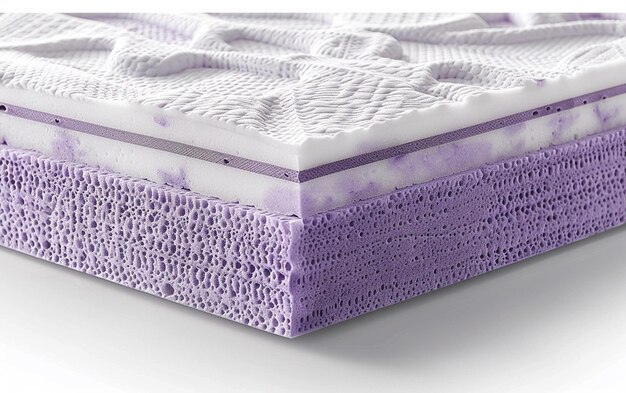
Mattresses in this category are generally all-foam or foam‑hybrid beds built in layers. While exact specifications can change over time or between models, they typically include:
- A soft fabric cover
- One or more layers of memory foam
- A transition foam layer
- A support core made from denser foam (and in some models, coils)
The goal of these layers working together is to create a surface that feels contouring on top with firmer support underneath.
What Is the Top Cover Made From?
The outermost layer you touch is the mattress cover. Designs vary, but it is often made from:
- Polyester or polyester blends for durability and stretch
- Sometimes a quilted layer with foam or fiber fill for a slightly cushioned surface
The cover is usually:
- Soft and breathable to the touch
- Designed to help with airflow around the surface
- Not intended to be frequently removed, unless specifically stated as removable
For long-term use, most people also add a separate mattress protector or fitted sheet over the cover to help keep it clean.
What Types of Foam Are Inside?
Comfort Layer: Memory Foam
The upper foam layer is commonly memory foam, known for its slow response and contouring feel. This layer is typically designed to:
- Conform to your body’s shape
- Reduce surface-level pressure on areas like shoulders and hips
- Offer a “hugged” sensation that many sleepers find comfortable
Some versions of memory foam used in these mattresses may include gel or other additives intended to help with temperature regulation, though the effect can vary by sleeper and room conditions.
Transition Layer: Softer Support Foam
Beneath the memory foam, there is usually a transition foam layer. This material is:
- Slightly firmer than the top layer
- Meant to ease the shift from the soft top foam to the firmer base
- Designed to discourage sinking too deeply into the bed
This layer helps provide a more balanced feel, particularly for people who move around in their sleep.
Support Core: High-Density Foam (and Sometimes Coils)
At the bottom is a high-density foam core, which acts as the main support system:
- Thicker and firmer than upper layers
- Helps the mattress keep its shape over time
- Provides the overall structure for the bed
Some models also include pocketed metal coils beneath or alongside foam. These coils are typically:
- Individually wrapped for more targeted response
- Paired with foam to combine contouring and bounce
Are These Materials Considered “Safe”?
Foam mattresses commonly used today are typically made from polyurethane-based foams, including memory foam. These are widely used materials in the bedding industry.
Many manufacturers have their foams tested by independent, third-party organizations for aspects like emissions and certain chemical content. If you’re concerned about indoor air quality or chemical exposure, look for:
- Certifications listed in the product details
- Low-odor or low-emission descriptions
- Clear information on materials used
Let the mattress air out in a well-ventilated room when you first unwrap it; a mild “new mattress smell” is common with foam products and usually fades over time.
How Do the Materials Affect Mattress Use and Care?
Heat and Breathability
Memory foam and dense support foams can retain some warmth, especially for people who already sleep hot. Airflow features, gel additives, and breathable covers are often used to address this, with mixed results depending on your room temperature, bedding, and body heat.
To help manage warmth:
- Use lightweight, breathable sheets
- Avoid stacking too many heavy blankets
- Consider room temperature and airflow
Durability and Sagging
High-density foam cores are chosen to support the weight of the sleeper and resist deep impressions. Over years of use, any foam mattress can develop some softening. Rotating the mattress (if allowed by the manufacturer) and using a solid, supportive base may help promote more even wear.
How Should You Care for a Mattress With These Materials?
To get the most out of a mattress made from memory foam and support foam:
- Use a breathable mattress protector to shield against spills and sweat
- Spot-clean only with mild soap and water if stains occur on the cover
- Keep the mattress on a stable, compatible foundation or platform
- Avoid exposing foam to excessive moisture or harsh cleaning products
Always follow any care instructions that come with the product, as some covers may have special washing or handling guidance.
✅ Quick Mattress Takeaways
Key points consumers should understand about “What Are Nectar Mattresses Made Of”
- These mattresses are typically layered foam designs, sometimes combined with coils in hybrid versions.
- The top cover is usually a soft, breathable fabric, sometimes quilted with additional padding.
- The comfort layer is commonly memory foam, chosen for its contouring, body-hugging feel.
- A transition foam layer adds gentle support and helps prevent excessive sinking.
- The support core is built from high-density foam (and occasionally coils) to give the mattress structure and firmness.
- Materials are generally in line with common industry foams and fabrics, often tested by third-party organizations.
- Proper ventilation, protection, and support can help maintain comfort and extend usable life.
Understanding what Nectar mattresses are made of helps you better predict how they might feel, what kind of care they need, and whether this style of layered foam construction aligns with your sleeping preferences and home environment.