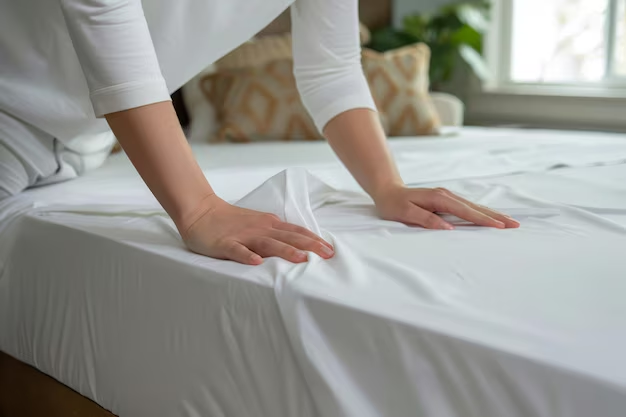
Should You Use a Mattress Protector? What to Know Before You Decide
If you’re wondering “Should You Use a Mattress Protector?”, you’re not alone. Many people aren’t sure whether it’s truly necessary or just an optional extra. This guide explains what a mattress protector does, when it’s most useful, and how to decide if it’s right for your bed.
What Is a Mattress Protector, Exactly?
A mattress protector is a thin, removable layer that fits over your mattress, usually like a fitted sheet or encasement. Its main role is to shield the mattress from spills, stains, moisture, and everyday wear.
Unlike a mattress topper (which is meant to change the feel or firmness of a bed), a protector is focused on protection rather than comfort. Some are barely noticeable under your sheets, while others add a slight layer of softness or texture.
Should You Use a Mattress Protector in Most Cases?
For most people, the answer to “Should You Use a Mattress Protector?” is yes, it’s usually a good idea.
A mattress is a long-term purchase that’s difficult to clean deeply. A protector acts as a first line of defense between the mattress and everything that can reach it: sweat, skin oils, crumbs, pet hair, and accidental spills.
Key reasons many sleepers choose to use one include:
- Keeping the mattress cleaner for longer
- Helping prevent permanent stains
- Reducing exposure to dust and debris inside the mattress
- Adding a removable, washable layer for easier care
Even if you are very careful, a protector can be valuable simply because mattresses are not machine-washable, but protectors are.
Will a Mattress Protector Change How the Bed Feels?
One concern people have when asking “Should You Use a Mattress Protector?” is whether it will affect comfort.
- Thin, smooth protectors are designed to be barely noticeable.
- Quilted or padded protectors can add a slight plush layer.
- Waterproof protectors sometimes feel different or make slight noise, but many modern versions aim to be quiet and breathable.
If you’re sensitive to changes in feel, look for lightweight, non-quilted protectors. Placing a fitted sheet over the protector also helps create a more natural, familiar sleep surface.
Do You Always Need a Waterproof Protector?
Not everyone needs a fully waterproof model, but there are situations where it can be especially helpful.
Waterproof protection is often worth considering if:
- You frequently drink or eat in bed
- You share your bed with children or pets
- You live in a humid climate and want more moisture protection
- You’re concerned about long-term sweat or spills soaking into the mattress
Non-waterproof or water-resistant protectors can still help with everyday dust, dander, and light moisture, but may not stop larger spills from reaching the mattress.
What Should You Look for in a Mattress Protector?
When deciding whether and how to use a mattress protector, consider these features:
Fit:
Make sure the protector matches your mattress size and depth so it doesn’t pop off or bunch.Material:
Common options include cotton, polyester, and blends. Some are designed to feel cooler or more breathable than others.Breathability:
Look for a design that allows air to flow so the mattress doesn’t feel overly warm.Ease of care:
A protector that can be machine washed and dried on normal settings is usually easiest to maintain.Noise level:
If you’re a light sleeper, check that any waterproof layer is described as quiet or low-noise.
How Often Should You Wash a Mattress Protector?
Most people wash their mattress protector on a regular schedule, similar to or slightly less often than sheets. Many choose to wash it:
- Every few weeks in typical use
- Sooner after any spills or accidents
- More often if you have allergies or pets on the bed
Always follow the care instructions to avoid shrinking or damaging any waterproof backing.
Is a Mattress Protector Necessary for Every Sleeper?
A protector is usually helpful, but there are a few situations where someone might choose not to use one:
- They prefer to sleep directly on natural mattress fabrics
- They are extremely sensitive to any extra layer
- The mattress is older and less of a concern to protect
Even in these cases, some people still keep a protector on hand for guests, travel, or temporary use when extra protection is needed.
✅ Quick Mattress Takeaways
Key points consumers should understand about “Should You Use a Mattress Protector”
- Most sleepers benefit from using a mattress protector to keep their mattress cleaner and better protected.
- A protector focuses on defense against spills, stains, and everyday wear, not changing firmness.
- Waterproof options are especially helpful for families, pet owners, and anyone who eats or drinks in bed.
- Look for good fit, breathable materials, low noise, and easy washing.
- If you worry about comfort, choose a thin, smooth protector that is designed to be barely noticeable under your sheets.
- Even if you don’t use one every day, having a protector available can be useful for certain situations.
When you ask “Should You Use a Mattress Protector?”, consider how you use your bed, who sleeps in it, and how important long-term cleanliness and convenience are to you. For many people, a simple, well-fitting protector is a practical way to help their mattress stay fresher and last longer.