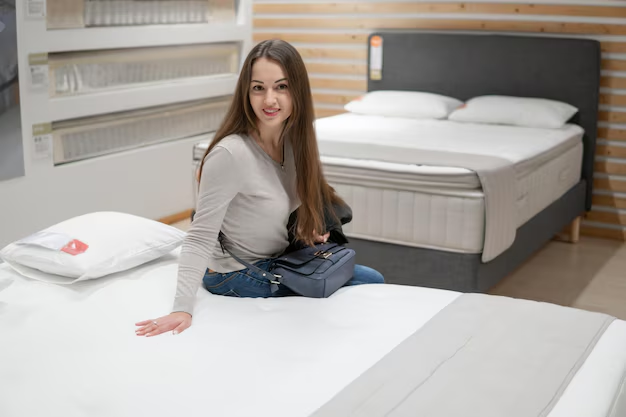
Is Purple a Good Mattress? What to Know Before You Sleep on It
If you’re searching “Is Purple a Good Mattress”, you’re likely wondering whether its unusual grid design actually works in everyday use, how it holds up over time, and whether it fits your sleep style. This FAQ walks through what people most often want to know so you can decide if this type of mattress suits your needs and habits.
What Makes the Purple Mattress Different?
Purple mattresses are best known for a flexible grid-like comfort layer made from a stretchy, rubbery material instead of traditional foam-only or coil-only designs.
Key characteristics of this grid layer:
- It feels bouncy and responsive, not slow and sinking.
- The grid has open channels that allow air to move more freely.
- It tends to compress more under heavier areas (like hips and shoulders) and stay more supportive under lighter areas.
For many sleepers, this creates a mix of pressure relief and support that feels distinct from standard foam beds.
So, Is Purple a Good Mattress for Most Sleepers?
Whether Purple is a good mattress depends largely on your body type, sleep position, and feel preferences.
People often find it a good fit if they:
- Prefer a medium, slightly bouncy feel rather than deep hugging.
- Sleep hot on traditional foam and want more airflow.
- Want a bed that stays relatively flat and stable without too much sink.
However, those who love an extra-plush, slow-melting foam sensation sometimes find the grid too springy or “floating” in feel. Others may need time to adjust because it doesn’t feel like a conventional mattress.
How Does Purple Perform for Different Sleep Positions?
Is Purple Good for Side Sleepers?
Side sleepers usually care a lot about pressure relief at the shoulders and hips. The grid material tends to compress more in those areas, which can:
- Reduce sharp pressure points
- Help keep the spine closer to neutral alignment for some body types
However, if you are very light and strictly side-sleeping, you may feel the surface is firmer than expected, especially on thinner models.
Is Purple Good for Back Sleepers?
Back sleepers usually want even support across the lower back. Many back sleepers:
- Appreciate the grid’s ability to support the lumbar area
- Like that they don’t sink too deeply, which can make changing positions easier
If you strongly prefer a very firm, rigid feel, the grid’s flexible “give” might feel unusual at first.
Is Purple Good for Stomach Sleepers?
Stomach sleepers typically need enough firmness so their hips don’t sag. Some find Purple mattresses:
- Firm and supportive enough to keep the midsection from dipping too much
- Easier to move around on than slow-responding materials
Heavier stomach sleepers may still prefer thicker or firmer constructions to feel fully supported.
How Does Purple Handle Heat, Motion, and Durability?
Does Purple Sleep Hot?
Many people who ask “Is Purple a Good Mattress” are worried about sleeping hot. The grid’s open structure is designed to:
- Allow more air movement around the body
- Reduce that “stuck in a warm crater” feeling some get on solid foam
While no mattress can guarantee a specific temperature experience, the design generally leans cooler than dense, solid foam surfaces.
Is Purple Good at Isolating Motion?
The grid is somewhat bouncy, but it’s usually paired with foam layers that help absorb movement. Couples commonly notice:
- Less motion transfer than a very springy, traditional innerspring
- A bit more responsiveness than the slowest, thickest foam beds
If one partner is extremely sensitive to movement, they may still notice some bounce, but it’s often moderate, not extreme.
How Long Does Purple Typically Last?
As with any mattress, longevity depends on use, weight, and care. The grid material is designed to be:
- Stretchy without tearing under normal use
- Resistant to the permanent body impressions that can form in some foams
Using a proper, supportive base, rotating according to manufacturer guidance, and keeping it clean all contribute to how long it feels comfortable and supportive.
Is Purple Easy to Care For?
Within the broader category of mattress use & care, Purple mattresses generally follow standard care practices:
- Use a breathable mattress protector to guard against spills and stains.
- Follow guidelines on spot-cleaning only; most covers are not meant for machine washing while attached.
- Make sure your foundation or frame provides enough slats or surface support to avoid sagging.
- Avoid jumping or concentrated stress on the grid to help maintain its structure.
Good care can help preserve the consistency of the grid and the comfort layers underneath.
What Are the Main Pros and Cons?
✅ Quick Mattress Takeaways
Key points consumers should understand about “Is Purple a Good Mattress”
- Distinct feel: Not like classic foam or springs; many love it, some don’t.
- Pressure relief: Often works well for side and back sleepers who need cushioning at joints.
- Support: Provides even, responsive support, especially under heavier areas.
- Temperature: Grid design can help reduce heat buildup compared with solid foam.
- Motion: Generally moderate motion isolation with some natural bounce.
- Learning curve: The unique surface can take a few nights to adjust to.
- Fit matters: Body weight, sleep position, and feel preference strongly influence whether it’s “good” for you.
- Care: Standard mattress care and a supportive base help maintain comfort over time.
How Can You Decide If Purple Is a Good Mattress for You?
When you’re asking “Is Purple a Good Mattress”, you’re really asking if its unusual grid design lines up with your personal sleep needs. It’s often a strong option for sleepers who:
- Want pressure relief without deep sink
- Prefer a cooler-feeling, more breathable surface
- Are open to a non-traditional, responsive feel
Those who expect a very conventional foam or coil sensation may find it different at first. Paying attention to your sleep position, body type, and feel preferences, and caring for the mattress properly, will be the best guide to whether this style of mattress is a good long-term match for you.