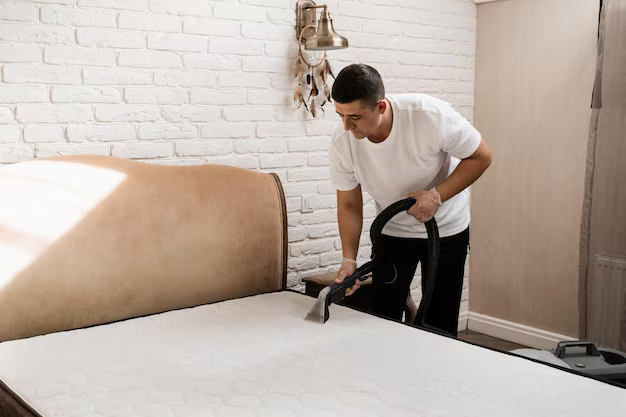
Is Mattress a Furniture? Understanding How Mattresses Are Classified
If you’ve ever filled out a home inventory list, read a warranty, or checked a landlord’s rules, you may have wondered: “Is mattress a furniture?” This question comes up more often than you might expect, especially when people are moving, budgeting, or organizing their home.
Below is a clear, FAQ-style breakdown to help you understand how mattresses are usually classified and why it matters.
Is Mattress a Furniture in Everyday Terms?
In most everyday situations, a mattress is considered part of bedroom furniture, but with a small twist:
- Mattress + Bed Frame = Complete Furniture Piece (a bed)
- The mattress alone is often treated as a separate component of that furniture.
So, when people talk about “bedroom furniture,” they usually mean the full set: bed frame, mattress, nightstands, dresser, and so on. In that context, the mattress is included as part of the furniture ensemble, even if it can be bought and moved separately.
Why Does It Matter Whether a Mattress Is Furniture?
Understanding the answer to “Is mattress a furniture” can help you in a few practical areas:
Insurance and home inventory
Some home or renter’s insurance forms group mattresses under “furniture” or “household goods.” Knowing this can help you list and value it correctly when documenting your belongings.Moving and delivery
Movers often categorize mattresses with large furniture items when planning space in the truck or setting pricing. This may influence how you schedule and organize a move.Landlord or housing rules
Some rental or dorm agreements mention “furniture provided” or “no removal of furniture.” In these cases, a mattress might be clearly listed as furniture, or as a separate item. Understanding the wording can help avoid misunderstandings.Tax, customs, or business classification
In more technical settings (like importing, exporting, or business accounting), mattresses may be placed in their own category, separate from other furniture, even though they’re used together with furniture.
How Do Different Contexts Classify a Mattress?
Household Use
In typical home use, most people treat a mattress as bedroom furniture, because:
- It is a large, permanent-feeling item.
- It stays in one place for a long period.
- It works together with a bed frame that is clearly furniture.
However, because it’s soft, flexible, and frequently sold on its own, consumers also see it as a standalone sleep product rather than a classic “piece of furniture” like a table or chair.
Retail and Shopping
In stores and online, mattresses may be:
- Sold in the “bedroom furniture” section, or
- Listed in a dedicated “mattresses” category.
Retailers often separate them simply for convenience. The goal is to make it easier for you to shop, not to make a strict rule about classification.
Legal or Technical Definitions
In more formal classifications (such as industry codes or trade categories), mattresses are often separated from standard furniture items. They may fall into a category like “bedding and mattresses” rather than “furniture” alone.
This technical distinction helps businesses with record-keeping and regulations, but for everyday home use, people still commonly group mattresses with furniture.
Common Questions About Mattresses and Furniture
Is a mattress considered furniture when renting or selling a home?
Often, yes, it is treated like furniture if it is included with the property. Listings might say “furnished bedroom,” and that usually implies a bed with a mattress unless stated otherwise. However, the exact meaning can vary, so written descriptions or inventories are important.
Does a mattress count as furniture for home staging or design?
In interior design and staging, a mattress is essential to completing the look of a bed. Designers typically treat it as part of the furniture arrangement, even though it remains a separate object covered by bedding.
For cleaning and care, does it matter if I see my mattress as furniture?
Thinking of your mattress as furniture can be useful because it reminds you to:
- Rotate or flip it if recommended by the manufacturer
- Protect it with a mattress protector or cover
- Support it properly with a suitable base or frame
These habits are more about longevity and comfort than strict classification, but seeing the mattress as a key furniture-like investment often encourages better care.
What Should I Consider When Treating a Mattress as Furniture?
When you think of your mattress as part of your furniture set, it becomes easier to:
- Plan bedroom layouts – Consider height, size, and look of the full bed (frame + mattress).
- Match styles – Coordinate the mattress thickness with your headboard, footboard, or platform for a balanced visual appearance.
- Protect floors and walls – Handle and place the mattress carefully, just as you would a large piece of furniture.
✅ Quick Mattress Takeaways
Key points consumers should understand about “Is Mattress a Furniture”
- In everyday life, a mattress is usually treated as part of bedroom furniture, especially when combined with a bed frame.
- Technically, mattresses can be classified separately from other furniture in legal or business contexts.
- For insurance, rental, or sale listings, a mattress may be grouped under “furniture” or listed as its own item—reading the details helps.
- Designers and movers handle mattresses like large furniture pieces, even if stores give them their own category.
- Thinking of your mattress as a major furniture-like item can encourage better long-term care, support, and protection.
When you ask “Is mattress a furniture?”, the practical answer is: yes, in most home and everyday situations, it functions as part of your bedroom furniture, even though some technical systems place it in its own category. Understanding this flexible classification helps you navigate insurance, housing, moving, and general mattress care with more confidence.