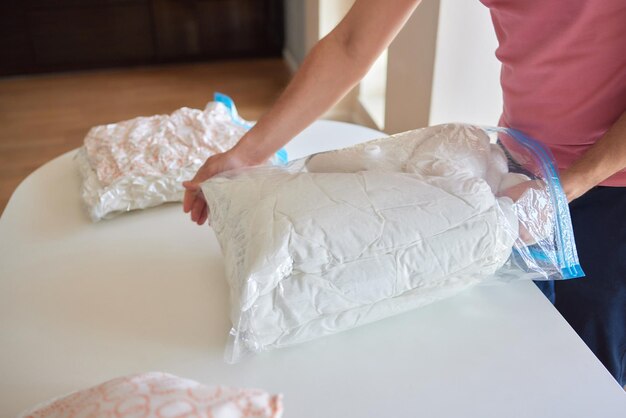
How To Wrap a Mattress: Step‑by‑Step Guide for Moving and Storage
If you’re searching for “How To Wrap a Mattress”, you’re usually preparing for a move, storing a mattress, or protecting it during a home project. Wrapping it correctly helps keep it clean, dry, and structurally supported so it lasts longer and feels better when you sleep on it again.
This FAQ-style guide walks through what to use, how to do it, and common mistakes to avoid when wrapping any standard mattress.
Why Wrap a Mattress in the First Place?
What does “wrapping a mattress” mean?
Wrapping a mattress means covering it in a protective layer, usually a plastic mattress bag or heavy-duty plastic sheeting, sometimes with added padding (like blankets or cardboard) to shield it from dirt, moisture, and damage while it’s moved or stored.
Why does it matter?
- Keeps it clean from dust, pet hair, and stains
- Protects from moisture that can lead to odors or material breakdown
- Prevents tears and scuffs from door frames, truck walls, and floors
- Makes handling easier, especially with handles or straps over the wrap
For long-term storage or cross-country moves, learning How To Wrap a Mattress properly can help preserve its comfort and appearance.
What Supplies Do I Need To Wrap a Mattress?
You don’t need complicated tools, but the right materials make a big difference.
Basic supplies:
- A mattress bag in the correct size (twin, full, queen, king, etc.)
- Packing tape or duct tape
- Scissors or a utility knife (used carefully, away from the mattress)
Optional protection:
- Moving blankets or old blankets
- Cardboard sheets (especially for corners and edges)
- Straps or rope to help carry or secure the wrapped mattress
For most people, a thick mattress bag plus tape is enough for everyday moves.
How To Wrap a Mattress: Simple Step‑by‑Step
1. Clear and Prepare the Area
- Remove all bedding: sheets, protectors, and toppers.
- Make sure the floor is clean and dry where you’ll do the wrapping.
- Stand the mattress upright or lay it flat depending on your space.
👉 Tip: It’s usually easier to slide a bag over a mattress that’s standing on its side, especially in tight rooms.
2. Slide the Mattress Into the Bag
- Open the mattress bag fully and locate the sealed end and the open end.
- If the mattress is upright, tilt it slightly and slide the bag over the top, pulling downward.
- If it’s flat on the floor, position the bag at one end and gently shimmy the mattress in.
Try not to drag the bare mattress on rough surfaces while doing this.
3. Seal the Open End
Once the mattress is fully inside:
- Fold or roll the extra plastic at the open end.
- Use packing tape to seal the opening, pressing the tape firmly so no gaps remain.
- Add extra tape at corners and along seams if the plastic feels thin or loose.
A well-sealed bag helps keep out dust and moisture, especially for storage in basements, garages, or moving trucks.
4. Add Extra Protection (Optional but Helpful)
For long moves or if you know the mattress will be bumped:
- Wrap moving blankets around the wrapped mattress, especially on corners.
- Tape blankets lightly so they don’t slide off (avoid taping directly to mattress fabric).
- Slide cardboard sheets on the sides to protect against scrapes from walls or other furniture.
How Should I Position a Wrapped Mattress for Moving or Storage?
For moving:
- Short drives: Many people move wrapped mattresses on their side in a truck or van.
- Longer moves: Keeping it flat can help reduce stress on the internal structure, especially for soft or thick models.
For storage:
- If possible, store a wrapped mattress flat and fully supported.
- If you must store it on its side, try not to leave it that way for extended periods, as some mattresses may deform over time.
Avoid putting heavy items on top of a wrapped mattress. Extra weight can cause sagging or impressions.
Can I Wrap a Mattress Without a Mattress Bag?
Yes, but a bag is usually easier and more secure.
If you don’t have a mattress bag:
- Use thick plastic sheeting large enough to wrap fully around the mattress.
- Place the mattress on the plastic, fold it tightly over, and tape all seams.
- Double-layer in areas that are more likely to tear, such as corners.
The key idea in How To Wrap a Mattress with plastic only is to fully enclose it and seal it so it doesn’t shift or open during handling.
Common Mistakes to Avoid When Wrapping a Mattress
- Leaving gaps in the plastic or bag, letting dust or moisture in
- Using very thin plastic that tears easily during the move
- Dragging the mattress across rough concrete or dirty floors
- Overtightening straps, which can bend or warp the mattress
- Storing it damp, which can cause persistent odors
Taking a few extra minutes to seal carefully and handle gently can prevent most of these issues.
✅ Quick Mattress Takeaways
Key points consumers should understand about How To Wrap a Mattress
- Use a fitted mattress bag or thick plastic that fully covers the mattress.
- Seal the opening tightly with packing tape to block dust and moisture.
- Add blankets or cardboard for extra protection, especially on corners.
- Handle and position it carefully—avoid bending sharply or loading heavy items on top.
- Store it on a flat surface when possible, particularly for longer periods.
With the right supplies and a few simple steps, learning How To Wrap a Mattress becomes a straightforward way to protect your investment during any move or storage period.