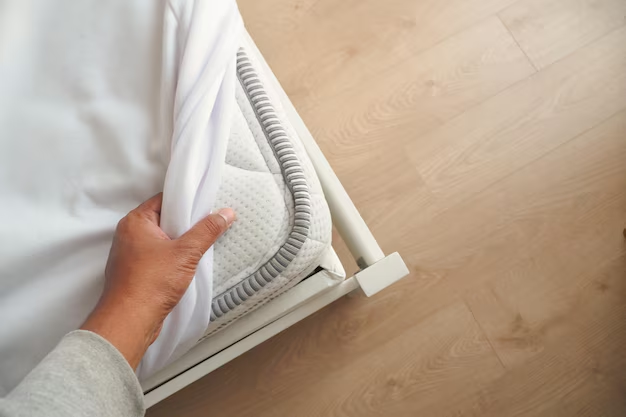
How To Vacuum Pack a Mattress: Steps, Safety, and When It’s Worth It
If you’re wondering how to vacuum pack a mattress for moving, storage, or transport, you’re not alone. Many people see mattresses arrive compressed in a box and assume they can easily do the same at home. It can be done in some cases, but there are important limits, risks, and steps to understand first.
This FAQ-style guide explains when vacuum packing is possible, how to do it safely, and when you should avoid it.
Can Any Mattress Be Vacuum Packed?
Not every mattress is suitable for DIY compression.
Generally easier to vacuum pack:
- All-foam mattresses (memory foam, polyfoam, latex foam)
- Thinner mattresses
- Mattresses without springs or coils
Usually not recommended to vacuum pack:
- Innerspring or hybrid mattresses with coils
- Very thick or extra-heavy mattresses
- Mattresses with fragile edge supports or complex internal structures
Spring and hybrid models are more likely to bend, deform, or damage their coils under strong compression, especially without professional equipment.
If a mattress did not arrive to you vacuum packed originally, it is safer to assume it may not be designed for repeated compression.
How To Vacuum Pack a Mattress: Step-by-Step
If you have a compatible foam mattress and still want to try, here is a basic outline of how to vacuum pack a mattress using commonly available materials.
1. Gather What You Need
You’ll typically need:
- A heavy-duty plastic mattress bag or thick plastic sheeting
- Packing tape or duct tape
- A household vacuum cleaner with a hose attachment
- Straps or rope to keep the mattress rolled (optional but helpful)
Make sure your plastic is tear-resistant and large enough to fully enclose the mattress.
2. Prepare and Clean the Mattress
- Remove all bedding, toppers, and protectors.
- Ensure the mattress is dry and free from visible dust or debris; sealing in moisture can lead to odors over time.
- Place the mattress flat on the floor in an open area.
3. Bag and Seal the Mattress
- Slide or wrap the mattress into the plastic bag.
- Carefully seal all openings with tape, pressing along the edges to create as airtight a seal as possible.
- Leave a small opening big enough to fit your vacuum hose.
4. Attach the Vacuum Hose
- Insert the vacuum hose through the opening.
- Tape around the hose to reduce air leaks, but do not fully tape it shut around the hose in case you need to release it quickly.
Turn on the vacuum and let it slowly remove the air from the bag. The mattress should begin to compress and flatten.
5. Roll (If Needed) and Secure
Once the mattress is mostly compressed:
- If you plan to move it, gently roll it from one end to the other while continuing to vacuum out air, if possible.
- Use straps, rope, or additional tape to hold the roll in place.
- Turn off the vacuum and finish sealing the plastic around the hose opening.
Avoid stepping or jumping on the mattress to “help” it compress. This can cause uneven pressure and internal damage.
Is It Safe To Vacuum Pack a Mattress at Home?
There are real risks to consider.
Possible issues include:
- Permanent damage to internal layers if the mattress is not designed for repeated compression
- Broken or bent coils in innerspring or hybrid models
- Compromised comfort or support once the mattress is opened again
- Tears or punctures in the plastic, which can cause sudden reinflation at an awkward time
Also consider that home vacuums are not as powerful or controlled as commercial mattress-compressing machines. You may not achieve the same level of compression that factory-packed mattresses have.
If the mattress is under warranty, compressing it at home may void that warranty, depending on the terms.
How Long Can a Mattress Stay Vacuum Packed?
Even mattresses that were originally compressed by the manufacturer are typically intended to remain sealed for a limited time before use.
For a DIY-packed mattress:
- Aim to keep it vacuum packed only as long as necessary for moving or storage.
- The longer a foam mattress stays tightly compressed, the more likely its foam is to lose some ability to fully rebound.
For most situations, a few days to a couple of weeks is a more cautious range rather than months in storage.
What Are Alternatives to Vacuum Packing?
If you’re unsure about how to vacuum pack a mattress safely or your mattress type is not ideal, there are simpler options:
- Use a mattress bag alone for basic protection from dust and dirt during moving.
- Use moving straps or a dolly to transport a full-size mattress without compressing it.
- For long-term storage, store the mattress flat, covered, and off the floor in a dry space instead of tightly compressing it.
These methods avoid the structural stress that vacuum packing can create.
✔️ Quick Mattress Takeaways
Key points to understand about how to vacuum pack a mattress
- Not all mattresses should be vacuum packed; all-foam models are usually safer than spring or hybrid designs.
- Use thick, airtight plastic and a hose vacuum if you decide to compress a compatible foam mattress at home.
- Seal the bag carefully, remove as much air as possible, then roll and strap the mattress only if needed for transport.
- Avoid long-term compression; keep the mattress vacuum packed only as long as you reasonably need.
- There is always some risk of damage, especially to support layers and coils, so weigh the benefits against the potential impact on comfort and durability.
With realistic expectations and the right materials, you can better judge whether and how to vacuum pack a mattress for your situation while reducing the chance of unwanted surprises later.