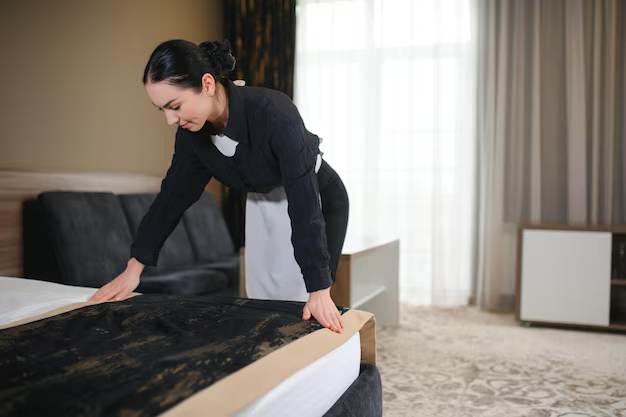
How To Vacuum Mattress: A Simple Guide to Cleaner Sleep
If you’re wondering how to vacuum mattress surfaces safely and effectively, you’re not alone. Many people want to freshen their bed, reduce dust buildup, and keep their mattress feeling comfortable for longer—but aren’t sure where to start or what’s safe.
This FAQ-style guide walks through why and how to vacuum a mattress, how often to do it, and what to avoid so you don’t damage the materials.
Why Should You Vacuum Your Mattress?
Vacuuming a mattress helps remove:
- Surface dust and lint
- Skin flakes and crumbs
- Loose dirt in quilting and seams
Over time, this buildup can make a mattress feel less fresh. Routine vacuuming is a simple step in overall mattress use & care, supporting a cleaner sleep environment.
How To Vacuum Mattress: Step-by-Step
1. Prepare the Mattress
Strip the bed
Remove all sheets, pillowcases, and protectors. Launder them according to their care labels.Check the care tag
Look at your mattress label for any cleaning or care instructions. If it lists specific warnings (for example, avoiding certain tools or methods), follow those first.
2. Choose the Right Vacuum Attachment
Use a vacuum with:
- Upholstery attachment – usually a wide, flat tool designed for fabric
- Soft brush attachment – if the upholstery tool feels too stiff for delicate covers
Avoid attachments with rotating or stiff bristles that may pull at the mattress fabric or stitching.
3. Vacuum the Top Surface
- Start at the head of the bed and work your way down in straight, overlapping lines.
- Move slowly so the vacuum can actually lift dust rather than just glide over it.
- Pay extra attention to:
- Quilted patterns and tufts
- Edges and corners
- Any visible crumbs or lint
4. Focus on Seams and Crevices
The seams and piping around the edges can collect more debris than flat areas.
- Use the crevice tool or the edge of the upholstery attachment.
- Run it along every seam and around the perimeter, moving slowly.
- Gently vacuum any handles or labels, avoiding pulling or tugging.
5. Flip or Rotate (If Recommended)
Not all mattresses are designed to be flipped; some are one-sided.
- If your mattress can be flipped, turn it over and repeat the vacuuming process on the other side.
- If it cannot be flipped, you can still rotate it head-to-foot (if the manufacturer permits) and vacuum any exposed areas.
How Often Should You Vacuum a Mattress?
A simple guideline many people follow:
- Every 1–3 months for routine mattress care
- After spills (once dry) to remove residue
- After visible dust, crumbs, or debris accumulate
The right schedule depends on how you use the bed, whether you use a mattress protector, and your personal preference for freshness.
Can You Vacuum Any Type of Mattress?
Most modern mattresses can be vacuumed safely, but there are a few points to consider:
Foam, Hybrid, and Innerspring Mattresses
- Use gentle suction and a soft attachment.
- Avoid pressing too hard, especially on softer foam layers, to keep the surface from being compressed more than necessary.
Pillow-Top or Quilted Mattresses
- Vacuum lightly over stitched patterns to avoid pulling at threads.
- Use slow, even strokes rather than scrubbing motions.
Mattresses With Special Covers
If your mattress has a removable, washable cover, check whether the manufacturer recommends:
- Removing and washing the cover instead of, or in addition to, vacuuming
- Avoiding certain tools on zippers or delicate knit fabrics
When in doubt, start with light vacuuming and follow any guidance from the mattress tag.
What Should You Avoid When Vacuuming a Mattress?
To keep your mattress in good condition, avoid these common mistakes:
- Using a beater-bar or rotating brush directly on the mattress, as it can be too harsh on fabrics and seams
- Scrubbing in one spot with the tool, which may wear the fabric
- Using wet-cleaning functions (like steam or shampoo) unless your mattress instructions explicitly allow it
- Strong cleaning chemicals directly on the mattress surface without manufacturer approval
Stick to dry vacuuming only, unless you have clear, model-specific cleaning instructions.
Should You Vacuum Before or After Treating Stains?
For basic mattress care, vacuuming alone is often enough. If you do have stains:
- Vacuum first to remove loose debris.
- Spot-clean only with lightly dampened cloths or approved cleaners, following mattress care guidelines.
- Let the mattress dry completely before making the bed again.
Vacuuming is not a stain remover; it’s one part of an overall cleaning routine.
✅ Quick Mattress Takeaways
Key points to understand about How To Vacuum Mattress:
- Vacuuming is a safe, basic care step for most mattresses when done gently.
- Use upholstery or soft-brush attachments and avoid rotating brushes or harsh tools.
- Vacuum in slow, overlapping passes, focusing on seams, tufts, and edges.
- Check the care label first for any special cleaning instructions or warnings.
- Dry cleaning only: keep water, steam, and strong chemicals off the mattress unless clearly allowed.
- Every 1–3 months is a common routine for many sleepers, with extra attention after spills or visible debris.
A regular, careful vacuuming routine is a straightforward way to support the use and care of your mattress. By understanding how to vacuum mattress surfaces properly—and what to avoid—you help keep your bed cleaner and more comfortable over time.