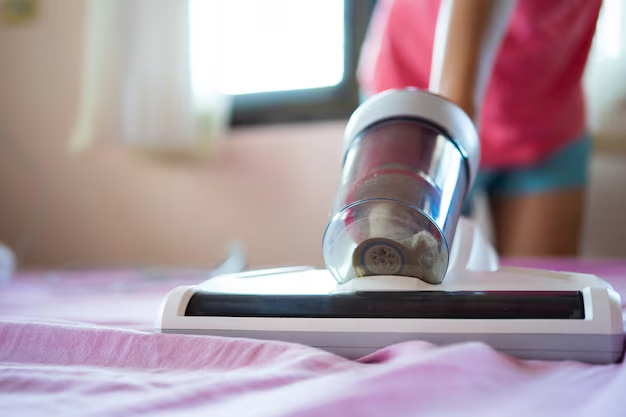
How To Vacuum a Mattress: Step‑by‑Step Guide for Cleaner Sleep
If you’re wondering how to vacuum a mattress properly without damaging it, you’re not alone. Many people are unsure how often to do it, what tools to use, and whether it really makes a difference. This guide walks you through a simple, safe routine and answers the most common questions about mattress vacuuming.
Why Vacuuming Your Mattress Matters
Over time, mattresses can collect dust, skin flakes, crumbs, and general debris. Even with sheets and protectors, some of this buildup reaches the mattress surface.
Learning how to vacuum a mattress helps you:
- Keep the sleeping surface feeling fresher and cleaner
- Remove surface dust and loose dirt
- Maintain the mattress cover and comfort materials in better condition
It’s not a replacement for washing your bedding or using a mattress protector, but it’s a useful part of regular mattress care.
How To Vacuum a Mattress: Step‑By‑Step
1. Prepare the bed
- Strip all bedding – sheets, blankets, pillows, mattress toppers, and protectors.
- Wash what can be washed according to the care labels. Clean bedding supports your vacuuming efforts.
2. Choose the right vacuum attachment
For most mattresses, a regular home vacuum works well if you use the right accessory:
- Upholstery tool: Ideal for general cleaning
- Crevice tool: Helpful for seams, edges, and tufts
- Soft brush attachment: Useful if you’re concerned about delicate fabrics
Avoid using a rotating beater bar directly on the mattress surface, as it can be too aggressive for some covers.
3. Start with a dry surface
Only vacuum a completely dry mattress. If you’ve recently spot‑cleaned or had a spill, wait until it is fully dry before vacuuming. This helps protect both the mattress and the vacuum.
4. Vacuum the top in slow, overlapping passes
Work methodically:
- Begin at one corner and move across the mattress in straight lines
- Use slow, overlapping strokes so the vacuum can pick up as much as possible
- Apply light, even pressure – pressing too hard usually doesn’t improve cleaning and can stress the fabric
5. Pay extra attention to seams and edges
Seams and edges tend to collect more dust and debris.
- Use the crevice tool or a narrow attachment
- Follow the entire perimeter of the mattress
- Gently vacuum around any tufts, buttons, or quilting where dust can settle
6. Flip or rotate if recommended
If your mattress type allows it:
- Rotate the mattress from head to foot and vacuum again
- If it is double‑sided and designed to be flipped, you can flip it and repeat the same process on the other side
Always follow the manufacturer’s care guidance before flipping or rotating.
7. Let the mattress air out
Once vacuuming is complete:
- Leave the mattress uncovered for a short time to air out
- Then remake the bed with a clean mattress protector and fresh bedding
Allowing some air circulation can help your bed feel fresher when you lie down.
How Often Should You Vacuum a Mattress?
There isn’t one exact rule, but many people find this schedule useful:
- Every 3–6 months for general maintenance
- More often if you:
- Eat in bed
- Share your bed with pets
- Notice visible dust, crumbs, or debris
The right frequency depends on your habits, home environment, and personal preferences for cleanliness.
Common Questions About How To Vacuum a Mattress
Can vacuuming damage a mattress?
When done correctly, vacuuming is generally safe for most mattresses. To reduce any risk:
- Use gentle attachments (upholstery or soft brush)
- Avoid high suction directly on delicate stitching
- Don’t use wet/damp cleaning modes unless your mattress instructions specifically allow it
If your mattress has special materials or a unique cover, check any care tag before you start.
Do I need a special vacuum for my mattress?
Many people use a standard home vacuum with an upholstery attachment. A specialized vacuum can be convenient, but it’s not required. What matters most is:
- Clean filters (so suction is effective)
- A suitable attachment for fabric surfaces
- Careful, patient technique
Should I vacuum under the bed too?
Yes, it’s usually helpful. Dust and debris under the bed can eventually make their way onto bedding and surrounding areas. While you’re caring for the mattress, it’s a good time to quickly vacuum the floor under and around the bed frame as well.
Extra Mattress Care Tips to Pair With Vacuuming
To get the most from learning how to vacuum a mattress, combine it with a few simple habits:
- Use a mattress protector to reduce how much reaches the mattress itself
- Rotate the mattress if the manufacturer recommends it
- Clean up spills promptly following the care label instructions
- Wash sheets and pillowcases regularly
These small steps work together to keep your bed feeling cleaner for longer.
✅ Quick Mattress Takeaways
Key points consumers should understand about How To Vacuum a Mattress
- Use the right tools: A standard vacuum with an upholstery or soft brush attachment is usually enough.
- Go slow and steady: Vacuum in slow, overlapping passes across the entire surface.
- Focus on details: Pay extra attention to seams, edges, and tufts, where dust tends to collect.
- Keep it dry: Only vacuum a completely dry mattress to protect both the mattress and the vacuum.
- Repeat regularly: For many households, vacuuming the mattress every 3–6 months works well.
- Combine with other care: A protector, regular sheet washing, and occasional rotation support a cleaner, better‑kept mattress.
By following this simple routine and understanding how to vacuum a mattress correctly, you can add an easy, practical step to your overall mattress use and care.