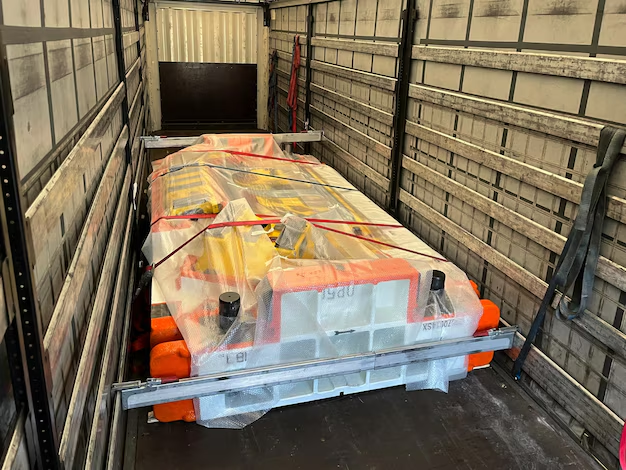
How To Tie Down Mattress In Truck Bed: Safe, Simple Steps That Work
If you’re searching for “How To Tie Down Mattress In Truck Bed,” you’re likely trying to move a mattress without it shifting, flying out, or getting damaged on the road. This guide walks through clear, step‑by‑step methods, common mistakes to avoid, and simple tips to keep both your mattress and your truck safe.
What’s the Best Way to Tie Down a Mattress in a Truck Bed?
The safest way to secure a mattress is to lay it flat in the truck bed, protect it with a cover or tarp, and use ratchet straps or strong rope connected to your truck’s tie‑down points.
Basic step-by-step method:
Measure your truck bed and mattress
Make sure the mattress can lay reasonably flat without bending sharply. Light bending is sometimes fine for foam, but avoid folding or creasing any mattress if possible.Protect the mattress
Use a plastic mattress bag, a large furniture cover, or a clean tarp. This helps prevent dirt, moisture, and tearing.Lay the mattress in the truck bed
- Ideal: flat on the bed floor
- If too long: allow a small part to extend past the tailgate, but keep it as flat as possible.
Use ratchet straps or rope
Thread straps through your truck’s built-in tie-down hooks:- One strap near the head of the mattress
- One near the foot
- Optional third strap across the center for extra stability
Tighten everything firmly but gently
The mattress should not slide or lift when you push it from different angles, but the straps should not dig deeply into or deform the mattress.Secure any overhang
If the mattress extends past the tailgate, add an extra strap from the tailgate area over the mattress and down to the bumper or rear tie points.Do a short test drive
Drive slowly around the block and check again. Retighten if anything has shifted.
What Gear Do I Need to Tie Down a Mattress in a Truck Bed?
For “How To Tie Down Mattress In Truck Bed” safely, you don’t need complicated tools, but quality tie-downs matter.
Useful items:
- 2–3 ratchet straps or heavy-duty rope
- Mattress bag or tarp for protection
- Bungee cords (only as backup, not as the main tie-down)
- Soft padding (blankets or towels) under straps if you’re worried about indentations
🔧 Tip:Ratchet straps usually hold better than rope or bungees because they tighten evenly and are less likely to loosen while driving.
Is It Better to Stand the Mattress Up or Lay It Flat?
When learning How To Tie Down Mattress In Truck Bed, a big question is whether to transport it upright or flat.
Laying the mattress flat
- Pros:
- Less likely to catch the wind
- More stable and easier to strap down
- Minimizes sagging in many mattress types
- Cons:
- Takes up more horizontal space for other items
Standing the mattress upright (on its side)
- Pros:
- Leaves more room in the truck bed for furniture or boxes
- Cons:
- Can act like a sail and catch wind
- Higher risk of tipping or sliding if not tightly secured
- Requires more careful strapping
If you must stand it upright, secure it against the side of the truck bed, then use at least two straps: one toward the top, one toward the bottom, both anchored across the bed to opposite tie‑down points.
Common Mistakes When Tying Down a Mattress
Understanding How To Tie Down Mattress In Truck Bed also includes knowing what to avoid:
Relying only on bungee cords
They can stretch and snap back, allowing movement.Not using anchor points
Simply wrapping rope around the mattress without securing it to the truck’s tie‑downs can let it slide or lift.Leaving the mattress loose at the front
Wind pressure can push the mattress up and back if the front edge isn’t secured.Ignoring overhang rules
If a large portion of the mattress sticks out past the tailgate, it may be unsafe. Local rules often require a flag or marker on long overhanging loads.Driving too fast or in strong winds
Even a well-tied mattress can shift if wind or speed is excessive.
How Do I Protect the Mattress While It’s Tied Down?
A secure mattress is good; a secure and clean, undamaged mattress is even better.
- Use a protective cover to shield from dirt, dust, and light rain.
- Avoid sharp edges in the truck bed by placing a blanket or cardboard underneath.
- Don’t overtighten straps, which can compress springs or foam more than necessary.
- Keep it away from wet surfaces to prevent moisture from seeping in.
Is It Safe to Drive on the Highway With a Mattress in the Truck Bed?
It can be, but only if:
- The mattress is tightly strapped to solid anchor points
- There’s no significant wobble or lift when you test it
- You avoid sudden lane changes and maintain moderate speeds
- You check straps periodically on long trips
If the mattress is moving, flapping, or humming loudly in the wind, it’s a sign it may not be fully secure.
✅ Quick Mattress Takeaways
Key points to remember about How To Tie Down Mattress In Truck Bed:
- Protect first: Use a mattress bag, tarp, or blankets to keep it clean and reduce wear.
- Anchor securely: Attach straps or rope to truck tie‑down points, not just around the mattress.
- Flat is usually best: Laying the mattress flat reduces wind risk and movement.
- Use real tie-downs: Prefer ratchet straps over bungees as your main securing method.
- Check as you go: Stop occasionally on longer drives to retighten and inspect.
With a bit of preparation and the right tie‑down method, you can move your mattress in a truck bed safely while keeping it in good condition for many more nights of use.