How To Sterilize a Used Mattress: Practical Steps for a Cleaner Bed
If you’ve searched “How To Sterilize a Used Mattress”, you’re likely wondering whether a secondhand bed can be made truly clean and safe to sleep on. While you can’t turn an old mattress into a brand-new one, you can significantly reduce dirt, odors, and common surface contaminants with a careful, step-by-step approach.
This FAQ walks through what “sterilizing” realistically means at home, how to clean a used mattress thoroughly, and when it may be better to walk away from a secondhand find.
What does it really mean to “sterilize” a used mattress?
In everyday language, “sterilize” usually means “make as clean and hygienic as reasonably possible at home.”
True medical-level sterilization requires specialized equipment that isn’t practical for household use. At home, your goal is more realistic:
- Remove visible dirt and debris
- Reduce odors and moisture
- Clean and disinfect the surface as thoroughly as possible
- Lower the risk of common issues like dust mites or surface mold
Understanding this helps set expectations when you ask how to sterilize a used mattress: you’re aiming for deep cleaning and careful disinfection, not a factory reset.
How should I inspect a used mattress before cleaning?
Before you spend time and effort, inspect the mattress carefully:
- Check for structural problems: deep sagging, broken springs, or large tears.
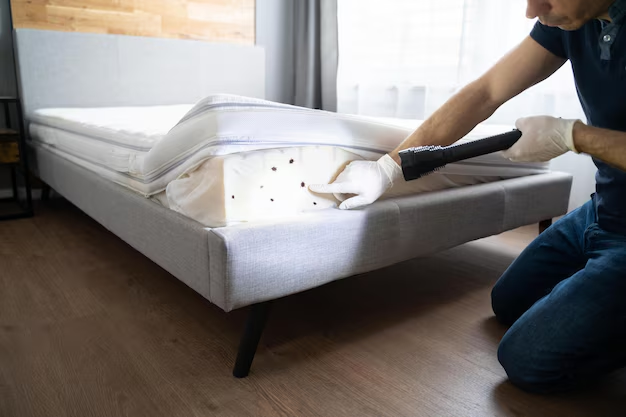
- Look for visible pests: dark spots or tiny insects in seams may indicate an infestation.
- Smell test: strong odors (smoke, heavy must, urine) can be very hard to remove completely.
- Check for heavy staining: large or deep stains may never fully disappear.
If you notice active pests, severe mold, or major structural damage, many people decide it’s safer and more practical not to use that mattress at all.
Step-by-step: How To Sterilize a Used Mattress at Home
1. Remove all bedding and vacuum thoroughly
Strip off all sheets, protectors, and covers and wash what you can according to care labels.
Then:
- Use a vacuum with an upholstery attachment.
- Vacuum all surfaces: top, sides, and underside.
- Pay extra attention to seams, tufts, and edges where dust and debris collect.
This step removes loose dirt, skin flakes, and some allergens.
2. Spot-clean stains
Check the mattress tag for any cleaning codes, then:
- Mix a small amount of mild detergent with water.
- Lightly dab stained areas with a clean cloth—do not soak the mattress.
- Blot with a dry towel to remove as much moisture as possible.
Avoid harsh scrubbing, which can spread stains and push moisture deeper into the mattress.
3. Deodorize with baking soda
To help with odors:
- Sprinkle a generous, even layer of baking soda over the entire surface.
- Let it sit for several hours; many people prefer to leave it on for most of the day.
- Vacuum up all baking soda thoroughly.
Baking soda won’t fix every deep odor, but it often helps neutralize musty or stale smells.
4. Surface disinfection: what’s realistic and safe?
When asking how to sterilize a used mattress, many people are really thinking about disinfection. You can gently disinfect the surface if you:
- Use a light mist of a mild, fabric-safe disinfecting spray.
- Avoid oversaturating the fabric—the mattress should never feel wet.
- Allow ample drying time in a well-ventilated space.
Some people prefer steam cleaners on low settings. If you go this route:
- Follow the cleaner’s instructions carefully.
- Avoid lingering too long in one spot.
- Let the mattress dry completely, ideally in a warm, dry room.
Too much moisture can encourage mold growth inside the mattress, so moderation is important.
5. Air out and dry completely
After cleaning and light disinfection:
- Stand or lay the mattress in a well-ventilated area.
- Open windows if possible, or use fans to increase airflow.
- Allow several hours (or longer) for the mattress to become fully dry.
A clean mattress that still feels damp is not ready for use.
Can you fully get rid of bed bugs or serious infestations?
A common concern behind How To Sterilize a Used Mattress is the fear of bugs or hidden pests. Home cleaning alone is often not enough for significant infestations.
Signs to be cautious about include:
- Tiny dark spots along seams or tufts
- Small shed skins or insect remains
- Live insects, especially near piping and labels
In cases of suspected or confirmed infestation, many people choose to avoid using that mattress. Professional treatment or disposal is often considered instead of relying on DIY cleaning.
What can I do to keep a cleaned used mattress fresher longer?
Once you’ve done the work of cleaning and disinfecting:
- Use a washable mattress protector to create a barrier against spills and sweat.
- Wash bedding regularly, including pillowcases and sheets.
- Vacuum the mattress periodically to reduce dust buildup.
- Air out the bed by pulling back covers during the day when possible.
These habits help maintain the cleanliness you achieved when figuring out how to sterilize a used mattress.
Is there a point where a used mattress is not worth sterilizing?
Yes. Even with careful cleaning, some mattresses may not be good candidates for reuse. It may be best to avoid or retire a mattress that is:
- Heavily stained throughout
- Strongly and persistently odorous
- Severely sagging or structurally damaged
- Showing signs of pests or significant mold
In those situations, cleaning may reduce surface grime but not solve the underlying problems.
✅ Quick Mattress Takeaways
Key points consumers should understand about How To Sterilize a Used Mattress
- True medical sterilization isn’t realistic at home; your goal is deep cleaning and surface disinfection.
- Inspect first for pests, mold, severe damage, or strong odors before investing time in cleaning.
- Vacuum, spot-clean, and deodorize with baking soda as core steps.
- Use light, cautious disinfection (mist sprays or careful steaming) and avoid soaking the mattress.
- Drying and airing out thoroughly are just as important as the cleaning itself.
- Some used mattresses are not worth saving, especially if heavily infested, moldy, or structurally compromised.
- Ongoing protection and regular maintenance help keep a cleaned used mattress fresher for longer.
With realistic expectations and deliberate steps, you can significantly improve the cleanliness and comfort of many used mattresses, even if you can’t make them factory-new.