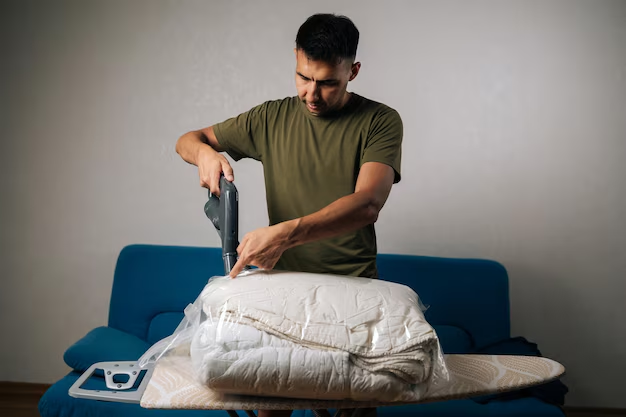
How To Ship Mattress: Simple Steps to Move It Safely
If you’re searching “How To Ship Mattress”, you’re likely moving homes, sending a mattress to someone else, or putting one into storage. Shipping a mattress is possible, but it takes some planning to protect it from damage, dirt, and moisture. This guide explains what to expect, how to prepare, and common questions people have.
What does “shipping a mattress” actually involve?
Shipping a mattress means transporting it with a carrier or moving service rather than just strapping it to a car. This can include:
- Parcel or freight shipping across the country
- Local pickup and delivery by a moving company
- Transporting it to a storage facility
Because mattresses are bulky and can be easily damaged, how you pack and protect it matters just as much as which carrier you choose.
Is it worth it to ship a mattress?
Many people asking How To Ship Mattress also wonder whether they should ship it at all.
A few things to consider:
- Age and condition: If the mattress is old, sagging, or uncomfortable, shipping may not be practical.
- Distance: Short distances (within the same city or region) are usually easier and less expensive than cross-country shipping.
- Size and weight: Larger, heavier mattresses (like king sizes or thick hybrids) can cost more to ship and be harder to handle.
- Sentimental or special use: Some sleepers choose to ship a mattress because it’s a good fit for them and they want to keep it.
If the mattress is in good shape and relatively new, many people find that careful shipping makes sense.
How To Ship Mattress: Step-by-step preparation
1. Measure and inspect the mattress
Before arranging shipping:
- Measure length, width, and height to estimate cost and packaging needs.
- Inspect for damage or stains. If it is already in poor condition, shipping may not be worthwhile.
- Check for odors or moisture. A mattress should be completely dry and clean before packing.
2. Get the right packing materials
To ship a mattress safely, you’ll typically need:
- A mattress bag or plastic cover
- Packing tape to seal the bag
- Optional: cardboard box or edge protectors for additional structure
- Optional: moving blankets for extra padding in a moving truck
Using a protective cover is especially important to guard against dust, moisture, and tears during transport.
3. Bag and seal the mattress
Slide the mattress into a mattress bag:
- Stand the mattress on its side if possible.
- Carefully pull the bag around it, avoiding rips.
- Seal all openings tightly with tape so the cover does not slip off.
A fully sealed bag helps keep the mattress clean if it is stacked with other items.
4. Decide whether to box or wrap it further
For some carriers, a mattress must be boxed. Others allow it to be shipped in a heavy-duty bag. Check the carrier’s guidelines.
- Boxing can add protection against punctures and compression.
- Blanket wrapping is common in moving trucks to protect corners and fabric.
If boxing, use a box close to the mattress size and fill any extra space with soft padding so it does not shift inside.
Can you fold or roll a mattress to ship it?
This is one of the most common questions around How To Ship Mattress.
- Foam mattresses: Some can be gently folded or rolled for short periods, especially thinner models. Long-term compression or tight rolling can affect how they feel.
- Innerspring or hybrid mattresses: These usually should not be folded tightly or bent sharply, as this can damage coils or internal layers.
Unless you are certain the mattress is designed to be compressed, it is generally safer to keep it flat or slightly flexed, not tightly folded or rolled.
How should a mattress be placed during shipping?
If you’re loading a truck or similar vehicle:
- Laying flat: Good for weight distribution, but avoid stacking heavy items on top.
- On its side: Common for saving space, but secure it so it doesn’t bend or slump.
- Avoid sharp bends: Do not strap it tightly over railings or around corners.
Keep it away from sharp objects, liquids, and direct pressure that could leave a permanent indentation.
How much does it usually cost to ship a mattress?
Costs vary widely based on:
- Distance and route
- Mattress size and weight
- Type of service (parcel, freight, full-service movers)
As a rule of thumb, larger and heavier mattresses cost more. Some sleepers find that for long distances, the shipping cost approaches the price of a basic new mattress, which is why comparing options can be helpful.
How can you tell if a mattress is worth shipping?
Ask yourself:
- Do I sleep comfortably on it now?
- Is it structurally sound, without major sagging or lumps?
- Is it free from significant stains, tears, or odors?
- Is the shipping distance reasonable compared to its value?
If the answer is “yes” to most questions, careful shipping may be a sensible choice.
How to protect a mattress after shipping
Once the mattress arrives:
- Inspect the cover for tears or punctures.
- Check for new stains, odors, or visible damage.
- Allow it to air out if it has been wrapped tightly.
- Consider using a mattress protector going forward to reduce wear and future damage.
This helps extend the usable life of a mattress you’ve gone to the effort to ship.
✅ Quick Mattress Takeaways
Key points consumers should understand about How To Ship Mattress
- Evaluate first: Only ship mattresses that are clean, supportive, and worth keeping.
- Measure and plan: Size, weight, and distance determine how practical shipping will be.
- Protect it well: Use a mattress bag, strong tape, and optional box or blankets for extra safety.
- Avoid tight folding: Especially for innerspring and hybrid models, as it may damage internal parts.
- Secure placement: Keep it flat or slightly on edge in transit, with no heavy items on top.
- Check on arrival: Inspect for damage and let it air out before regular use.
Knowing How To Ship Mattress the right way helps you preserve comfort, protect your investment, and avoid common shipping mistakes.