How To Ship a Mattress To Another State: Step‑by‑Step FAQ Guide
If you’re wondering how to ship a mattress to another state, you’re not alone. Mattresses are bulky, awkward, and often expensive, so it makes sense to ask how to move one safely without damage or unnecessary cost. This FAQ-style guide walks through the key decisions, from packaging and carriers to cost considerations and common mistakes.
What Are My Options for Shipping a Mattress to Another State?
When thinking about how to ship a mattress to another state, you usually have three main options:
- Hire a moving company (full-service or partial)
- Use a freight or shipping carrier
- Move it yourself in a rented truck or personal vehicle
Each has trade‑offs:
- Moving companies handle most of the work, but can be more expensive for long distances.
- Freight carriers may be cost-effective if you are only shipping a few large items, like a mattress and bed frame.
- DIY transport gives you control but requires a suitable vehicle and more effort in lifting, loading, and unloading.
If you only need to move the mattress (not a whole household), many people compare freight or parcel shipping costs against simply replacing the mattress.
Is It Worth Shipping My Mattress to Another State?
Before deciding how to ship a mattress to another state, it helps to ask whether you should ship it at all.
Consider:
- Age and condition: If the mattress is older, sagging, or uncomfortable, the cost and effort of shipping may not be worthwhile.
- Size and weight: Larger sizes (like queen and king) are more expensive and harder to move.
- Distance: Longer distances usually mean higher shipping costs and more handling.
- Sentimental value or customization: Some sleepers prefer to keep a specific mattress they already know and like.
A useful rule of thumb: If shipping costs approach the value of the mattress, replacing may be simpler.
How Do I Prepare a Mattress for Shipping?
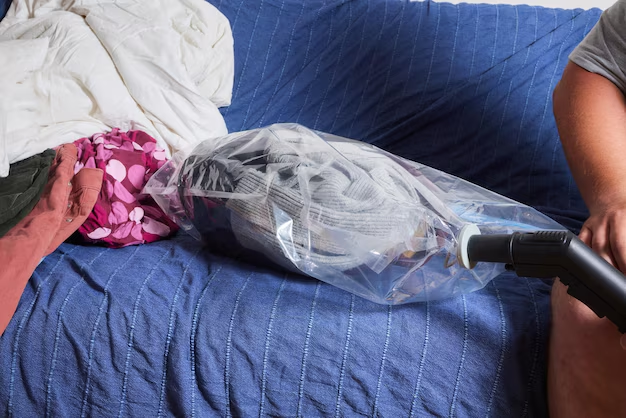
Proper preparation is essential to protect your mattress from dirt, moisture, and damage.
1. Clean and inspect the mattress
- Vacuum the surface to remove dust and debris.
- Check for existing stains, tears, or structural issues so you know its condition before shipping.
2. Use a mattress bag or cover
A heavy-duty mattress bag or zippered fabric cover helps protect against:
- Dust and dirt
- Moisture during transit
- Surface scuffs and snags
Seal the bag well with packing tape.
3. Box or reinforce if possible
Some shippers and freight carriers prefer or require the mattress to be boxed or crated:
- Use a sturdy mattress box if available.
- Add corner protectors or padding to reduce impact damage.
- Avoid bending or folding innerspring mattresses, which can damage internal coils.
Foam mattresses that were originally compressed and rolled by the manufacturer usually can’t be safely re‑compressed at home without specialized equipment, so most people ship them at full size.
How Do I Choose a Carrier or Method?
What should I look for in a mattress shipping service?
When evaluating how to ship a mattress to another state with a carrier, consider:
- Size and weight limits: Confirm they can handle your mattress size.
- Packaging requirements: Some carriers require a box, pallet, or specific wrapping.
- Delivery type: Curbside, threshold, or inside delivery may all be different services.
- Handling and transit time: The fewer transfers, the lower the risk of damage.
- Claims process: Understand how damage is documented and reported.
Should I disassemble the bed frame?
Yes, if you’re also moving the frame or foundation:
- Remove the mattress and foundation.
- Disassemble the frame into smaller parts if possible.
- Bundle hardware in labeled bags and tape them securely to a main frame piece.
This keeps pieces compact and reduces the chance of parts getting lost.
How Much Does It Usually Cost?
Costs for shipping a mattress to another state vary widely based on:
- Mattress size and weight
- Distance between locations
- Service level (economy, standard, or expedited)
- Extra services such as packing help or inside delivery
In general, a larger or heavier mattress going a long distance with faster service will cost more. Getting a few quotes with the same dimensions and weight information can give a clearer picture of what to expect.
How Do I Protect My Mattress From Damage During Shipping?
To reduce risk:
- Keep the mattress flat during storage and transport when possible, especially for innerspring designs.
- Avoid tight bending that could damage the core or springs.
- Label the package with “This Side Up” or “Do Not Bend” if the carrier allows it.
- Add padding at corners and edges, which are more vulnerable to tears and impact.
When your mattress arrives, inspect it as soon as possible. Look for tears in the cover, stains, or signs that it has been bent or crushed.
✅ Quick Mattress Takeaways
Key points to understand about how to ship a mattress to another state
- Assess value first: Shipping is most sensible for newer, high‑quality, or personally important mattresses.
- Protect thoroughly: A sealed mattress bag, padding, and (when possible) a box provide better protection.
- Match method to needs: Choose between moving company, freight carrier, or DIY based on cost, effort, and distance.
- Know carrier rules: Check size limits, packaging requirements, and how they handle damage claims.
- Inspect on arrival: Open and examine the mattress promptly so any issues can be addressed quickly.
Understanding how to ship a mattress to another state comes down to a few core steps: decide whether it’s worth moving, choose a suitable shipping method, package it carefully, and confirm details with your carrier. With a bit of planning and preparation, you can help your mattress arrive in your new state clean, protected, and ready for continued use.