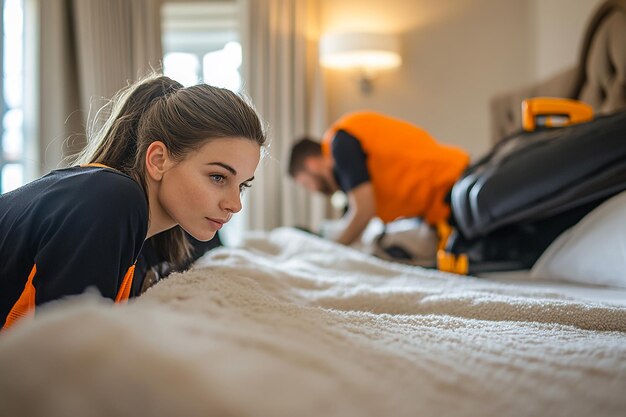
How To Sanitize Used Mattress: Simple Steps for a Cleaner Bed
If you’re searching for “How To Sanitize Used Mattress”, you’re likely wondering whether a secondhand bed can be made clean and comfortable enough to sleep on. This guide walks through practical, at‑home methods to freshen, deodorize, and sanitize a used mattress so you can decide whether it feels right for you.
What Does It Mean To Sanitize a Used Mattress?
Sanitizing a used mattress means reducing surface dirt, odors, and everyday germs so the bed feels cleaner and more pleasant to sleep on.
At home, this usually includes:
- Removing dust, crumbs, and loose debris
- Treating stains and odors
- Using cleaners that help reduce common bacteria and allergens
- Allowing the mattress to dry and air out thoroughly
Sanitizing is not the same as professional disinfection, but regular, careful cleaning can greatly improve the freshness of a used mattress.
How To Sanitize Used Mattress Step by Step
1. Inspect Before You Clean
Before diving into How To Sanitize Used Mattress in detail, take a few minutes to inspect it:
- Look for tears, sagging, or broken springs
- Check seams and edges for visible pests or droppings
- Note any strong odors or large, set-in stains
If you see signs of infestation, heavy contamination, or structural damage, many people find it safer and more practical to avoid using that mattress altogether.
2. Start With a Thorough Vacuum
A strong vacuum with an upholstery attachment is one of the most important tools.
- Remove all bedding and toppers
- Vacuum the top, sides, and bottom of the mattress
- Pay extra attention to seams, tufts, and edges where dust and debris collect
This helps remove loose particles and makes later cleaning steps more effective.
3. Spot-Clean Stains Gently
For many people researching How To Sanitize Used Mattress, stains are a major concern. To treat them:
- Blot, don’t soak. Lightly dampen a clean cloth with a mild solution (such as a small amount of gentle detergent mixed with water).
- Apply to the stain in small amounts, blotting rather than scrubbing to avoid pushing moisture deep into the mattress.
- Wipe with a second cloth slightly dampened with plain water to remove residue.
- Allow to dry fully, preferably in a well-ventilated area.
Avoid heavy saturation; too much moisture can lead to lingering dampness and odors.
4. Deodorize With Baking Soda
To help neutralize everyday mattress odors:
- Sprinkle a light, even layer of baking soda over the entire surface
- Let it sit for several hours or longer for best effect
- Vacuum thoroughly to remove the baking soda
This simple step can noticeably improve the freshness of a used mattress.
5. Use a Mild Sanitizing Spray
Many household cleaners and sprays are designed for soft surfaces. When used as directed, they can help reduce common bacteria on the outer fabric.
- Check that the product is suitable for fabrics and mattresses
- Lightly mist the surface—do not soak
- Allow the mattress to air dry completely before making the bed
Always follow the instructions on the cleaner’s label and test a small, hidden area first to be sure it doesn’t discolor the fabric.
6. Let the Mattress Air Out
Whenever possible, allow the mattress to air out in a well-ventilated room, or where indirect sunlight is available.
- Stand the mattress on its side if you can
- Open windows or use a fan to encourage airflow
- Allow several hours or more of drying time
Good airflow helps remove residual moisture and odors and supports a fresher sleeping surface.
How Often Should You Sanitize a Used Mattress?
For a used mattress that’s in regular use:
- Light maintenance (vacuuming, quick deodorizing): Every 1–3 months
- Deeper refresh (spot-cleaning and sanitizing spray): A few times a year, or as needed for spills or odors
Using a mattress protector once your cleaning is complete can help keep the surface cleaner for longer and make future maintenance easier.
Is It Always Safe To Use a Used Mattress?
A key part of How To Sanitize Used Mattress is knowing when not to use one. Consider avoiding a secondhand mattress if:
- It has visible infestation signs (insects, eggs, droppings)
- It smells strongly of mold, mildew, or chemicals that don’t fade after airing out
- The structure is severely damaged or sagging
In these cases, no amount of light home cleaning is likely to restore comfort or peace of mind.
✅ Quick Mattress Takeaways
Key points consumers should understand about How To Sanitize Used Mattress
- Inspect first: Check for damage, pests, and strong odors before investing time in cleaning.
- Vacuum thoroughly: A detailed vacuuming is the foundation of any good sanitizing routine.
- Clean stains carefully: Use small amounts of gentle cleaner and avoid soaking the mattress.
- Deodorize with baking soda: An easy, common method to help neutralize everyday odors.
- Lightly sanitize the surface: Use fabric-safe sprays as directed, then let the mattress dry fully.
- Prioritize airflow: Adequate drying and ventilation are essential to a fresher, comfortable bed.
- Use protection going forward: A mattress protector can help keep a sanitized used mattress cleaner longer.
With thoughtful inspection and step-by-step care, How To Sanitize Used Mattress becomes a manageable process, helping you decide whether a secondhand bed can feel clean enough for your sleep needs.