How To Rid Dust Mites In Mattress: Practical FAQ Guide
If you’re searching for How To Rid Dust Mites In Mattress, you’re likely noticing more sneezing, stuffiness, or just feeling uneasy about what might be living in your bed. This guide walks through simple, practical steps to reduce dust mites in your mattress and keep your sleep space fresher over time.
What are dust mites and why are they in my mattress?
Dust mites are tiny organisms that feed on shed skin cells and thrive in warm, humid, fabric-filled places. Mattresses, pillows, and bedding provide an ideal environment for them.
They are not usually visible to the naked eye, and most people become aware of them only when they start to focus on bedroom cleanliness or notice they feel better in some environments than others.
Can I completely remove dust mites from a mattress?
In most home environments, completely eliminating dust mites is unrealistic. The goal of How To Rid Dust Mites In Mattress is to:
- Greatly reduce their numbers
- Limit their build-up over time
- Create a less welcoming environment for them
Think in terms of control and prevention, rather than a one-time permanent solution.
How To Rid Dust Mites In Mattress: What actually works?
1. Regularly wash bedding in hot water
Frequent laundry is one of the most effective steps.
- Wash sheets, pillowcases, and blankets at the warmest temperature recommended on the care label
- Aim for weekly washing of sheets and pillowcases
- Wash mattress protectors and duvet covers regularly as well
Heat helps remove dust, skin flakes, and many mites from your sleep surface.
2. Use a mattress protector or encasement
A tightly woven mattress protector or encasement creates a barrier between you and the mattress interior.
- Choose a cover that fully encloses the mattress with a zipper
- Make sure the fabric feels comfortable and breathable
- Remove and wash it periodically according to its care instructions
This does not remove mites already inside the mattress, but it can help limit contact and future build-up.
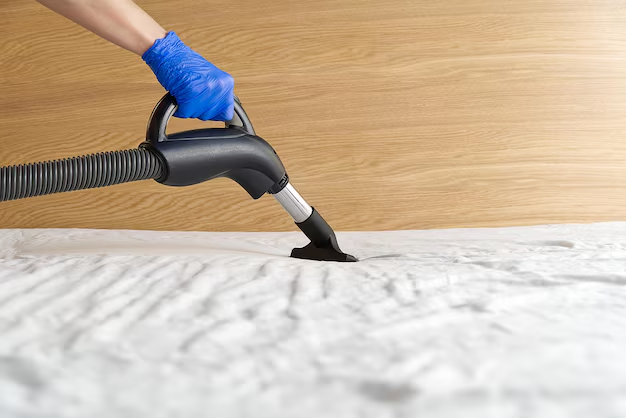
3. Vacuum the mattress properly
Vacuuming can help reduce dust and debris on the surface.
- Use a vacuum with an upholstery attachment
- Go slowly over the entire surface, including seams and edges
- Repeat periodically, such as when you change sheets or rotate the mattress
Allow the mattress to air out for a short time after vacuuming before putting bedding back on.
4. Air out and dry the mattress
Dust mites prefer humid, enclosed environments.
- Open windows when conditions allow to improve airflow
- If safe for your mattress type, let it stand uncovered for a few hours during the day
- Avoid placing the mattress directly on the floor where air circulation is poorer
A drier, well-ventilated mattress is generally less inviting to dust mites.
5. Keep bedroom humidity and temperature in a comfortable range
Dust mites generally do better in damp, warm rooms.
- Try to avoid very high humidity indoors
- Let air circulate by opening doors or windows when possible
- Use breathable bedding materials instead of heavy layers that trap moisture
This supports every other step in How To Rid Dust Mites In Mattress by making the room less suitable for mites overall.
6. Consider replacing very old bedding components
Over many years, mattresses and pillows can accumulate dust, skin cells, and moisture.
If your mattress or pillows are extremely old or heavily worn, some people find it more practical to start fresh and then apply good dust-mite control habits from day one. This is a personal decision based on comfort, budget, and how the mattress feels and looks.
Common questions about dust-mite control in mattresses
Does vacuuming alone get rid of dust mites?
Vacuuming helps reduce surface dust and debris, but it usually cannot reach deep into very dense mattress cores. It’s most useful as one part of a larger routine, combined with washing bedding, using protectors, and improving airflow.
Do I need special sprays or treatments?
Some shoppers look into sprays or treatments marketed for dust mites. Since this guide is focused on neutral, home-based care, the main emphasis is on:
- Physical barriers (protectors, encasements)
- Heat and washing
- Humidity and airflow control
If you consider additional treatments, always follow the product’s safety instructions and make sure they are suitable for use on bedding.
Are some mattress types better for dust-mite control?
All mattresses with fabric and soft materials can gather dust and skin cells. However, some consumers find:
- Simpler constructions may be easier to vacuum and protect
- Removable covers can be washed more conveniently
- Firmer, less plush upper layers may trap less debris on the surface
Whatever the type, consistent maintenance matters more than material alone.
✅ Quick Mattress Takeaways
Key points consumers should understand about How To Rid Dust Mites In Mattress
- Total removal is unlikely; aim to reduce and control dust mites instead.
- Wash bedding regularly at the warmest recommended temperature to remove dust and debris.
- Use a full mattress protector or encasement to create a barrier between you and the mattress interior.
- Vacuum the mattress surface and seams with an upholstery attachment to cut down on build-up.
- Let your mattress breathe by airing it out and avoiding consistently damp, closed environments.
- Manage bedroom humidity and warmth to make conditions less inviting for dust mites.
- Consider the mattress’s age and condition; very old mattresses may be harder to keep fresh over time.
Focusing on consistent, simple habits is the most reliable way to handle How To Rid Dust Mites In Mattress. With regular washing, protective covers, and good airflow, you can keep your mattress feeling cleaner and more comfortable for everyday use.