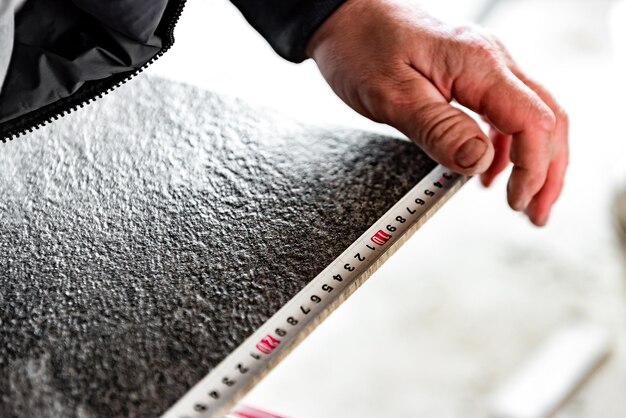
How To Measure a Mattress For Fitted Sheets: Simple Steps for a Great Fit
If you’re wondering how to measure a mattress for fitted sheets, you’re likely dealing with sheets that pop off, bunch up, or never seem to fit quite right. Getting accurate measurements is the easiest way to match your mattress to the right fitted sheet depth and size.
This guide explains exactly what and how to measure, why those numbers matter, and answers the most common questions about mattress sizing and fitted sheets.
Why Does Measuring Your Mattress for Fitted Sheets Matter?
Even if your mattress is labeled “queen” or “king,” mattresses vary in thickness because of pillow tops, toppers, and different constructions. Fitted sheets are also made with different “pocket depths.”
Without proper measurements you may end up with:
- Too-shallow sheets that slip off the corners
- Too-deep sheets that wrinkle and bunch
- A fitted sheet that fits the mattress but not the topper
Knowing how to measure a mattress for fitted sheets helps you choose the right pocket depth and avoid guesswork.
How To Measure a Mattress For Fitted Sheets: Step-by-Step
1. What you’ll need
- A flexible measuring tape (sewing tape works best)
- A notepad or phone to record numbers
- A flat surface to stand or lean on safely
Try to measure with no sheets on the bed so you’re getting the true mattress size.
2. Measure mattress length
- Place the end of the tape at the top edge of the mattress.
- Run it straight down to the bottom edge, along the center.
- Note the measurement in inches or centimeters.
This will typically be close to standard sizes (e.g., around 75", 80", or 84"), but write down the exact number.
3. Measure mattress width
- Place the tape at one side edge of the mattress.
- Stretch it across to the opposite side edge, again across the center.
- Record this number.
Even small differences in width can matter in tight spaces, but for fitted sheets, this confirms you’re buying the correct size category (twin, full, queen, king, etc.).
4. Measure mattress height (the most important step)
Height (or thickness) is what really determines whether a fitted sheet will stay on.
- Place the end of the tape at the bottom seam of the mattress on the side (not under the bed frame).
- Extend the tape straight up to the highest point of the mattress surface.
- If you use a mattress topper and plan to keep it on under the sheet, measure from the base of the mattress to the top of the topper.
- Write down this measurement.
This number is what you compare with a sheet’s “pocket depth.”
5. Add a little extra for a secure fit
To help the sheet wrap under the mattress:
- Add about 2–3 inches (5–8 cm) to your mattress height when checking pocket depth.
- For example, if your mattress is 12" thick, look for sheets with pockets around 14–15".
This extra space helps the elastic grip under the corners rather than hovering at the edge.
How Do I Match My Mattress Measurements to Sheet Pocket Depth?
Most fitted sheets list a “pocket depth” or say they fit mattresses “up to” a certain thickness. Here’s a simple guide:
| Mattress Height (Thickness) | Typical Sheet Description |
|---|---|
| Up to ~10" | Standard pocket |
| ~11"–14" | Deep pocket |
| ~15"–18"+ | Extra‑deep pocket / oversized |
📝 Rule of thumb:
Choose a sheet with a pocket depth slightly greater than your measured mattress height, including any topper.
Common Questions About Measuring for Fitted Sheets
Do I measure the mattress with or without the topper?
If you sleep with a topper on all the time, measure with the topper in place. This ensures the fitted sheet covers both the mattress and topper without straining or popping off.
If you only use a topper occasionally, you may want a separate deeper set of sheets or a fitted mattress protector designed to accommodate both.
Should I include the bed frame or box spring height?
No. When figuring out how to measure a mattress for fitted sheets, only measure the mattress (and topper, if used). Bed frames, bases, and box springs are not covered by the fitted sheet and don’t affect pocket depth.
What if my mattress is between standard sizes?
Some mattresses may be slightly wider, longer, or thicker than standard measurements. In that case:
- Choose sheets that match the closest standard length and width.
- Focus on getting the correct pocket depth to prevent slipping.
- Elastic strength and fabric stretch can help accommodate small variations.
How can I tell if my current fitted sheet is the wrong size?
Your sheet may not match your mattress measurements if:
- Corners pop off when you move or sit on the bed
- The sheet is loose, wrinkled, or baggy even after tucking
- You see the mattress exposed at the corners or sides
If your mattress is thicker than the sheet’s pocket depth, it will be hard to get the corners on. If it’s much thinner, the sheet may feel overly loose.
✔️ Quick Mattress Takeaways
Key points to understand about How To Measure a Mattress For Fitted Sheets
- Measure length, width, and especially height with a flexible tape and no bedding on.
- When deciding how to measure a mattress for fitted sheets, always include your mattress topper if it stays on the bed.
- Height (thickness) = pocket depth needs: add about 2–3 inches to your measured height to choose a suitable pocket depth.
- Standard pocket sheets work for thinner mattresses, while deep or extra-deep pockets suit thicker or pillow-top designs.
- Only measure the mattress itself, not the bed frame or box spring.
- Consistently slipping or baggy sheets usually mean a mismatch between mattress thickness and sheet pocket depth.
With a few careful measurements and an understanding of pocket depth, you can confidently choose fitted sheets that stay put and feel smooth night after night.