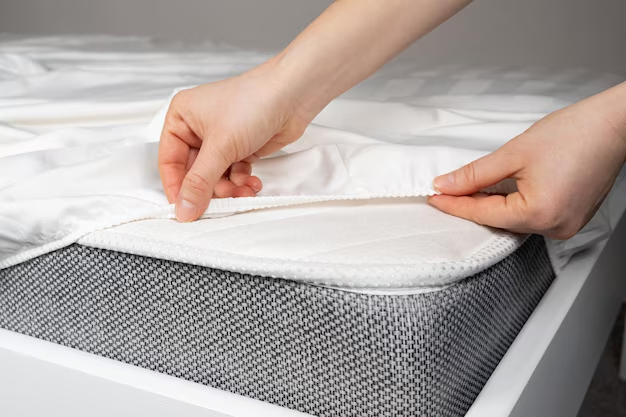
How To Know If Your Mattress Has Bed Bugs: Signs, Checks, and What To Watch For
If you’re worried about tiny pests in your bed, you’re likely searching “How To Know If Your Mattress Has Bed Bugs.” This guide walks through the clear, visible signs, where to check, and how to tell bed bugs apart from other issues like dust or regular wear.
What Are Bed Bugs and Why Do They Like Mattresses?
Bed bugs are small insects that tend to hide in and around places where people sleep. Mattresses, box springs, and bed frames provide:
- Dark crevices
- Easy access to a sleeping person
- Plenty of seams and folds to hide in
They do not indicate that a home is dirty; they can be found in many different environments.
Knowing how to know if your mattress has bed bugs starts with recognizing what they look like and where they prefer to hide.
What Are the Most Obvious Signs of Bed Bugs in a Mattress?
1. Live bugs or shed skins
Adult bed bugs are:
- About the size of an apple seed
- Flat and oval when not recently fed
- Brown to reddish-brown in color
You may also see smaller, pale-yellow shed skins. As bed bugs grow, they leave these behind in seams and corners.
2. Black or dark brown spots
A very common sign is small black or dark brown dots on:
- The mattress surface
- Around seams and piping
- On the box spring or bed frame
These spots can be bed bug fecal stains. They may look like tiny ink dots or smudges on fabric.
3. Tiny white eggs or eggshells
Bed bug eggs:
- Are very small and white or off-white
- May appear in clusters
- Are often tucked into seams, tufts, or fabric folds
You might need a flashlight and close inspection to see them clearly.
4. Unexplained fabric marks or clustering
You might notice:
- Clusters of tiny dark marks in one area
- Slight reddish stains where bugs have been crushed
These signs usually appear near where your body rests most often.
How To Check Your Mattress Step by Step
When learning how to know if your mattress has bed bugs, a slow, methodical check is more helpful than a quick glance.
Where should you look first?
Focus on areas where bed bugs are most likely to hide:
- Mattress seams and piping
- The edge where the top meets the side
- Tufts and quilting patterns
- Around any labels or tags
- Corners of the mattress and box spring
Use a flashlight and, if possible, a light-colored cloth or paper towel to help you see small marks.
What about the rest of the bed?
Bed bugs rarely stay only on the flat surface of the mattress. Also inspect:
- The box spring, especially the underside and corners
- The bed frame, especially joints and screw holes
- The headboard, especially where it meets the wall
- Any nearby cracks, baseboards, or gaps in flooring
Finding signs nearby still helps you know if your mattress has bed bugs, since they often move between the mattress and its surroundings.
How Do I Tell Bed Bugs From Other Mattress Issues?
Many people confuse bed bug signs with other common mattress problems. Here’s a quick comparison:
| Sign / Clue | More Likely Bed Bugs | More Likely Something Else |
|---|---|---|
| Small black dots | Clustered along seams, may smear slightly | Random dust, ink, or general dirt |
| Reddish stains | Near sleeping area or along piping | Food/drink spills or other accidents |
| Visible insects | Flat, oval, moving, hiding in cracks | Larger, differently shaped insects |
| White specks (eggs) | Attached in clusters along hidden fabric | Lint, foam bits, or general debris |
If you see several different signs together (for example, dark spots plus shed skins plus eggs), that strengthens the likelihood of bed bugs being present.
Can You Have Bed Bugs Without Seeing Any?
It is possible for a small number of bed bugs to remain well hidden, especially in early stages. This can make it hard to know right away if your mattress has bed bugs.
Consider:
- They are experts at hiding in small gaps, like staple holes or stitching.
- They may be more active at night when lights are off.
- Early infestations may show only a few faint signs.
If you suspect activity but cannot find any physical signs on the mattress, it can be useful to re-check carefully over time or consider professional inspection.
How Often Should You Check Your Mattress?
Regular checks can help you catch issues early:
- When you first notice anything unusual on the mattress or sheets
- After traveling or having guests stay over
- A few times a year, especially around seams and corners
Routine inspection is a helpful part of mattress use and care and supports longer-lasting comfort and cleanliness.
✅ Quick Mattress Takeaways
Key points to understand about How To Know If Your Mattress Has Bed Bugs
- Look closely at seams, corners, and labels for live bugs, shed skins, eggs, or dark spots.
- Dark, ink-like specks along seams are a common visual clue.
- Clusters of white eggs or pale shells in fabric folds can indicate hidden activity.
- Multiple signs in the same area (spots, shells, and stains together) are more meaningful than a single speck of dirt.
- Bed bugs can also hide in the box spring, frame, and nearby cracks, not only on the mattress surface.
- Regular, careful checks are a practical way to know if your mattress has bed bugs and to address problems early.
By understanding how to know if your mattress has bed bugs and what to look for, you can inspect your sleep space more confidently and respond promptly if you notice suspicious signs.