How To Get Rid Of Mold On Mattress: Practical Steps and When To Replace
If you’re searching for how to get rid of mold on mattress, you’re likely worried about stains, smells, and whether your bed is still safe to sleep on. This guide walks through what mold on a mattress looks like, what you can realistically do at home, and when it’s better to replace the mattress instead of trying to save it.
What Does Mold on a Mattress Look and Smell Like?
Mold on a mattress often appears as:
- Small black, green, or gray spots
- Irregular patches that may spread over time
- Areas that look damp or discolored
You may also notice a musty, earthy odor, especially when you first enter the bedroom or pull back the bedding.
Mold thrives where there is moisture, poor airflow, and organic material (like cotton covers or dust). Mattresses placed directly on the floor or in humid rooms are especially vulnerable.
Is It Safe to Clean Mold Off a Mattress?
This is the first and most important question behind “how to get rid of mold on mattress.” The honest answer is: it depends on how severe and how deep the mold is.
As a general rule:
- Light, surface-level spots: Many people try to clean these at home.
- Deep, widespread, or long-standing mold: Often considered better to replace the mattress, since mold can grow inside layers you cannot reach.
If the mattress has a strong musty smell even after airing it out, or if mold covers a large area, cleaning may not remove it completely.
How To Get Rid Of Mold On Mattress: Step-by-Step Cleaning Guide
If the mold appears light and patchy on the surface, some users choose to attempt careful cleaning. Here is a general, non-medical, non-professional approach many follow.
1. Move the Mattress to a Safe Area
- Take the mattress outside, if possible, on a dry, sunny, breezy day.
- If you must work indoors, open windows and doors for maximum ventilation.
- Remove and wash all bedding in hot water, if the care labels allow.
2. Vacuum the Surface
- Use a vacuum with a HEPA-style filter, if available, and a soft brush attachment.
- Gently vacuum all surfaces, seams, and tufts to remove loose spores and dust.
- Empty the vacuum or dust container outside after you’re done.
This step helps remove particles before you use any cleaning solution.
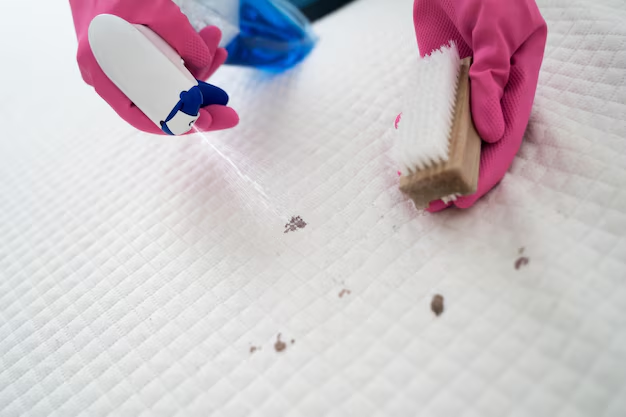
3. Spot-Clean Moldy Areas
Several mild solutions are commonly used on mattresses. Always test a small, hidden area first to check for discoloration.
You can lightly dampen a clean cloth with one of the following:
- A mix of mild detergent and water
- White vinegar and water (about equal parts)
- A small amount of rubbing alcohol and water
Then:
- Blot (do not soak) the moldy area.
- Gently dab and wipe, working from the outside of the stain inward.
- Avoid oversaturating the mattress; too much liquid can lead to more moisture issues.
The goal is to lightly clean the surface, not to drench the inner layers.
4. Dry the Mattress Thoroughly
Complete drying is critical.
- Place the mattress in direct sunlight if possible; many people find sunlight helpful for drying and freshening fabrics.
- Allow several hours of drying, flipping and rotating the mattress to expose all sides.
- Indoors, you can use fans and open windows to speed up drying.
Do not put sheets or covers back on until the mattress feels completely dry to the touch.
When Should You Stop Cleaning and Replace the Mattress?
Sometimes the better answer to “how to get rid of mold on mattress” is to stop trying. Consider replacement if:
- Mold covers a large area or appears in multiple spots.
- Mold returns quickly after cleaning.
- The smell remains strong and persistent, even after drying and airing out.
- The mattress is very old or already sagging, and cleaning would only be a temporary fix.
Mattresses are made of multiple layers of foam, fabric, and padding. Once mold enters these inner layers, it is very difficult to remove completely with home methods.
How Can You Prevent Mold From Coming Back?
Whether you’ve cleaned your mattress or you’re starting with a new one, ongoing care makes a big difference.
- Keep the bedroom well-ventilated. Open windows when weather allows; use fans to keep air moving.
- Use a breathable mattress protector. This helps shield against moisture from spills and sweat.
- Raise the mattress off the floor. A bed frame or slatted base allows air to circulate underneath.
- Avoid placing the bed against cold, damp walls. Leave some space for air to move.
- Change and wash bedding regularly. Fresh, dry sheets help reduce excess moisture.
- Address moisture problems in the room. Fix leaks and manage humidity where possible.
These habits focus on reducing trapped moisture, which is the main condition mold needs to grow.
✅ Quick Mattress Takeaways
Key points consumers should understand about How To Get Rid Of Mold On Mattress
- Mold on a mattress is a sign of excess moisture and poor airflow. Small, surface spots may sometimes be cleaned; deep or widespread mold often is not worth saving.
- Home cleaning focuses on gentle surface treatment and thorough drying. Use light cleaning solutions, avoid soaking the mattress, and dry it fully in sun or with good ventilation.
- Persistent smell, heavy staining, or returning mold are warning signs. In these situations, many people choose to replace the mattress rather than continue cleaning attempts.
- Prevention is easier than removal. Good airflow, a mattress protector, regular cleaning, and keeping the mattress off the floor all help reduce the chance of mold.
- “How To Get Rid Of Mold On Mattress” is partly about knowing when not to. For severe cases, replacement is often the most reliable way to ensure your sleeping surface stays clean and comfortable.
With a clear view of what mold on a mattress means, what cleaning can realistically do, and how to prevent future growth, you can make a calm, informed choice about your next steps.