How To Get Rid Of Mold On a Mattress: Practical Steps and When to Replace
If you’re searching for “How To Get Rid Of Mold On a Mattress,” you’re likely dealing with visible spots, a musty smell, or concerns about sleeping on a damp or poorly ventilated bed. This guide walks through what mold on a mattress is, how to respond, and when cleaning is not enough.
What does mold on a mattress look and smell like?
Mold on a mattress often shows up as:
- Black, green, or dark brown specks or patches
- Fuzzy or spotty growth on the surface or seams
- A persistent musty or earthy odor, even after airing out the room
Not all dark spots are mold. Some stains are from spills, sweat, or dust. Mold usually combines discoloration plus a damp or musty smell and may spread or change over time.
Is it safe to clean mold, or should you replace the mattress?
When thinking about How To Get Rid Of Mold On a Mattress, start by deciding whether cleaning is appropriate at all.
Consider replacing the mattress if:
- The mold is widespread or covers a large area
- The mattress has been soaked (flooding, long-term dampness)
- The mold appears to be coming from deep inside, not just the surface
- The mattress is already old or sagging
Surface-level spots on a relatively new, structurally sound mattress may be candidates for careful cleaning. If there are any concerns about extensive mold, disposal is often the simplest and most reliable option.
How To Get Rid Of Mold On a Mattress: Step-by-step surface cleaning
If the mold seems limited and you choose to clean:
1. Prepare a safe, dry work area
- Move the mattress to a well-ventilated, dry space (ideally outdoors in a covered, shaded area or a dry room with windows open).
- Do not clean in a damp basement or closed, humid room.
- Wear basic protection like gloves and a simple mask to avoid breathing in dust and debris.
2. Dry the mattress as much as possible
Mold thrives in moisture. If the mattress is at all damp:
- Stand it upright to allow air circulation on both sides.
- Use fans or a dehumidifier in the room, if available.
- Avoid adding any liquid cleaners until the mattress feels dry to the touch.
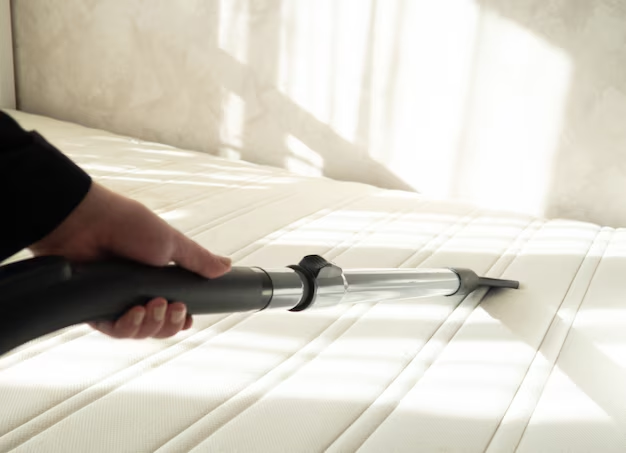
3. Vacuum the surface carefully
Use a vacuum with an upholstery attachment (preferably one with a filter) to remove loose particles:
- Vacuum all sides: top, bottom, and edges.
- Empty or clean the vacuum outside afterward so you’re not reintroducing spores indoors.
4. Spot clean with a light solution
You can gently treat the stained areas using mild household cleaners. Common options include:
- A diluted gentle detergent mixed with water
- A light solution of white vinegar and water
Steps:
- Dampen (do not soak) a clean cloth with your chosen solution.
- Blot the moldy area; avoid scrubbing aggressively, which can push moisture and particles deeper into the mattress.
- Use a second, slightly damp cloth with plain water to lightly go over the area.
- Follow with a dry towel to absorb as much moisture as possible.
The goal is minimal moisture: enough to help lift residue, not enough to penetrate deeply.
5. Thoroughly dry the mattress
After cleaning, drying is crucial:
- Allow the mattress to air dry completely before using it again.
- Use fans or a dehumidifier to speed up drying.
- Avoid placing the mattress in direct, harsh sunlight for long periods, which can damage certain materials.
If the mattress still feels damp after many hours, give it more time. Putting bedding on too early can trap moisture.
Can you completely remove mold from a mattress?
Surface mold and stains sometimes improve with careful cleaning, but it is difficult to guarantee full removal, especially if:
- The mold reached the inner layers of foam or padding
- The mattress stayed damp for a long time
- The odor persists even after cleaning and drying
If, after cleaning, you still notice a strong musty smell, new spots forming, or continued discoloration, the mold may be deeper than you can reach. In that case, many people opt to replace the mattress rather than continue treating it.
How can you prevent mold from coming back?
Whether you’ve cleaned your mattress or are starting fresh with a new one, prevention focuses on keeping the sleep environment dry and ventilated.
Simple habits that can help:
- Allow airflow: Avoid placing the mattress directly on the floor; use a bed frame or base that allows air circulation.
- Control humidity: Keep the bedroom as dry as reasonably possible, especially in humid climates.
- Air out bedding: Occasionally remove bedding during the day to let the mattress air out.
- Clean spills quickly: If liquids get on the mattress, blot thoroughly and dry the area as soon as possible.
- Use a breathable mattress protector: This can protect against spills and grime while still allowing air movement.
✔️ Quick Mattress Takeaways
Key points consumers should understand about How To Get Rid Of Mold On a Mattress
- Assess first: Widespread or deep mold often means the mattress is better off replaced than cleaned.
- Work in a dry, ventilated space: Never try to treat mold in a damp or poorly ventilated room.
- Keep moisture minimal: Lightly blot with diluted cleaning solutions instead of soaking the mattress.
- Drying is as important as cleaning: A fully dry mattress is essential to discouraging further mold growth.
- Prevention matters: Good airflow, low humidity, and quick response to spills reduce the risk of future mold.
Knowing How To Get Rid Of Mold On a Mattress helps you make a clear decision: try careful surface cleaning for small, recent spots in a dry environment, or choose to replace the mattress when the mold is extensive or deep inside. With the right steps and a focus on a dry, well-ventilated bedroom, you can create a cleaner and more comfortable sleep space.