How To Get Rid Of Dust Mites On a Mattress: Practical FAQ Guide
If you’re searching for how to get rid of dust mites on a mattress, you’re likely noticing allergies, stuffiness, or just want a cleaner sleeping environment. This FAQ-style guide walks through what dust mites are, why they like mattresses, and the most practical ways to reduce them and keep them under control.
What are dust mites and why do they like mattresses?
Dust mites are tiny organisms that live in household dust and feed mainly on flakes of human skin. They’re too small to see with the naked eye, but they thrive in:
- Warm, humid environments
- Soft, porous materials like mattresses, pillows, and upholstered furniture
Mattresses are ideal for dust mites because they provide warmth, moisture from body heat and sweat, and a steady food source. Over time, both the mites and their waste can build up inside the mattress, especially if it isn’t protected or cleaned regularly.
How To Get Rid Of Dust Mites On a Mattress: Where do I start?
To tackle dust mites, think in terms of cleaning, heat, protection, and prevention. No method will remove every mite instantly, but combining several steps can significantly reduce them.
Step 1: Strip and wash all bedding
Remove all sheets, pillowcases, and mattress covers.
- Wash in hot water that your fabrics can safely handle
- Dry thoroughly on a high heat setting
Heat helps minimize dust mites and their allergen load, especially when used regularly.
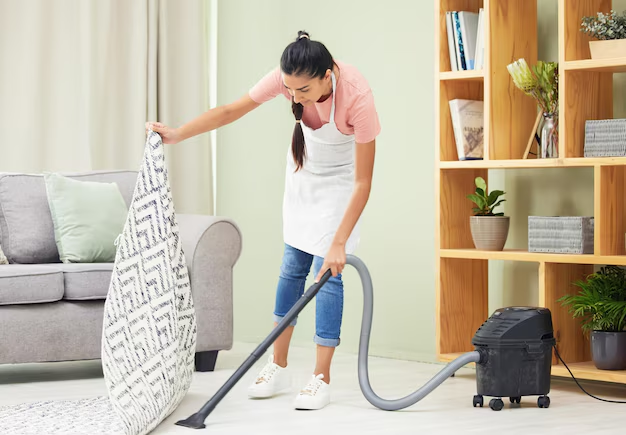
Step 2: Vacuum your mattress thoroughly
Use a vacuum with a strong suction and, if possible, an upholstery attachment:
- Vacuum the top, sides, and seams of the mattress
- Go slowly to allow the vacuum to pull particles from the surface layers
- Repeat this process regularly, not just once
While vacuuming won’t reach deep into every layer, it can reduce surface dust and mite debris.
Step 3: Fresh air and, when possible, sunlight
If your situation allows:
- Open windows to air out the bedroom
- Briefly expose the mattress surface to sunlight if it’s safe and practical (for example, near a window)
Dry, well-ventilated conditions are generally less favorable to dust mites than warm, humid air.
Do mattress protectors really help with dust mites?
A high-quality mattress protector can be one of the most effective long-term tools for controlling dust mites.
Look for features like:
- Tight-weave fabric that acts as a barrier
- A full encasement design that zips around the entire mattress
- Easy removal for frequent washing
The goal is not to “kill” everything inside the mattress overnight, but to block fresh skin flakes from entering and limit direct contact with what’s already inside. Over time, this can reduce the amount of dust mite material you’re exposed to at the surface.
How often should I clean my mattress to keep dust mites down?
Consistency is more important than intensity. Many sleepers find this routine manageable:
- Weekly: Wash sheets and pillowcases in hot water
- Every 1–2 months:
- Vacuum the mattress surface
- Wash the mattress protector
- A few times a year: Do a more thorough clean (vacuuming seams, airing out the mattress, refreshing the bed frame area)
Keeping humidity under control with good ventilation or other methods, where appropriate, can also make the environment less comfortable for dust mites.
Are sprays or powders necessary to get rid of dust mites?
Some people consider specialty sprays or powders that are marketed for dust mites. When thinking about these:
- Always follow the label directions carefully
- Make sure any treatment is safe for fabrics and appropriate for a mattress
- Allow the mattress to dry and air out fully before making the bed again
These products may be used as a supplement to cleaning, but regular washing, vacuuming, and mattress protection are the core long-term strategies.
How do I know if my mattress has a dust mite problem?
You usually won’t see dust mites themselves. Instead, people focus on:
- How long it’s been since the mattress was deep-cleaned or protected
- Whether the bedroom tends to be warm and humid
- Visible dust build-up on nearby surfaces
- A mattress that is older and has never been encased
If these factors are present, it is reasonable to assume that dust mites may be part of your indoor environment, especially in the mattress and bedding.
Is replacing the mattress the only solution?
Replacing a mattress is a personal choice and not the only way to address dust mites. In many cases, you can:
- Thoroughly vacuum and air the mattress
- Add a zippered protector
- Maintain regular bedding and mattress care
Some individuals choose to replace a very old or heavily used mattress as part of an overall fresh start, but it’s usually more about comfort, age, and general wear than dust mites alone.
✔️ Quick Mattress Takeaways
Key points about How To Get Rid Of Dust Mites On a Mattress
- Start with heat: Wash sheets, pillowcases, and protectors in the hottest water the fabric allows and dry on high heat.
- Vacuum regularly: Use a strong vacuum with an upholstery tool to clean the mattress surface, edges, and seams.
- Use a barrier: A tightly woven, full-encasement mattress protector helps block new dust and skin flakes from entering.
- Control the environment: Keep the bedroom well-ventilated and avoid excessive humidity, which supports dust mites.
- Stay consistent: Ongoing cleaning and protection matter more than any single deep-cleaning session.
By combining routine washing, careful vacuuming, mattress protection, and a balanced bedroom environment, you can meaningfully reduce dust mites on a mattress and keep your sleep surface feeling fresher over time.