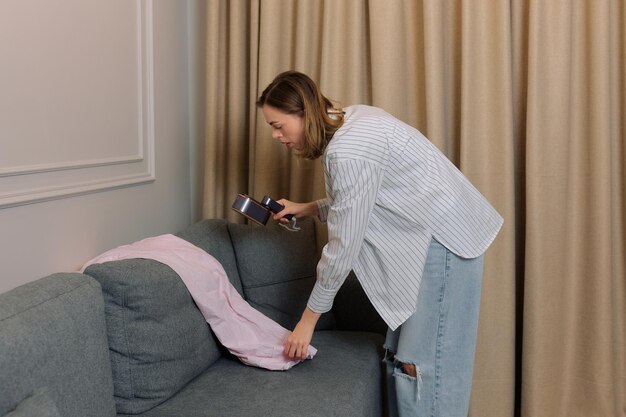
How To Get Rid Of Bed Bugs Mattress: Practical FAQ Guide
If you’re searching for “How To Get Rid Of Bed Bugs Mattress”, you’re likely worried about tiny insects in or around your bed. This guide explains how bed bugs affect your mattress, what you can realistically do yourself, and when to involve a professional, all in a clear, FAQ-style format.
What are bed bugs and how do they affect a mattress?
Bed bugs are small, flat insects that like to hide in and around sleeping areas. A mattress is one of their favorite places because it offers:
- Warmth
- Easy access to a sleeping person
- Seams, folds, and labels where they can hide
They don’t live only in the mattress, though. They can also be found in bed frames, headboards, nearby furniture, baseboards, and cracks in walls or floors. This is important when thinking about How To Get Rid Of Bed Bugs Mattress, because treating the mattress alone is usually not enough.
How do I know if my mattress actually has bed bugs?
Common signs on or around the mattress include:
- Tiny dark spots (possible droppings) on fabric or sheets
- Shed skins or pale shells in seams or under tags
- Small, pale or reddish bugs visible when you look closely
- Tiny blood marks on sheets or the mattress surface
To check your mattress:
- Remove sheets and bedding.
- Inspect the seams, piping, handles, and labels.
- Look around the bed frame, slats, and headboard.
If you see several signs in more than one place, there is a higher chance you’re dealing with an infestation in the sleeping area, not just a single bug.
How To Get Rid Of Bed Bugs Mattress: What steps can I take myself?
You can take several non-chemical, home-based steps to address bed bugs on your mattress and help limit their spread:
1. Isolate and inspect
- Move the bed slightly away from the wall.
- Remove clutter under and around the bed where bugs can hide.
- Inspect both sides of the mattress and the bed frame carefully.
2. Deep clean the bedding
- Wash all sheets, pillowcases, and mattress covers in hot water, if the care label allows.
- Dry them on the highest suitable heat setting. Heat can help kill bed bugs and their eggs on fabrics.
3. Vacuum the mattress and frame
Use a vacuum with a crevice tool to:
- Go along the mattress seams and tufts
- Focus on handles, labels, and edges
- Vacuum the bed frame joints and screw holes
After vacuuming, carefully empty the vacuum canister or bag outside into a sealed trash bag.
4. Use a mattress encasement
Once the mattress is vacuumed and dry, many people choose to use a tightly woven, zippered mattress encasement. This can:
- Trap any remaining bed bugs inside the encasement
- Make new inspections easier, because the surface is simple and smooth
Encasements usually need to remain on for an extended period so that any trapped bugs eventually die inside.
Do I have to throw away my mattress?
Many people worry that they must immediately discard the mattress. This is not always necessary.
Reasons you might keep the mattress:
- The infestation appears limited and caught early
- You can encase the mattress and treat surrounding areas
- A professional indicates it can be effectively treated
Reasons you might consider replacing it:
- The mattress is heavily infested and damaged
- It is already very old or uncomfortable
- You prefer the peace of mind of starting fresh after treatment of the room
Even if you replace the mattress, it is important to remember: if bed bugs remain in the room or furniture, they can move onto the new mattress. The entire sleeping area should be addressed.
Can I get rid of bed bugs with only DIY methods?
For mild, early issues, some people feel they can reduce or manage bed bugs using careful cleaning, vacuuming, encasements, and heat-safe laundering.
However, in many typical home situations:
- Bed bugs hide in multiple locations (not just the mattress)
- They can be difficult to fully eliminate without extensive treatment
This is why many households eventually involve a licensed pest management professional. They can:
- Inspect all likely hiding spots in the room and nearby areas
- Use a combination of treatment methods appropriate to the home
DIY steps are still useful, even if you seek professional help, because good cleaning, encasing, and laundering can support a more thorough outcome.
How can I protect my mattress from bed bugs in the future?
Once you’ve worked through How To Get Rid Of Bed Bugs Mattress, prevention becomes the next priority:
- Use a mattress and box spring encasement designed to be bed-bug-resistant.
- Keep the area under and around the bed clear of clutter.
- Inspect your mattress and frame periodically, especially after travel or guests.
- Be cautious with secondhand furniture; inspect it closely before bringing it into the bedroom.
These habits do not guarantee you will never encounter bed bugs, but they can make it easier to spot and manage issues early.
✔️ Quick Mattress Takeaways
Key points consumers should understand about How To Get Rid Of Bed Bugs Mattress
- Check the whole bed area, not just the mattress. Bed bugs often hide in frames, headboards, and nearby furniture.
- Heat and vacuuming are core DIY steps. Wash and dry bedding on suitable high heat and vacuum seams and joints carefully.
- Mattress encasements help protect and monitor. They can trap existing bugs in the mattress and make future inspections easier.
- You may not need to throw away your mattress. Replacement is usually a choice based on infestation level, mattress age, and comfort.
- Room-wide treatment matters. Even if the mattress is cleaned or replaced, untreated hiding spots can lead to recurring issues.
Understanding How To Get Rid Of Bed Bugs Mattress is mainly about combining careful inspection, thorough cleaning, encasement, and, when needed, professional support so your sleeping space feels more secure and comfortable again.