How To Get Rid Of Bed Bugs In The Mattress: Practical FAQ Guide
If you’re searching for “How To Get Rid Of Bed Bugs In The Mattress”, you’re likely noticing bites, spots on your sheets, or tiny insects around your bed. This guide walks through what to look for, what you can realistically do yourself, and when to consider professional help.
What are bed bugs and why do they love mattresses?
Bed bugs are small, flat insects that often hide in and around mattresses, box springs, and bed frames. They prefer these spots because they’re:
- Close to where people sleep
- Full of seams, folds, and tufts where they can hide
- Dark and stable in temperature
Your mattress becomes a central “home base” for an infestation, which is why focusing on the bed is so important when you’re learning how to get rid of bed bugs in the mattress.
How do I know if my mattress has bed bugs?
Common signs to check for
Pull back all bedding and carefully inspect your mattress and nearby areas. Look for:
- Small reddish or brown stains on sheets or mattress surface
- Tiny dark specks (bed bug droppings) along seams and edges
- Live bugs (small, oval, brownish insects) in folds or crevices
- Shed skins or eggs along seams, piping, and labels
It helps to use a flashlight and slowly scan:
- Mattress seams and piping
- Under mattress tags
- Around the headboard and bed frame
- Where the mattress meets the box spring or base
If you see multiple signs in these areas, it’s likely your mattress is involved in a wider infestation.
How To Get Rid Of Bed Bugs In The Mattress: What are my options?
Eliminating bed bugs usually involves both the mattress and the surrounding bedroom. Focusing only on the mattress often leads to bugs returning.
1. Deep cleaning and containment
Start by reducing hiding spots and removing loose bugs:
- Strip all bedding and wash it in hot water, then dry on the highest heat setting that’s safe for the fabric.
- Vacuum the mattress thoroughly, especially seams, tufts, and edges.
- Empty the vacuum outside the home, if possible, so bugs are not released indoors.
This step doesn’t remove every bed bug, but it can lower the number and make other methods more effective.
2. Using mattress encasements
One of the most practical tools for how to get rid of bed bugs in the mattress is a full mattress encasement designed to be bed-bug-resistant.
When used correctly, an encasement can:
- Trap any remaining bugs already inside the mattress
- Prevent new bugs from moving in or out
- Make it easier to see signs of activity on the smooth outer surface
The encasement usually needs to stay on for a prolonged period because trapped bed bugs can survive for a while without feeding.
Can I treat the mattress myself?
Many people try do-it-yourself approaches first. Some points to keep in mind:
- Avoid soaking the mattress with liquids. Excess moisture can damage the mattress and may not reach all hiding spots.
- Some household sprays or powders are not intended for use directly on sleeping surfaces. Always read labels and follow directions.
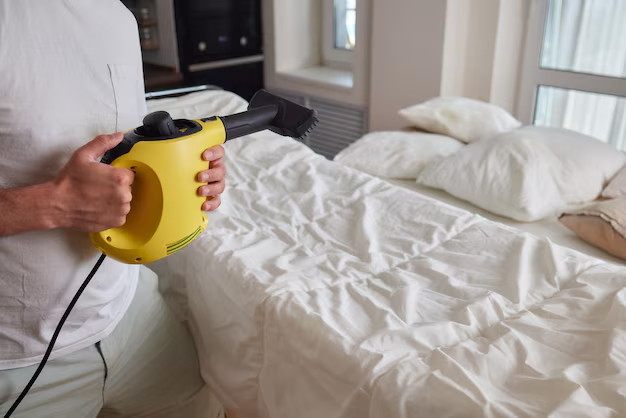
- Heat can be effective, but high heat treatments on mattresses are best handled by trained professionals using controlled equipment.
If you choose to use any treatment around your bed, consider:
- Whether it’s labeled for indoor use
- Whether it’s safe for use near sleeping areas
- Whether you need to vacate the room for a period after application
When in doubt, many sleepers prefer to focus on encasements, laundering, vacuuming, and professional services rather than heavy chemical use on the mattress itself.
Do I have to throw away my mattress?
Not always. Discarding a mattress can be expensive and may not solve the problem if bugs remain in:
- The bed frame
- Nightstands or baseboards
- Curtains or nearby furniture
You might consider replacing the mattress if:
- It is heavily damaged or torn, with many deep hiding spots
- You prefer not to sleep on a mattress that has been infested, even after treatment
- A professional has advised that the mattress is too compromised to treat effectively
If you do get rid of it, it’s helpful to seal or mark it clearly so it isn’t reused by someone else.
How can I prevent bed bugs from coming back?
Once you’ve worked on how to get rid of bed bugs in the mattress, prevention is the next step:
- Keep the mattress in a fully zipped encasement long-term
- Reduce clutter around the bed to limit hiding spots
- Regularly inspect seams, the bed frame, and nearby furniture
- Be cautious with used furniture or items brought into the bedroom
- After travel, check luggage and clothing before placing them on or near the bed
Consistent, simple habits can make re-infestation less likely and easier to spot early.
✔️ Quick Mattress Takeaways
Key points about How To Get Rid Of Bed Bugs In The Mattress
- Confirm activity first: Look for stains, live bugs, droppings, and shed skins along mattress seams and nearby furniture.
- Clean systematically: Hot wash and high-heat dry bedding, and vacuum the mattress and bed frame carefully.
- Use encasements: A quality, bed-bug-resistant encasement can trap existing bugs and help prevent new ones from living in your mattress.
- Treat the whole area: Focusing only on the mattress rarely works; inspect frames, bases, and surrounding furniture.
- Consider professional help: Complex or widespread infestations are often easier to manage with trained pest-control services.
- Prevention matters: Regular inspections, reduced clutter, and cautious handling of used items help keep your mattress bed-bug-free.
With a calm, step-by-step approach and the right tools, addressing how to get rid of bed bugs in the mattress becomes more manageable and less overwhelming.