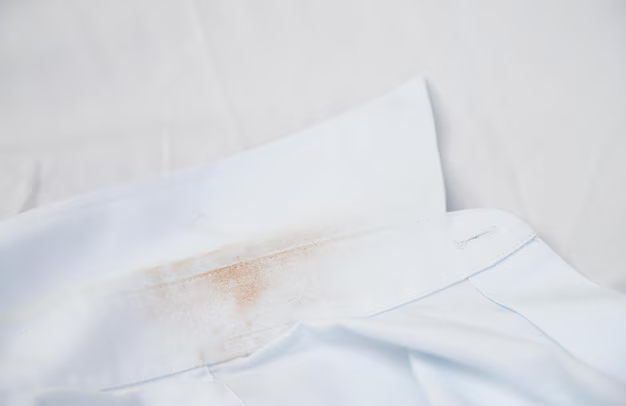
How To Get Oil Out Of a Mattress: Practical Steps That Really Help
If you’re searching “How To Get Oil Out Of a Mattress,” you’re likely dealing with a fresh spill or a stubborn stain from cooking oil, body oil, lotion, or cosmetics. The good news: many oil stains can be reduced or removed with simple household materials if you act carefully.
This FAQ-style guide explains why oil is tricky on mattresses, what to do first, and step‑by‑step methods to clean different types of oil without damaging your bed.
Why is oil so hard to remove from a mattress?
Oil is different from water-based spills. It doesn’t evaporate easily and tends to soak into fabric and foam, leaving:
- Dark or greasy spots
- Odors over time
- A sticky or slick feel on the surface
Mattresses are also difficult to clean thoroughly because you can’t just throw them in a washing machine, and too much moisture can damage internal materials. That’s why knowing how to get oil out of a mattress safely is important for long-term mattress care.
What should I do immediately after an oil spill?
1. Blot, don’t rub
Use paper towels or a clean cloth to gently blot the fresh oil. Press down to absorb as much as possible.
- Do: Keep changing to clean sections of the towel.
- Don’t: Rub the stain. This pushes oil deeper into the mattress.
2. Apply an absorbent powder
After blotting, sprinkle an oil-absorbing powder over the affected area, such as:
- Baking soda
- Cornstarch
- Talc-free baby powder
Let it sit for at least 15–30 minutes (longer for heavy spills). This helps pull oil away from the fabric.
Then vacuum the powder thoroughly using an upholstery attachment if possible.
How To Get Oil Out Of a Mattress: Step-by-step methods
H2: Basic method for most oil stains
This general method works for many light-to-moderate oil stains.
Blot and absorb
- Blot excess oil.
- Cover the area with baking soda and let it sit, then vacuum.
Spot clean with mild dish soap
- Mix a small amount of mild dish soap (designed to cut grease) with warm water.
- Dip a clean cloth into the soapy water and wring it out so it’s damp, not soaking.
- Gently dab the stain from the outside in. Avoid over-wetting the mattress.
Rinse carefully
- Use another cloth dampened with plain water to blot away soap residue.
- Too much water can lead to slow drying and potential odor, so use only what you need.
Dry thoroughly
- Blot with a dry towel.
- Allow the mattress to air dry completely in a well-ventilated room.
- If possible, point a fan at the area to speed up drying.
H2: How do I remove set-in or old oil stains?
Old oil stains can be more stubborn, but you can often lighten or reduce them.
Re-treat with absorbent powder
- Even with old stains, layering baking soda or cornstarch and letting it sit can still draw out some residual oil.
Use a more concentrated soap solution
- Mix a few drops of grease-cutting dish soap with a small amount of warm water.
- Test on a hidden area first to ensure it doesn’t affect the fabric.
- Work the solution gently into the stained area with a soft cloth.
Repeat as needed
- Light stains may improve after one round; stubborn stains sometimes require multiple gentle treatments over time.
Accept that some discoloration may remain
- Once oil has deeply penetrated the mattress, complete removal isn’t always possible, but odors and surface grease can usually be controlled.
Can I use strong cleaners or solvents on my mattress?
Many people wonder if they can use alcohol, vinegar, or stronger solvents when learning how to get oil out of a mattress.
- Check your mattress care tag first. Some materials are sensitive to harsh cleaners.
- Avoid bleach and strong solvents unless the manufacturer specifically says they are safe. They may damage fabrics, foams, or protective coatings.
- Mild dish soap, a small amount of water, and absorbent powders are usually safer, low-risk options for home use.
Does the type of oil matter?
Different oils behave similarly, but there are small differences:
Cooking oils (olive, vegetable, etc.)
Often leave darker, more visible spots; respond well to dish soap and baking soda.Body oils and lotions
Tend to build up gradually, causing yellowish patches over time. Regular light cleaning and a mattress protector can help prevent this.Cosmetic oils (makeup removers, hair oils)
Sometimes contain dyes or fragrances. The oil itself may lift, but some color staining may persist.
The basic process—blot, absorb, gently clean, and dry—is similar for all.
How can I prevent future oil stains on my mattress?
Once you’ve gone through the work of getting oil out, prevention becomes a priority.
- Use a washable mattress protector to create a barrier between your body, spills, and the mattress.
- Avoid placing open containers of oil-based products (like massage oils or hair serums) directly on the bed.
- If you often use lotions or oils before sleep, allow them to absorb fully into your skin before lying down.
✅ Quick Mattress Takeaways
Key points consumers should understand about How To Get Oil Out Of a Mattress
- Act quickly: Blot fresh spills right away to limit how far the oil spreads.
- Use absorbent powders: Baking soda or cornstarch can help pull oil out of the fabric.
- Clean gently: Mild dish soap and minimal water are usually enough to tackle many oil stains.
- Avoid soaking the mattress: Too much liquid can cause slow drying and lingering odors.
- Expect limits with old stains: Deep, set-in oil may not disappear completely but can often be reduced.
- Protect your mattress: A removable, washable protector is one of the best defenses against future oil stains.
Knowing how to get oil out of a mattress gives you a practical way to handle both sudden spills and older marks. With patient, gentle cleaning and good protection going forward, you can often keep your mattress comfortable, cleaner, and in better condition over time.