How To Get Mold Off a Mattress: Practical Steps and FAQs
If you’re searching for “How To Get Mold Off a Mattress,” you’re likely dealing with musty smells, visible spots, or a damp mattress and want to know if it can be safely cleaned. This guide walks through what mold on a mattress looks like, how to approach cleaning it, when to stop and replace the mattress, and how to prevent it from coming back.
What does mold on a mattress look and smell like?
Mold on a mattress often shows up as:
- Black, green, or gray spots or patches
- Fuzzy or powdery growth on the surface or along seams
- Musty, earthy odor that doesn’t go away with airing out
Sometimes mold can be inside the mattress, not just on top. If the smell is strong but you see very little on the surface, there may be growth deeper in the layers.
Is it safe to try to get mold off a mattress?
Mold can be unpleasant and many people prefer not to sleep on a mattress that has visible growth or a lingering odor. Only you can decide your comfort level, but in general:
- Small, surface-level spots that appeared recently and are clearly tied to a spill or short-term moisture are more practical to clean.
- Large, deep, or widespread mold, or mold that has been present for a long time, is much harder to fully remove and may mean the mattress is no longer usable.
If you’re unsure or concerned about exposure, it may be better to stop using the mattress and consider replacement.
How To Get Mold Off a Mattress: Step-by-step cleaning guide
This section explains a basic home-care approach for minor surface mold. Always check your mattress care tag first and spot-test any cleaner on a small, hidden area.
1. Move the mattress and protect yourself
- Take the mattress to a dry, well-ventilated area if possible (for example, near an open window or outside under cover).
- Wear basic protection such as gloves and, if you have one, a simple mask to reduce contact with spores.
- Remove all bedding and wash it in warm water according to care instructions.
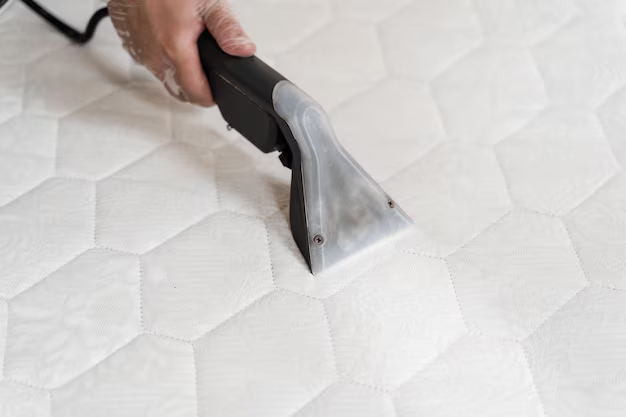
2. Vacuum and dry the surface
- Vacuum the mattress using an upholstery attachment to remove loose spores and dust.
- If the mattress feels damp, let it air dry thoroughly before applying any cleaning solution. Sunlight and moving air can help, as long as the mattress is not left where it can get wet again.
3. Gently clean visible mold spots
Common household cleaners used on mattresses include a light solution of mild detergent mixed with water, or a simple water-and-vinegar mix. Avoid soaking the mattress; too much moisture can make mold worse.
- Mix a mild cleaning solution in a bowl or spray bottle (for example, a small amount of gentle detergent in warm water).
- Lightly dampen a clean cloth with the solution.
- Blot the moldy areas—do not scrub hard, which can push moisture deeper into the mattress.
- Use a second cloth dampened with plain water to wipe away cleaner residue.
- Finish with a dry towel to absorb as much remaining moisture as possible.
4. Thoroughly dry the mattress
This step is crucial. A partly damp mattress can encourage mold to return.
- Stand the mattress on its side in a well-ventilated, dry space.
- Use fans to increase air circulation if available.
- Allow many hours (or a full day) for the mattress to dry before remaking the bed.
If the musty smell or staining remains noticeable even after drying, the mold may be deeper than the surface cleaning can reach.
When should you stop trying to clean and replace the mattress?
Knowing when to use these “How To Get Mold Off a Mattress” tips and when to move on is important. Consider replacing the mattress if:
- Mold covers large areas or shows up in multiple places.
- The mattress was wet for a long time (for example, from flooding or a major leak).
- There is visible mold inside when you gently press or bend the mattress.
- The odor stays strong even after careful cleaning and thorough drying.
In these situations, getting all of the mold out of the mattress layers is very difficult, and continued attempts to clean might not solve the problem.
How can you prevent mold from growing on a mattress?
Once you understand How To Get Mold Off a Mattress, the next step is reducing the chances of it happening again.
Everyday prevention tips
- Keep the bedroom dry: Use ventilation, open windows when possible, and avoid long-term dampness.
- Use a mattress protector: A washable protector can help shield the mattress from spills and sweat.
- Air out the mattress regularly: Pull back bedding during the day to let moisture escape.
- Avoid placing the mattress directly on the floor: Elevating it on a supportive base allows air to flow underneath.
- Clean up spills quickly: Blot, clean, and dry any liquid accidents as soon as possible.
✅ Quick Mattress Takeaways
Key points to remember about How To Get Mold Off a Mattress:
- Identify first: Look for spots, fuzz, and musty odors to confirm possible mold.
- Only clean minor cases: Small, recent, surface-level spots are the best candidates for home cleaning.
- Go gently: Vacuum, lightly clean with a mild solution, and avoid soaking the mattress.
- Dry completely: Long, thorough drying with good airflow is essential to prevent mold from returning.
- Know when to stop: Widespread, deep, or long-standing mold often means the mattress is no longer practical to salvage.
- Focus on prevention: A dry room, mattress protector, proper support, and quick spill cleanup greatly reduce the risk of future mold.
With a calm, step-by-step approach and realistic expectations, you can decide whether to clean a slightly affected mattress or move on from one that has more extensive mold growth.