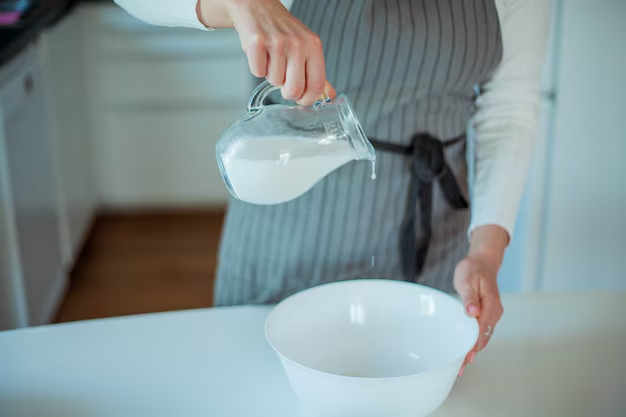
How To Get Milk Out Of a Mattress: Step‑by‑Step FAQ Guide
If you’re searching for “How To Get Milk Out Of a Mattress”, you’re likely dealing with a fresh spill or a stubborn sour smell. Milk can soak deep into mattress layers, so fast, careful cleaning makes a big difference. This FAQ-style guide walks you through what to do, what to avoid, and how to handle odors and stains.
Why is spilled milk on a mattress a problem?
Milk is more than just liquid; it contains proteins, sugars, and fats. When it soaks into a mattress:
- It can leave yellowish stains.
- It may develop an unpleasant sour smell if not cleaned thoroughly.
- Residue can be harder to remove once it dries.
Acting quickly is the easiest way to keep your mattress fresh and avoid long‑lasting odors.
What should I do first when milk spills on my mattress?
1. Blot, don’t rub
Use a clean, dry cloth or paper towels to blot up as much milk as possible. Press down gently and repeatedly.
- Do: Work from the outside of the spill toward the center.
- Don’t: Scrub or rub, which can push milk deeper into the mattress.
2. Remove bedding
Strip sheets, mattress protectors, and blankets right away and wash them according to their care labels.
How To Get Milk Out Of a Mattress: Simple Cleaning Method
Here is a straightforward method many people use for fresh milk spills:
Step 1: Make a mild cleaning solution
Mix:
- 1 cup of cool or lukewarm water
- A few drops of mild liquid dish soap or gentle laundry detergent
Avoid hot water, which can make protein-based stains more difficult to remove.
Step 2: Lightly clean the area
- Dip a clean cloth into the solution and wring it out well.
- Gently dab the stained area, focusing only on the spill zone.
- Blot with a dry cloth to soak up moisture after each pass.
The goal is to slightly dampen the mattress surface, not soak it.
Step 3: Rinse with plain water
Use another cloth dampened with clean water to lightly go over the area. This helps remove soapy residue, which can attract dirt later. Blot dry again.
Step 4: Deodorize with baking soda
Sprinkle a thin, even layer of baking soda over the cleaned spot.
- Let it sit for several hours, or overnight if possible.
- Baking soda helps absorb moisture and neutralize odors.
When finished, vacuum up the baking soda thoroughly.
How do I remove dried milk stains or lingering odor?
If you’re dealing with dried milk or a sour smell:
Try a gentle vinegar solution
- Mix equal parts white vinegar and water (for example, 1 cup each).
- Lightly spray or dab the stained area—do not saturate.
- Let it sit for about 10–15 minutes.
- Blot with a dry cloth to remove excess moisture.
- Apply baking soda over the area afterward and leave it several hours before vacuuming.
Vinegar has a noticeable smell at first but usually fades as it dries.
Can I use enzyme cleaners on milk stains?
Enzyme-based cleaners are often used on milk, sweat, and other organic stains.
- Check your mattress care instructions first.
- Test the cleaner on a small, hidden area to make sure it does not discolor or damage the fabric.
- Apply lightly, following the product directions, and avoid getting the mattress overly wet.
These cleaners are designed to break down proteins, which can be helpful for stubborn milk odors.
How long does it take a mattress to dry after cleaning?
Drying time depends on how much liquid was used and your room conditions. To speed things up:
- Open windows or use a fan to increase airflow.
- If possible, place the mattress in a well‑ventilated room.
- Avoid making the bed again until the area feels completely dry to the touch.
A mattress that stays damp may hold onto odors longer.
What should I avoid when cleaning milk from a mattress?
To protect your mattress:
- Do not pour water or cleaner directly onto the mattress.
- Avoid harsh chemicals like strong bleach on fabric covers, which can damage materials.
- Skip steam cleaning unless your mattress care instructions specifically allow it. High heat and moisture may not be suitable for all mattress types.
How can I prevent future milk spills from ruining my mattress?
While accidents happen, a few simple steps can make cleanup much easier:
- Use a waterproof mattress protector or encasement.
- Limit drinks in bed, especially for young children.
- Keep absorbent cloths or paper towels nearby if spills are likely.
A protector can often take the brunt of spills, so the mattress itself stays clean and dry.
✅ Quick Mattress Takeaways
Key points to remember about How To Get Milk Out Of a Mattress
- Act fast: Blot up fresh milk immediately to limit stains and odor.
- Use mild cleaners: A gentle soap‑and‑water solution works for most fresh spills.
- Don’t soak the mattress: Lightly dampen and always follow with thorough blotting.
- Deodorize with baking soda: Let it sit for hours, then vacuum well.
- For dried spills or bad smells: A diluted vinegar solution or enzyme cleaner (if allowed) can help.
- Dry completely: Ensure the mattress is fully dry before putting sheets back on.
- Protect your mattress: A waterproof protector makes any future cleanup much easier.
With calm, prompt care and the right techniques, getting milk out of a mattress is manageable, and you can keep your sleep surface fresh and comfortable.