How To Dry Wet Mattress: Step‑by‑Step Guide and Common Questions
If you’re searching for “How To Dry Wet Mattress,” you’re likely dealing with a spill, accident, or even a leak. This guide walks you through what to do right away, how to dry different types of mattresses, and when it may be better to replace instead of repair.
What should I do first when my mattress gets wet?
Acting quickly is important. The sooner you start, the better your chances of saving the mattress.
Remove all bedding
Strip sheets, covers, and protectors so you can see how far the moisture has spread.Blot, don’t rub
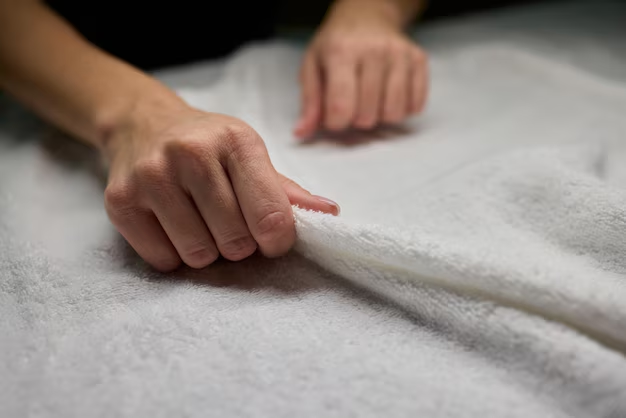
Use clean, dry towels or paper towels to press firmly on the wet area. Rubbing can push moisture deeper into the mattress.Check how deep the water went
Gently press the surface and edges. If it feels damp only on top, it’s usually easier to dry. If the moisture is deep or widespread, it will take more work and may not fully recover.
How To Dry Wet Mattress: What methods actually help?
Can I dry a mattress with fans and air?
Yes. Airflow is one of the safest and most effective ways to dry a wet mattress.
- Stand the mattress up on its side if possible, or prop it with objects so air can move around it.
- Place fans so they blow across the wet area, not just at one spot.
- Open windows or doors for ventilation if the weather allows.
- Let it dry for several hours, checking and rotating the mattress if needed.
This method works for most mattress types and is gentle on the materials.
Is sunlight good for drying a wet mattress?
Sunlight can help evaporate moisture and reduce musty odors, but use it with care:
- Short periods in indirect or mild sunlight can be helpful.
- Avoid leaving foam mattresses in strong direct sun for long periods, as this may affect the material over time.
- If using sunlight, combine it with airflow from fans for faster drying.
Can I use a hair dryer, heater, or dehumidifier?
Hair dryer or heat gun
Using a hair dryer on low heat from a distance can help on small, localized wet spots, but:
- Avoid high heat or holding it too close, which may damage fabric or foam.
- Move it constantly and don’t concentrate on one area for too long.
Space heater
A space heater can gently warm the air in the room, which may support drying, but:
- Keep it at a safe distance from the mattress.
- Never leave it unattended.
- Use it mainly to improve overall room temperature, not to blast heat on one spot.
Dehumidifier
A dehumidifier can be very helpful, especially in humid climates:
- Place it in the same room as the mattress.
- Close windows so it can more effectively remove moisture from the air.
- Combine it with fans for best results.
Does the type of liquid matter?
Yes. How To Dry Wet Mattress depends partly on what caused the moisture:
- Clean water (from a spilled glass, open window, or minor leak) is usually easier to manage.
- Colored drinks, urine, or other liquids may leave stains or smells even after the mattress is dry.
- Flood water or heavily contaminated water may carry dirt and other substances that are very difficult to remove from inside the mattress.
In cases of dirty or contaminated water, many people choose to replace the mattress rather than risk lingering odors or deep contamination.
When is a wet mattress too far gone?
Sometimes drying is not enough. Consider whether:
- The mattress feels heavy and saturated throughout, not just in one area.
- There is visible mold, mildew, or strong musty smell that returns even after thorough drying.
- The water came from a flood, sewage backup, or unknown source and has soaked deeply.
In these situations, fully restoring the mattress can be challenging, and it may not be practical or safe to continue using it long term.
How long does it take to dry a wet mattress?
Drying time varies. It depends on:
- Amount of water absorbed
- Mattress thickness and materials
- Room temperature, humidity, and airflow
A lightly damp area might feel dry in several hours. A more deeply soaked mattress can take a day or longer of continuous airflow. It’s important to allow enough time. A mattress that feels dry on the surface may still be damp inside.
How can I tell when the mattress is fully dry?
To check:
- Press firmly on and around the previously wet areas.
- Compare the feel and temperature to dry parts of the mattress.
- Check the sides and underside, not just the top.
- Watch for ongoing odor; a persistent musty smell can mean moisture remains inside.
If you’re unsure, continue drying with fans and airflow rather than putting bedding back on immediately.
How can I prevent mattress damage next time?
While accidents happen, you can lower the risk of serious damage:
- Use a removable, washable mattress protector to shield against spills or accidents.
- Avoid placing drinks directly on the bed.
- Check for leaks from windows, ceilings, or walls near the mattress.
- Let small spills air out quickly instead of covering them up with bedding.
✔️ Quick Mattress Takeaways
Key points consumers should understand about How To Dry Wet Mattress
- Act fast: Strip bedding and blot moisture immediately to limit how deep it soaks in.
- Use airflow: Fans, ventilation, and a dehumidifier are often the safest and most effective ways to dry a mattress.
- Be careful with heat: Gentle warmth can help, but avoid high heat directly on the mattress.
- Check depth of damage: A surface spill is easier to dry than a fully saturated mattress.
- Watch for warning signs: Strong, lingering odors, visible mold, or dirty flood water often mean the mattress may not be practical to save.
- Allow extra time: A mattress can feel dry on top while still damp inside; keep drying longer if you’re unsure.
- Think prevention: Protectors, prompt cleanup, and checking for leaks can reduce future damage.
With patience, airflow, and careful checking, many lightly to moderately wet mattresses can be dried and used again safely, while heavily soaked or contaminated mattresses may be better candidates for replacement.