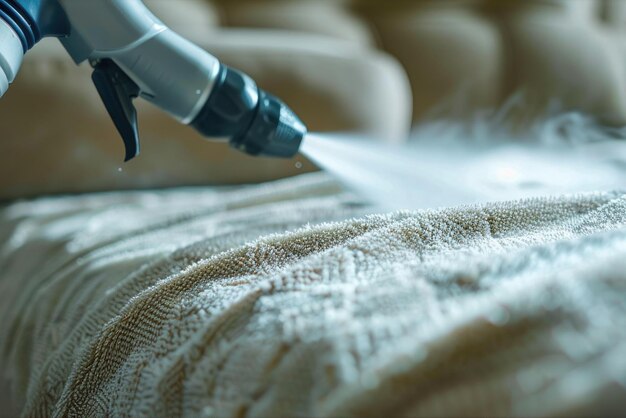
How To Disinfect Mattress: Safe, Simple Steps for a Fresher Bed
If you’re searching for “How To Disinfect Mattress”, you’re likely dealing with spills, odors, or just want to freshen up your sleep surface. This guide walks through what “disinfecting” realistically means for a mattress, what methods are safe, and how to care for your bed without damaging it.
What Does It Really Mean To “Disinfect” a Mattress?
Household mattresses are porous and layered, which means they can’t be fully sterilized in the way hard surfaces can. When people ask how to disinfect a mattress, they usually want to:
- Reduce everyday germs and surface contamination
- Remove odors from sweat, spills, or pets
- Clean up after accidents (like urine or vomit)
- Freshen the mattress after illness or long-term use
The goal is usually surface-level disinfection and deep cleaning, not complete elimination of all microorganisms.
How To Disinfect Mattress: Step‑by‑Step Guide
1. Start With Basic Cleaning
Before any disinfecting:
- Strip all bedding – sheets, protectors, and covers.
- Vacuum the mattress surface slowly using an upholstery attachment. Pay attention to seams and edges where dust and debris collect.
- Spot clean stains with a small amount of mild soap and water.
- Lightly dampen a cloth, blot the stain, and avoid soaking the mattress.
- Blot dry with a clean towel.
This basic cleaning removes dirt and debris so any disinfecting step is more effective.
2. Can You Use Disinfectant Sprays on a Mattress?
Many people wonder if they can spray regular household disinfectant directly on a mattress. Here are some general points to consider:
- Check the label: Only use a spray that clearly indicates it is suitable for soft surfaces.
- Avoid soaking: Mattresses do not dry quickly inside. Too much liquid can lead to lingering moisture and potential damage.
- Spot test first: Test a small, hidden area to check for discoloration or fabric damage.
If you choose to use a disinfectant spray:
- Lightly mist the surface from a distance.
- Keep the mattress well ventilated while it dries.
- Allow ample drying time before making the bed again.
3. Natural Methods: Can Baking Soda or Vinegar Disinfect?
Common household products can freshen a mattress but do not function like medical disinfectants.
Baking soda:
- Helps absorb odors and some moisture.
- Sprinkle over the mattress surface, leave for several hours, then vacuum thoroughly.
White vinegar (diluted):
- Sometimes used in cleaning for its deodorizing properties.
- Should be applied sparingly, with a lightly damp cloth, and followed by good ventilation and drying time.
These approaches can improve smell and surface cleanliness, but they should not be seen as complete disinfection methods.
4. What About Steam Cleaning a Mattress?
Steam cleaners are often used on upholstery, so it’s natural to ask about them for mattresses.
- High heat steam can help break down dirt and refresh the surface fabric.
- Excessive moisture is a risk: if the mattress stays damp inside, it may take a long time to dry.
If using a steam cleaner:
- Use the lowest moisture setting that still produces meaningful steam.
- Move slowly but keep the head moving to avoid soaking spots.
- Allow extended drying time, ideally several hours with good airflow.
Not all mattress types tolerate steam equally well, so checking your mattress care instructions is wise.
5. How Often Should You Disinfect Your Mattress?
Most sleepers do not need to “disinfect” a mattress frequently. Instead, a regular care routine tends to work well:
- Weekly: Wash sheets and pillowcases.
- Every 1–3 months:
- Vacuum the mattress surface.
- Sprinkle and vacuum baking soda for odor control if desired.
- As needed:
- Spot clean spills or accidents promptly.
- Use a light disinfecting step when there has been a clear source of contamination (for example, after illness or serious spills).
This type of routine focuses on cleanliness and freshness rather than constant disinfecting.
6. How To Handle Spills, Accidents, or Illness
When something significant happens on the mattress, many people look up how to disinfect mattress quickly. Here’s a simple approach:
- Act fast: Blot, don’t rub, to absorb as much liquid as possible.
- Use mild soap and water to clean the affected spot.
- Apply an appropriate surface disinfectant, used lightly, if you feel it’s necessary and the product is safe for fabric.
- Dry thoroughly:
- Open windows, run a fan, or use gentle airflow.
- Avoid covering the mattress until it feels completely dry.
7. How Can You Keep a Mattress Cleaner Over Time?
Preventive care reduces how often you need to think about how to disinfect mattress at all:
- Use a removable, washable mattress protector.
- Rotate the mattress periodically if the design allows it.
- Avoid eating or drinking in bed to reduce spill risks.
- Keep pets’ paws and fur as clean as practical if they share the bed.
These small habits can significantly slow down buildup of odors and surface grime.
✔️ Quick Mattress Takeaways
Key points consumers should understand about How To Disinfect Mattress
- Full sterilization isn’t realistic for mattresses; focus on surface cleaning, odor control, and moisture management.
- Vacuum first before any disinfecting to remove dust and debris.
- Use disinfectant sprays carefully, in light amounts, and only if labeled as safe for soft surfaces.
- Avoid soaking the mattress with any liquid, including water, cleaners, or steam.
- Baking soda helps with odors, but it is primarily a deodorizer, not a complete disinfectant.
- Good ventilation and thorough drying are essential after any wet cleaning step.
- Regular care and a good protector reduce the need for frequent disinfecting and help keep your mattress fresher for longer.
With these guidelines, you can approach how to disinfect mattress in a calm, practical way that protects both your sleep surface and your peace of mind.