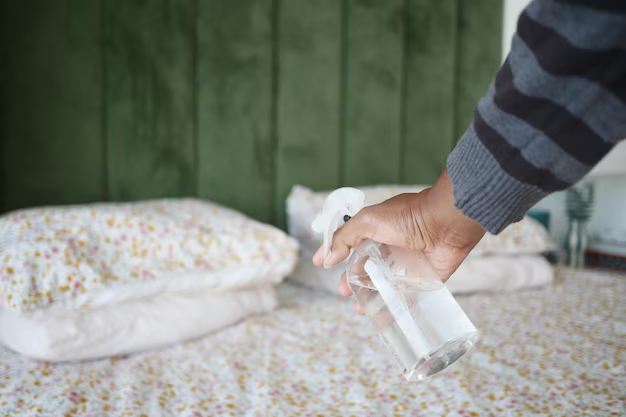
How To Deodorize Mattress: Simple Steps to Remove Odors and Keep It Fresh
If you’re searching for “How To Deodorize Mattress”, you’re likely dealing with musty smells, sweat, spills, or pet accidents. This guide walks through practical, at-home methods to neutralize odors, prevent them from coming back, and care for your mattress over time.
What Causes Mattress Odors in the First Place?
Mattresses naturally absorb:
- Sweat and body oils
- Spilled drinks or food
- Pet accidents
- Everyday dust and humidity
Over time, these can lead to a stale or unpleasant smell, especially if the mattress is not regularly aired out or protected.
Understanding the source helps you decide how to deodorize a mattress effectively, rather than just covering up the scent.
How To Deodorize Mattress: Step‑by‑Step
1. Strip and Air Out the Mattress
- Remove all bedding, including mattress protectors.
- Let the mattress air out for at least a few hours, ideally near an open window or in a well‑ventilated room.
- Wash sheets and covers according to their care labels so you are not putting odors back on a fresh mattress.
Why this matters: Fresh air helps reduce mild odors and moisture before you apply any deodorizing methods.
2. Use Baking Soda to Neutralize Everyday Smells
One of the most common answers to How To Deodorize Mattress is baking soda.
How to use it:
- Lightly vacuum the mattress surface with an upholstery attachment to remove dust and debris.
- Sprinkle a thin, even layer of baking soda over the entire mattress surface.
- For stronger odors, gently rub baking soda into the fabric with your hand.
- Leave it for at least 2–8 hours; longer contact time can be more effective for persistent smells.
- Vacuum thoroughly to remove all baking soda residue.
Why it helps: Baking soda is widely used in homes to absorb and neutralize odors, rather than just masking them.
3. Spot-Treat Spills and Stains (Without Soaking)
Odors often linger where there has been a spill or accident.
Basic spot‑treating steps:
- Blot fresh spills immediately with a clean, dry cloth (do not rub).
- Use a mild cleaning solution (such as a small amount of gentle detergent diluted in water) and lightly dab the area.
- Blot with a dry cloth to remove excess moisture.
- Allow the spot to dry completely before making the bed.
Avoid over‑wetting the mattress. Too much moisture can lead to lingering dampness and may contribute to musty smells.
4. What About Vinegar or Other Household Deodorizers?
Some people use diluted white vinegar in a spray bottle to lightly mist smelly areas, then let them air dry before using baking soda. This can help with certain odors, but:
- Always test a small hidden area first.
- Do not saturate the mattress.
- Ensure thorough drying in a ventilated space.
Avoid harsh chemicals or anything that might damage the mattress fabric or internal materials. When in doubt, stick to vacuuming, baking soda, and gentle spot cleaning.
How Often Should You Deodorize a Mattress?
For many sleepers, a light deodorizing routine works well:
- Every 1–3 months: Vacuum and apply baking soda for general freshness.
- After any spill or accident: Spot clean immediately and then deodorize the affected area.
- During seasonal bedding changes: Air out the mattress by removing covers and opening windows when possible.
Regular care makes each deodorizing session easier and helps odors from building up.
Can You Deodorize All Types of Mattresses the Same Way?
The basic principles of How To Deodorize Mattress are similar across many mattress types, but there are a few things to keep in mind:
- Foam mattresses: Be extra careful not to soak the surface. Foam can hold moisture longer.
- Hybrid or innerspring: Vacuum thoroughly to remove dust from quilted tops and seams.
- Pillow‑top or tufted designs: Use upholstery attachments and gentle motions to avoid pulling at the fabric.
Whenever possible, check the care instructions that came with your mattress for any specific cleaning warnings.
How To Prevent Odors From Coming Back
Deodorizing works best when paired with simple preventive habits:
- Use a washable mattress protector to create a barrier against sweat, spills, and oils.
- Wash sheets and pillowcases regularly.
- Let your bed air out for a short time before making it in the morning.
- Keep food and drinks away from the bed when possible.
- Address accidents or spills as soon as they happen.
These small steps can significantly reduce how often you need a deep deodorizing session.
✅ Quick Mattress Takeaways
Key points consumers should understand about How To Deodorize Mattress:
- Air first, then deodorize: Strip the bed, ventilate the room, and let the mattress breathe before applying any products.
- Baking soda is a go‑to option: Sprinkle, let sit for several hours, then vacuum to neutralize common odors.
- Avoid excess moisture: Lightly spot clean; do not soak the mattress, especially foam models.
- Focus on odor sources: Treat spills, sweat spots, or pet accidents promptly for better long‑term freshness.
- Make it routine: Deodorizing every few months, plus regular washing of bedding, helps keep smells from building up.
- Use protectors and good habits: A mattress protector and simple daily care can greatly cut down on odors over time.
With these steps, How To Deodorize Mattress becomes a straightforward part of regular mattress use and care, helping your sleep surface stay fresher and more comfortable for longer.