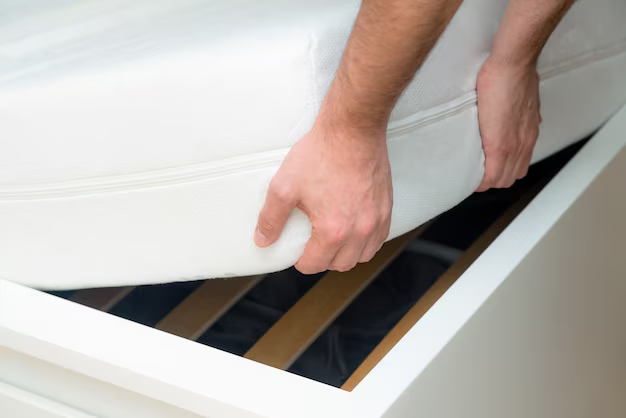
How To Check For Bed Bugs In Mattress: Simple Steps To Know For Sure
If you’re searching for “How To Check For Bed Bugs In Mattress,” you’re likely worried about strange bites, small stains, or something crawling at night. This guide walks you through exactly how to inspect your mattress calmly and carefully, using simple tools and clear signs to look for.
What Are Bed Bugs and Why Do They Hide in Mattresses?
Bed bugs are small, flat, reddish-brown insects that feed on blood, usually at night. Mattresses, bed frames, and nearby furniture are common hiding spots because they offer:
- Easy access to sleeping humans
- Dark seams and folds to hide in
- Minimal disturbance during the night
Knowing where and how they hide is the first step in understanding how to check for bed bugs in mattress properly.
How To Check For Bed Bugs In Mattress: Step-by-Step
You don’t need special equipment to start. A bright flashlight and a flat card (like a credit card) are usually enough.
1. Prepare Your Sleeping Area
- Remove all bedding: sheets, blankets, mattress protectors, and pillowcases.
- Place them in a bag or laundry basket to keep them contained until washed.
- Make sure the room is well lit so you can see small details clearly.
2. Inspect the Mattress Surface
Start with the areas where bed bugs are most likely to hide.
Focus on:
- Top and bottom surfaces
- All four sides
- Corners and edges
You’re looking for:
- Live bugs: small, oval, and flat; usually brownish or reddish after feeding.
- Dark spots: tiny black or dark brown dots that may be bed bug droppings.
- Reddish stains: small blood marks from crushed bugs.
3. Check Seams, Piping, and Tufts
Bed bugs love tight, hidden spots. Carefully inspect:
- Seams along the edges
- Piping (raised edges around the mattress)
- Tufted areas where the fabric is pulled in with stitching
Use the edge of a card to gently drag along seams. This can help expose insects or eggs hidden in tiny gaps.
Where Else Should You Look Around the Mattress?
4. Examine the Mattress Labels and Handles
Labels, tags, and sewn-on handles create folds where bugs can hide. Lift and check underneath:
- Fabric tags
- Side handles
- Any folded or stitched areas
5. Inspect the Box Spring or Bed Base
If you have a box spring or base beneath your mattress, check:
- The top surface and corners
- Fabric staples and edges
- Any tears in the fabric where bugs could crawl inside
You may find:
- Light-colored shells (shed skins)
- Clusters of tiny white eggs near seams or tears
6. Look at the Bed Frame and Nearby Areas
Bed bugs don’t stay only in the mattress. While you’re checking, also look at:
- Bed frame joints, screws, and corners
- Headboard and footboard (front and back)
- Cracks between the wall and bed
- Nearby nightstands or the edges of carpets close to the bed
What Are the Most Common Signs of Bed Bugs in a Mattress?
Here’s a simple overview of what you might see:
| Sign | What It Looks Like |
|---|---|
| Live bed bugs | Small, flat, brownish insects |
| Dark spots | Tiny black/dark dots (possible droppings) |
| Reddish stains | Small blood marks on fabric |
| Shed skins | Pale, empty shells of small bugs |
| Tiny white eggs | Very small, white, oval specks near seams |
If you recognize two or more of these signs together, there’s a stronger chance that bed bugs may be present in or around your mattress.
How Often Should You Check Your Mattress for Bed Bugs?
Many people check when they notice new bites, small stains, or a musty odor around the bed. It can also be useful to inspect:
- After traveling and staying in hotels or guest rooms
- After bringing secondhand furniture into your home
- If someone else in your building reports bed bugs
Regular, quick checks can help you spot a problem earlier, when it’s more manageable.
What If You’re Not Sure What You’re Seeing?
It’s common to confuse bed bug signs with other insects or simple fabric marks. Consider:
- Size and shape: Bed bugs are usually about the size of an apple seed when fully grown.
- Location: Clusters of dark spots or shed skins close to seams and edges are more suspicious than a single random mark.
- Patterns: Multiple small stains or dots in one area often deserve a closer look.
If you’re uncertain, you can carefully collect what you find in a small, sealed container for closer visual examination or professional review.
What Should You Avoid When Checking for Bed Bugs?
When learning how to check for bed bugs in mattress, avoid:
- Ripping or cutting your mattress to look inside
- Using harsh chemicals or sprays during inspection
- Panicking and throwing away your mattress before confirming
These steps can make things harder to manage and may not solve the underlying issue.
✔️ Quick Mattress Takeaways
Key points consumers should understand about How To Check For Bed Bugs In Mattress
- Start with the basics: remove bedding, use good lighting, and inspect all surfaces.
- Focus on hiding spots: seams, piping, edges, tags, and tufts are the most important areas.
- Look for multiple signs: live bugs, dark spots, shed skins, and small stains together are more telling than a single mark.
- Expand your search: also check the box spring, bed frame, headboard, and nearby furniture.
- Stay calm and methodical: a careful, step-by-step inspection is more effective than a rushed, panicked search.
By following these simple steps on how to check for bed bugs in mattress, you can better understand what’s happening in your sleeping space and take informed next steps if you find anything suspicious.