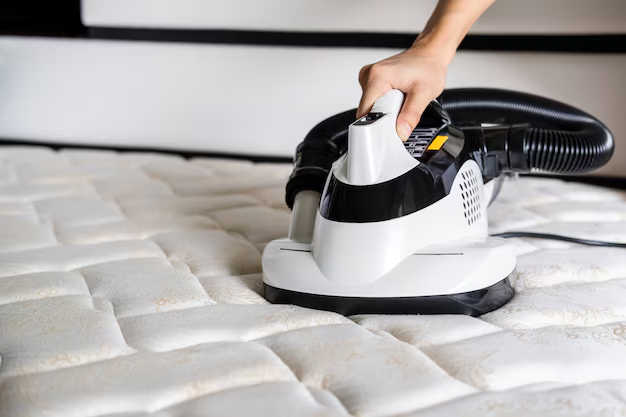
How Much Dead Skin Is In a Mattress? What Really Builds Up Over Time
If you’ve ever wondered “How Much Dead Skin Is In a Mattress”, you’re not alone. It can be uncomfortable to think about what might be hiding inside something you sleep on every night, but understanding it can help you keep your bed cleaner and more comfortable.
This FAQ-style guide explains how dead skin ends up in your mattress, why it matters, and what you can realistically do about it.
What does “dead skin in a mattress” actually mean?
Your body naturally sheds tiny flakes of skin all day and night. When you sleep, some of those flakes fall onto your sheets, work their way through the fabric, and gradually settle into the mattress surface and comfort layers.
Over years of regular use, a typical mattress can contain:
- A mix of dead skin flakes
- Dust and lint
- Clothing fibers
- Natural body oils and sweat that soak into fabrics
- Dust mites and other household particles
So when people ask “How Much Dead Skin Is In a Mattress”, they are really asking how much buildup is normal and whether they should be worried.
Can you estimate how much dead skin is in a mattress?
There is no precise, universal amount of dead skin in every mattress, because it depends on several factors:
- Age of the mattress – older mattresses have had more time to collect skin and dust.
- How often it’s used – a guest bed collects less than a daily-use bed.
- Bedding and protection – mattress protectors and thicker sheets can slow down buildup.
- Cleaning habits – how often you wash bedding and vacuum the mattress surface.
What can be said safely is that some dead skin buildup is normal in any mattress that’s slept on regularly. Over many years, this can become a noticeable part of the dust and particles inside the mattress, but it is only one component of the overall material that accumulates.
Why does dead skin in a mattress matter?
For most people, the main concerns are:
- Hygiene and freshness – a buildup of dead skin and dust can make the bed feel less fresh over time.
- Dust mites – dust mites commonly live where skin flakes are present, because it can serve as a food source for them.
- Odor and comfort – trapped moisture, oils, and dust may contribute to smells or a “stale” feeling if the mattress is not well cared for.
While mattresses naturally age, good care routines can limit how much debris builds up and keep the sleep surface more pleasant.
How does dead skin actually get into a mattress?
Even if your sheets look clean, skin and debris can slowly move downward.
Common ways skin flakes end up inside
- Through gaps in the fabric: Most mattress covers are breathable, which also allows tiny particles to pass through.
- Through stitching and seams: Seams can act as entry points for dust and skin flakes.
- Over long periods of use: With years of sleeping, turning, and moving, particles are gently pressed into the top layers.
This is why age and use have such a big impact when considering How Much Dead Skin Is In a Mattress.
How can you tell if your mattress has a lot of buildup?
You usually can’t see dead skin itself, but you may notice signs of general accumulation:
- The mattress looks discolored or stained in high-contact areas.
- There is a persistent musty or stale odor, even with clean sheets.
- The surface feels less fresh or slightly dusty when changing bedding.
- The mattress is significantly older (often well past its typical use period).
These signs don’t measure the exact amount of dead skin, but they suggest a long history of use and buildup of various particles.
What can you do to reduce dead skin in your mattress?
You can’t stop your body from shedding skin, but you can limit how much reaches the mattress and how long it stays there.
Simple habits that help 🧼
Use a mattress protector
A zipped or fitted protector creates a barrier that catches much of the dead skin and sweat before it reaches the mattress itself.Wash sheets regularly
Washing pillowcases and sheets on a consistent schedule removes a lot of skin flakes before they migrate downward.Vacuum the mattress surface
Using a vacuum with an upholstery attachment on the mattress surface can help remove dust and loose particles.Air out your mattress
Occasionally leaving the mattress uncovered for a few hours can help moisture evaporate and the surface feel fresher.Rotate or flip when possible
If your mattress design allows, rotating or flipping can spread out wear and contact areas.
These steps don’t eliminate dead skin entirely but can manage buildup and keep the sleep surface feeling cleaner for longer.
When does mattress age become more important than dead skin?
At some point, overall mattress age and wear matter more than simply asking How Much Dead Skin Is In a Mattress. Over many years, the internal materials can compress, the surface may sag, and the accumulated debris can be substantial.
Common signs a mattress may be past its best include:
- Noticeable sagging or impressions
- Ongoing discomfort or unrestful sleep that seems linked to the bed
- Visible stains, heavy discoloration, or odors that don’t improve with normal cleaning
When these signs appear, it’s less about removing dead skin and more about the natural lifespan of the mattress itself.
✔️ Quick Mattress Takeaways
Key points to understand about How Much Dead Skin Is In a Mattress:
- Every used mattress contains some dead skin – it’s a normal result of regular sleep.
- The amount depends on age, usage, bedding protection, and cleaning habits.
- Dead skin is just one part of what collects in a mattress, along with dust, fibers, and moisture.
- You can limit buildup with a mattress protector, regular sheet washing, and occasional vacuuming.
- If a mattress is very old, sagging, or heavily discolored, general wear and age matter more than the exact amount of dead skin.
Understanding what naturally accumulates in a mattress over time helps set realistic expectations. With simple, steady care, you can keep your bed feeling cleaner and more comfortable, even though some level of dead skin inside the mattress is completely normal.