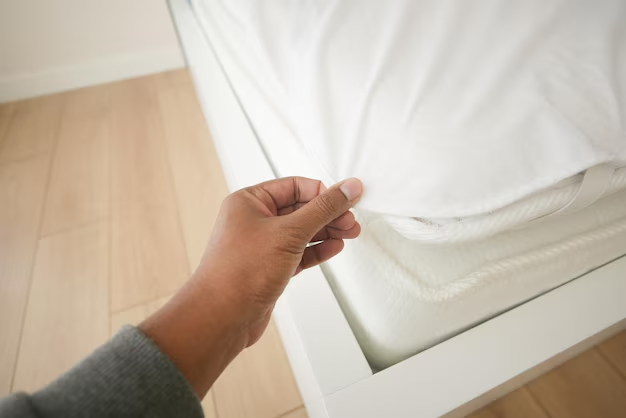
How Do You Know If You Need a New Mattress? Clear Signs to Look For
If you’re wondering “How Do You Know If You Need a New Mattress”, you’re likely noticing aches, restlessness, or visible wear and tear. This guide walks through the most common signs, simple checks you can do at home, and how to tell if your mattress is the problem—or if something else might be going on.
What Does It Really Mean to “Need” a New Mattress?
Needing a new mattress usually comes down to comfort, support, and condition. A mattress doesn’t have to look destroyed to be past its best.
You may need a new mattress when:
- Your body no longer feels well-supported.
- You wake up feeling worse than when you went to bed.
- The surface shows sagging, lumps, or other damage.
These are practical, everyday clues that your mattress is no longer doing its basic job: providing a stable, comfortable surface for restful sleep.
How Do You Know If You Need a New Mattress: The Top Warning Signs
1. You Wake Up Sore or Stiff
If you often wake up with new or unusual stiffness, pressure, or discomfort that improves as you move around during the day, your mattress may not be supporting you evenly.
While many factors can affect how your body feels, a worn-out mattress often:
- Lets your hips or shoulders sink too deeply.
- Feels too hard in some spots and too soft in others.
- No longer keeps your spine in a reasonably neutral position.
If your discomfort mainly shows up in the morning and eases later, the sleep surface is worth examining.
2. You See Sagging, Lumps, or Deep Impressions
Physical changes in your mattress are one of the clearest signs. Look for:
- Visible sagging in the middle or where you usually lie.
- Permanent body impressions that don’t bounce back.
- Lumps or ridges you can feel through the cover.
These changes can shift your body out of alignment and create pressure points, even if the mattress still feels “soft” or “plush.”
3. Your Mattress Is Old Enough to Question
Mattresses do not last forever. Over time, materials naturally soften, compress, or break down.
You might ask “How Do You Know If You Need a New Mattress” when your mattress is:
- Well past its typical lifespan for its type (for example, many foam and hybrid mattresses are often replaced roughly around the 7–10 year mark, though this varies).
- Showing clear changes in feel compared with when it was new.
Age alone doesn’t decide everything, but an older mattress plus other signs (like sagging or discomfort) is a strong indicator.
4. You Sleep Better on Other Beds
Notice how you sleep:
- Do you feel more rested after staying in a hotel, guest room, or on a different bed?
- Do morning aches disappear when you’re away from home?
If your body consistently feels better on other mattresses, it suggests your regular mattress may no longer be providing the comfort or support you need.
5. You’re Tossing and Turning More Than Usual
Restlessness can have many causes, but a mattress that’s:
- Too firm or too soft for your preferences,
- Uneven or sagging, or
- Noisy (springs creaking, for example),
can make it harder to settle into a comfortable position and stay there. If you’ve ruled out obvious lifestyle or environment changes, your mattress comfort level might need a second look.
6. Allergies or Sensitivity Feel Worse in Bed
Over time, mattresses can collect dust and other particles. If you notice:
- More sneezing or irritation when you first get into bed or wake up,
- Relief when you spend nights elsewhere,
your mattress might be due for a deep clean or, if it’s quite old, replacement. This is more about age and buildup than the original mattress quality.
Simple At-Home Checks for Mattress Wear
You don’t need special tools. Try these quick tests:
- Visual check: Stand back and look across the surface. Is it mostly flat and even, or does it dip or bow?
- Hand press test: Press down in different areas. Do some spots feel much softer, thinner, or springier than others?
- Edge test: Sit on the edge. If it collapses dramatically or feels unstable, edge support may be breaking down.
If multiple tests reveal clear sagging, big soft spots, or a “hammock” feel, those are strong signs your mattress is past its best.
Is It Always the Mattress? Other Factors to Consider
Before deciding, it can help to think about:
- Pillows: Old or unsupportive pillows can affect comfort and alignment.
- Bed frame or foundation: Bent slats or a broken base can cause dips that feel like mattress problems.
- Recent life changes: Weight changes, injuries, pregnancy, or a new sleeping position can all affect how a mattress feels.
If you improve these other elements and the same problems persist, your mattress is likely a key part of the issue.
✅ Quick Mattress Takeaways
Key points consumers should understand about “How Do You Know If You Need a New Mattress”
- Persistent morning discomfort that eases during the day can signal reduced mattress support.
- Visible sagging, lumps, or deep body impressions are clear signs of wear.
- A noticeably better sleep experience on other beds often points to problems with your current mattress.
- Age plus other warning signs (like restlessness or uneven feel) usually means it’s time to consider a replacement.
- Check pillows, bed base, and recent changes first, but don’t ignore ongoing issues that follow you night after night.
Understanding how to know if you need a new mattress comes down to paying attention to what your body and eyes are telling you: comfort, support, and surface condition. When several of these signs line up, it’s a strong indication that your current mattress may no longer be the right fit for restful, comfortable sleep.