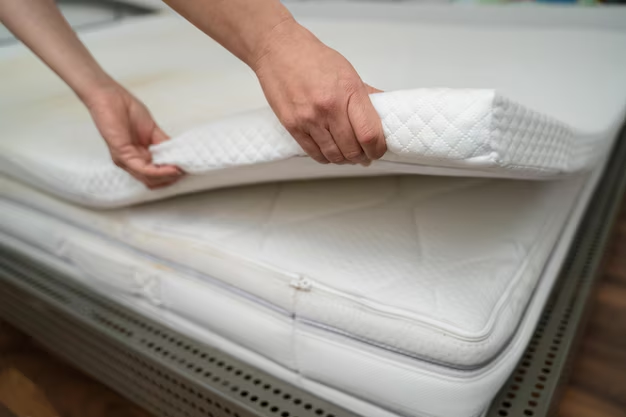
How Do You Keep a Mattress From Sliding? Practical Fixes That Work
If you’re searching for “How Do You Keep a Mattress From Sliding”, you’re likely tired of adjusting your bed every morning—or even waking up halfway off the frame. This guide explains why mattresses slide, what you can do about it, and which solutions work best for different setups.
Why Does a Mattress Slide in the First Place?
Several common factors can cause a mattress to move:
- Smooth bed frame surfaces – Metal or polished wood can be too slick for some mattress covers.
- No side rails or headboard/footboard – Without barriers, the mattress has nothing to “catch” against.
- Improper mattress–base pairing – For example, a flexible mattress on a very smooth platform.
- Worn-out or slippery mattress cover – Older or very smooth fabrics tend to slide more.
- Frequent movement in bed – Tossing, turning, or sitting on the edge can gradually shift the mattress.
Understanding the cause makes it easier to decide how to keep a mattress from sliding in a way that actually lasts.
How Do You Keep a Mattress From Sliding on a Platform Bed?
Platform beds are especially prone to sliding because of their flat, often smooth surfaces.
Use a Non-Slip Grip Layer
One of the simplest methods is placing a non-slip material between the mattress and the platform:
- Rubber-like pads
- Rug grippers
- Non-slip shelf liners (for lighter mattresses)
These create friction without permanently altering the bed. For the best result, choose a pad close to the full size of your mattress surface so the grip is even.
Check Bed Size and Alignment
If the platform is larger than the mattress, there’s extra room for movement. Center the mattress and make sure:
- The platform is level
- Slats (if present) are evenly spaced and secure
- There’s no tilt that encourages sliding in one direction
How Do You Keep a Mattress From Sliding on a Box Spring or Foundation?
When a mattress rests on a fabric-covered box spring or foundation, sliding can still occur, especially with a smooth mattress cover.
Add Friction Between Layers
To improve grip:
- Place a non-slip mat between the mattress and box spring/foundation.
- Avoid extremely slick mattress protectors that reduce friction.
Avoid Overhang
Make sure the mattress is fully supported by the base. When the mattress hangs over the edge, normal movement can push it outward over time.
Are Homemade Fixes Safe and Effective?
Many people try DIY solutions first when figuring out how to keep a mattress from sliding.
Common DIY Options
Some people use:
- Non-slip rug pads cut to size
- Rubber matting
- Textured shelf liners (for smaller or lighter mattresses)
These can be effective as long as they:
- Lay flat with no folds or bunching
- Cover most of the sleeping surface
- Don’t have strong odors or residues that could transfer
⚠️ Avoid methods that could damage your mattress or frame, such as strong adhesives, staples, or anything that might tear the mattress cover.
When Is Hardware or Frame Adjustment Helpful?
Sometimes the issue is more about the bed frame design than the mattress surface.
Add or Adjust Side Rails
For bed frames that allow it, side rails or raised edges can help “cup” the mattress:
- Low rails keep the mattress from sliding sideways.
- A footboard can reduce downward slipping on adjustable or sloped beds.
Tighten All Connections
A loose frame can move with you, which encourages the mattress to shift:
- Check and tighten screws and bolts.
- Make sure the center support is solid and doesn’t flex excessively.
Does Mattress Type Affect How Much It Slides?
Different mattress constructions can behave differently on a given base:
- All-foam mattresses often have softer, more flexible edges that may move more on slick surfaces.
- Hybrid or innerspring mattresses can be heavier, which sometimes helps them stay in place, but they can still slide if the cover is smooth and the base is slick.
In all cases, surface friction and frame design are usually more important than the internal materials.
Do You Need a Mattress Protector or Topper to Stop Sliding?
Mattress protectors and toppers can help—or hurt—depending on the materials.
- A grippy, textured protector can add friction between the mattress and sleeper, reducing surface shifting.
- A very slick protector or topper can allow bedding to move more, but doesn’t usually cause the whole mattress to slide off the frame.
If sliding is your main concern, focus first on the contact between the mattress and the base, then fine-tune with protectors and bedding as needed.
✔️ Quick Mattress Takeaways
Key points consumers should understand about “How Do You Keep a Mattress From Sliding”
- Identify the cause first: slippery base, no rails, mattress–base mismatch, or worn cover.
- Use a non-slip layer between the mattress and base to create friction without damage.
- Make sure the frame is the right size, level, and properly assembled.
- Avoid harsh adhesives or hardware that could tear fabric or void coverage from the manufacturer.
- Consider frame design: side rails, a headboard, or footboard can help hold the mattress in place.
- Check your setup regularly for shifting, especially after moving the bed or changing bedding.
With a few small adjustments, you can usually keep a mattress from sliding and enjoy a more stable, comfortable sleep surface. Starting with non-slip materials and a quick frame check often solves the problem without major changes.