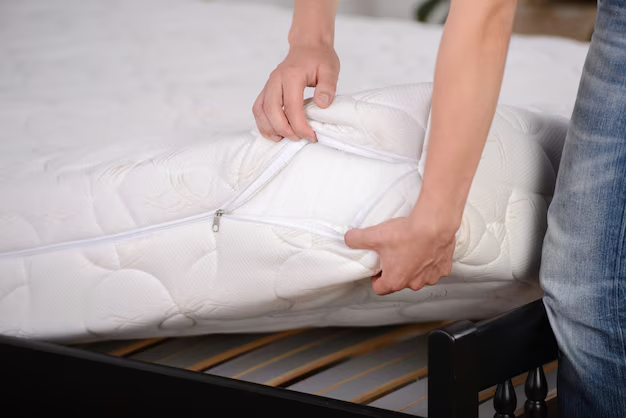
Do I Need a Mattress Pad? How to Decide What’s Right for Your Bed
If you’re asking “Do I need a mattress pad?”, you’re likely trying to figure out whether this extra layer is truly necessary or just a nice-to-have. This guide explains what a mattress pad does, who benefits most from using one, and how it fits into overall mattress use & care.
What Is a Mattress Pad, Exactly?
A mattress pad is a thin layer that sits on top of your mattress but under your fitted sheet. Its main purposes are usually to:
- Add a small amount of cushioning
- Provide a bit of extra protection for the mattress surface
- Adjust the feel slightly (a little softer or smoother)
It’s different from:
- Mattress protector – usually focused on guarding against spills, stains, and allergens
- Mattress topper – thicker, designed mainly to change firmness or comfort level in a noticeable way
When you wonder “Do I need a mattress pad”, you’re really asking whether your mattress could benefit from that extra layer of comfort and light protection.
Do I Need a Mattress Pad for a New Mattress?
For a brand-new mattress, a mattress pad is optional, not mandatory.
You might want a mattress pad if:
- The new mattress feels slightly too firm and you’d like a bit more softness
- You prefer a smoother or different fabric under your sheet than the mattress surface
- You want an additional layer between your body and the mattress for comfort or temperature reasons
However, if your new mattress already feels comfortable and has a breathable, soft cover, you may not feel much difference with a thin pad.
For pure protection (from spills or stains), many people look to a dedicated mattress protector rather than a pad, though some pads do offer light protection.
When Is a Mattress Pad Most Helpful?
You’re more likely to benefit from a mattress pad if:
Your mattress is slightly too firm
A modestly padded layer can make the surface feel a bit more forgiving without drastically changing support.You want to freshen up an older mattress
A mattress pad can’t fix deep sagging or damage, but it can smooth out minor unevenness and make the bed feel cleaner and more comfortable.You like changing the feel of your bed
Some people use different pads in warmer vs. cooler months, or switch materials to find the surface texture they prefer.You want an easy-to-wash layer
Many mattress pads can be removed and laundered more easily than a mattress cover, helping with day-to-day cleanliness.
If none of these points matter much to you, you may not feel a strong need for a pad.
Do I Need a Mattress Pad for Mattress Care and Longevity?
A mattress pad can be part of basic mattress use & care, but it isn’t the only or most important factor.
How a mattress pad can help care for your mattress:
- Adds a light barrier against everyday wear on the surface
- Reduces contact between your skin, lotions, sweat, and the mattress fabric
- May help keep the mattress cover cleaner over time
However, it does not replace other good habits like:
- Rotating or flipping your mattress if the manufacturer recommends it
- Using appropriate support (bed frame and foundation)
- Keeping food and drinks away from the bed to avoid serious spills
If your main concern is protecting your investment, you may want to think of a mattress pad as one helpful layer, not the entire solution.
What Should I Consider Before Buying a Mattress Pad?
If you’re leaning toward using a mattress pad, here are a few practical points to think about:
1. Comfort and Feel
- Thickness: Thinner pads offer subtle changes; thicker pads start to behave more like toppers.
- Material: Different fabrics and fillings can feel cooler, warmer, smoother, or more cushioned.
Ask yourself whether your main question is really “Do I need a mattress pad” or “Do I want to change how my mattress feels?” That distinction guides how thick or plush the pad should be.
2. Care and Maintenance
- Check if it’s machine washable and what temperature is recommended.
- Consider how often you realistically want to remove and wash it.
- Make sure it fits securely so it doesn’t bunch or shift during sleep.
3. Fit and Compatibility
- Confirm the size matches your mattress (including deep-pocket needs).
- Consider whether the pad might change how well your fitted sheets stay in place.
Do Children, Guests, or Shared Beds Need Mattress Pads?
Certain situations make mattress pads especially practical:
- Kids’ beds: A mattress pad can provide a softer feel and an extra washable layer above any protector.
- Guest rooms: A pad can make a basic mattress feel more inviting and help keep the mattress in good condition between uses.
- Shared beds: Couples with different comfort preferences sometimes use a pad to slightly soften the overall feel without changing the mattress itself.
While not required, in these cases a pad is often viewed as a simple way to balance comfort, cleanliness, and flexibility.
✅ Quick Mattress Takeaways
Key points consumers should understand about “Do I Need a Mattress Pad”
- Not strictly necessary: You can use a mattress comfortably and safely without a mattress pad.
- Best for light comfort changes: Pads are useful if you want a little extra softness or a smoother surface.
- Helps with cleanliness: A mattress pad adds a washable layer, which can support basic mattress care.
- Doesn’t fix major issues: Deep sagging, serious wear, or structural problems won’t be solved by a pad.
- Different from a protector: For serious spill and stain protection, many people rely more on a dedicated mattress protector.
- Personal choice: Whether you “need” a mattress pad depends on your comfort preferences, how you use your bed, and how much extra protection you want.
If you’ve been wondering “Do I need a mattress pad?”, the answer usually comes down to comfort and care rather than strict necessity. Think about how your mattress feels right now, how you use your bed day to day, and how much you value an extra washable layer. From there, it becomes a straightforward, personal decision rather than a requirement.