Do I Need a Mattress Cover? How to Decide What’s Right for Your Bed
If you’re asking “Do I Need a Mattress Cover?”, you’re likely trying to protect a new mattress, extend the life of an older one, or solve issues like spills, sweat, or dust. This guide explains what mattress covers do, when they’re worth it, and what to consider so you can make a simple, confident choice.
What Is a Mattress Cover, Exactly?
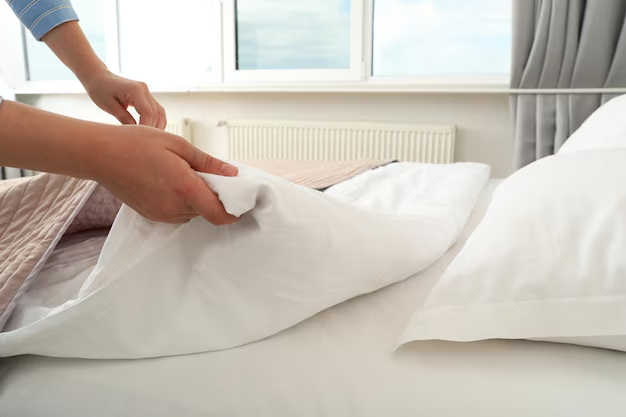
A mattress cover is a removable layer that goes over your mattress, usually underneath your fitted sheet. It’s sometimes called a protector, encasement, or topper cover, but not all of these are identical.
Most mattress covers serve one or more of these purposes:
- Protection from spills, stains, sweat, and general wear
- Barrier against dust and debris
- Comfort tweak (a bit of extra softness, smoothness, or cooling feel)
Unlike a mattress topper, which mainly changes how the bed feels, a mattress cover focuses on protection and cleanliness.
Do I Need a Mattress Cover for a New Mattress?
Many people wonder if they really need a mattress cover when the mattress is brand new.
In most cases, a cover is strongly recommended because:
- Stains are usually permanent. Even small spills or body oils can leave marks that are difficult to remove.
- Surface fabric is hard to clean deeply. Most mattress covers are easier to wash than an entire mattress.
- Some warranties may require a clean, unstained mattress. While details vary, visible stains can sometimes cause issues if you ever need support from the manufacturer.
If you want to keep your new mattress looking and feeling newer for longer, a cover is a simple way to do that.
Do I Need a Mattress Cover on an Older Mattress?
If your mattress is already a few years old, you may still benefit from a cover:
- It can slow further wear, such as pilling or fabric thinning.
- It helps reduce new stains and buildup from sweat or skin oils.
- Some covers add a smoother or slightly cushioned surface, which can make an older bed feel more comfortable.
However, if the mattress is sagging, lumpy, or visibly damaged, a cover will not fix structural issues. It may help with cleanliness and feel, but it won’t restore lost support.
What Types of Mattress Covers Are There?
When asking “Do I Need a Mattress Cover?”, it also helps to understand the main types available.
1. Basic Fabric Protectors
These are simple, non-waterproof covers made from woven or knit fabric.
- Best for: Light protection against dust, skin oils, and everyday wear
- Pros: Breathable, usually quiet, easy to wash
- Cons: Won’t protect against major spills
2. Waterproof or Water-Resistant Protectors
These include a waterproof or water-repellent layer.
- Best for: Homes with kids, pets, or frequent drinks in bed
- Pros: Strong defense against spills, sweat, and stains
- Cons: Some styles can feel or sound less natural, depending on materials
3. Full Encasement Covers
These zip around the entire mattress, covering top, sides, and bottom.
- Best for: Maximum coverage and cleanliness
- Pros: All-over protection against dust and debris, not just the top surface
- Cons: Slightly more effort to remove and put back on for washing
How Do I Know If I Personally Need a Mattress Cover?
Consider your everyday habits and environment. A cover tends to be especially useful if:
- You eat or drink in bed
- You share your bed with children or pets
- Your bedroom is humid or warm, which can increase sweat and wear
- You want to keep resale or donation options open by avoiding visible stains
- You prefer to wash bedding frequently and want an extra washable layer between you and the mattress
If none of these apply and you’re very careful with your bed, you may decide a simple, non-waterproof cover is enough—or that you’ll rely on your sheets alone. The key is matching the level of protection to how you actually use your mattress.
What Should I Look For in a Mattress Cover?
When you’ve answered “Do I Need a Mattress Cover?” with a yes or “probably,” the next step is choosing one. Key points to consider include:
- Fit: Check mattress height so the cover doesn’t pop off the corners.
- Material feel: Smooth vs. textured; cotton-like vs. synthetic.
- Breathability: Important if you tend to sleep warm.
- Noise level: Some waterproof layers are quieter than others.
- Ease of washing: Many people prefer covers that can go in a standard washing machine.
✅ Quick Mattress Takeaways
Key points to understand about “Do I Need a Mattress Cover”
- You don’t strictly need one, but a cover is a simple way to protect your mattress and keep it cleaner.
- New mattresses benefit most from a cover, especially to help prevent permanent stains.
- Waterproof covers are helpful if you have kids, pets, or often drink or snack in bed.
- Basic fabric covers can be enough if you mainly want a washable barrier against everyday wear.
- Older mattresses can still gain freshness and a smoother feel from a cover, but it won’t fix sagging or deep wear.
- Choose based on your habits: the more activity, moisture, or risk of spills around your bed, the more a sturdy cover makes sense.
A mattress is a long-term purchase, and a cover is a relatively small, practical way to help protect it. By thinking through how you use your bed, your environment, and how much protection you want, you can answer “Do I Need a Mattress Cover?” in a way that fits your home, your habits, and your comfort preferences.