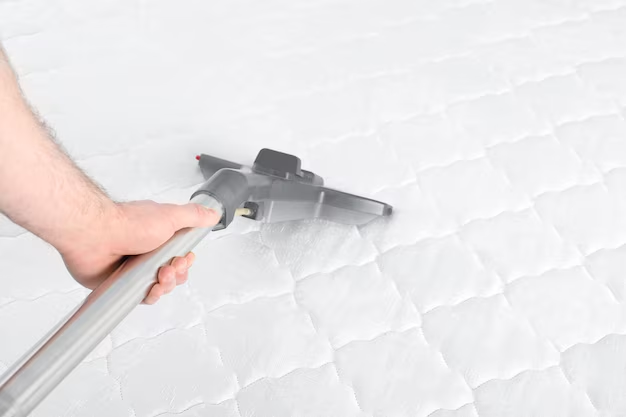
Do Bed Bugs Live In Foam Mattresses? What You Need to Know
If you’re wondering “Do bed bugs live in foam mattresses?”, you’re not alone. Many people assume memory foam or other foam beds are “bed bug proof,” but the reality is more nuanced. This FAQ-style guide explains how bed bugs interact with foam mattresses, what to watch for, and how to protect your sleep space.
Can Bed Bugs Live in Foam Mattresses?
Yes, bed bugs can live on and around foam mattresses, but they do not usually burrow deep into dense foam the way they might hide in seams or gaps.
Bed bugs prefer:
- Tight crevices and dark hiding spots
- Areas close to where people sleep or rest
- Places they can easily leave at night and return to during the day
On a foam mattress, this often means they hide:
- Along the edges and seams of the mattress cover
- In the zipper area of a removable cover
- Between the mattress and bed frame, slats, or headboard
- In nearby furniture, not just the mattress itself
Foam itself is not a food source, and bed bugs don’t chew or tunnel through it. But if there are small gaps, stitching lines, or fabric layers on or around the foam, those can become hiding spots.
Are Foam Mattresses Less Likely to Get Bed Bugs?
Foam mattresses sometimes have a reputation for being less hospitable to bed bugs, mainly because:
- Many are solid and dense, with fewer inner cavities
- Some have minimal quilting or fewer deep seams on the sleep surface
However, foam does not prevent an infestation. Bed bugs are highly adaptable and often live:
- In bed frames and headboards
- Behind baseboards or wall hangings near the bed
- In nightstands or upholstered chairs
So the question “Do bed bugs live in foam mattresses?” is only part of the picture. They may be present on or around the mattress, but the larger sleep area often matters just as much.
Where Do Bed Bugs Hide on a Foam Mattress?
Common hiding spots
On a foam mattress, look closely at:
- Mattress cover seams and piping
- Tufting or stitching patterns, if present
- Labels or fabric tags
- The zipper track of any removable cover
- The gap between mattress and foundation
Even if the foam core is intact, the fabric exterior still offers many small places for bugs to shelter during the day.
How Can I Tell If My Foam Mattress Has Bed Bugs?
Signs can be subtle, especially early on. Common clues include:
- Tiny dark spots on the mattress cover or sheets
- Small, pale or reddish stains where bugs may have been crushed
- Shell-like skins from bed bugs that have molted
- Live bugs, especially around seams, edges, or under the mattress
If you suspect an issue, carefully lift and inspect:
- The top and sides of the mattress
- The underside of the mattress
- The bed base, slats, and headboard
Because bed bugs often spread beyond the mattress, a thorough room check is usually more effective than focusing on only one surface.
Can a Mattress Protector Help Against Bed Bugs?
A well-fitted encasement-style protector can make a difference. While no single measure is guaranteed to solve a serious infestation, encasements can:
- Reduce hiding spots on the mattress surface
- Help trap any bugs inside, cutting off access to new feeding sites
- Make inspection easier, since the surface is simpler and smoother
Look for protectors that are:
- Fully encasing, covering top, sides, and bottom
- Secured with a tightly sewn zipper
- Made from tightly woven fabric that bed bugs cannot easily pass through
Keep in mind the encasement protects the mattress itself; it does not automatically address bugs in other parts of the room.
How Do I Reduce the Risk of Bed Bugs in a Foam Mattress?
Here are simple habits that can help lower risk around foam mattresses and bed bugs:
- Inspect regularly: Check seams, tags, and edges while changing sheets.
- Limit clutter near the bed: Fewer hiding places make inspection easier.
- Keep the bed slightly away from walls: This can reduce easy climbing routes.
- Use a mattress encasement: It can help protect the mattress and highlight activity.
- Be cautious when traveling: Inspect luggage and clothing before placing them on the bed.
These steps are about early detection and prevention, not guarantees. If you suspect a widespread issue, professional help is often needed.
Do I Need to Replace a Foam Mattress If It Has Bed Bugs?
A foam mattress with bed bugs does not always need to be thrown away. Many infestations involve multiple locations in the room, not just the mattress.
People often consider replacing a mattress when:
- It is already old or worn out
- The fabric is torn, with many places for bugs to hide
- There is a severe infestation and the mattress is difficult to treat effectively
Any decision to replace is usually part of a larger plan to address the entire sleeping area, not just one item.
✅ Quick Mattress Takeaways
Key points consumers should understand about “Do Bed Bugs Live In Foam Mattresses”
- Yes, bed bugs can live on and around foam mattresses, mainly in covers, seams, and nearby furniture.
- Dense foam is not a food source, and bugs do not typically burrow through solid foam, but they use fabric layers and gaps to hide.
- Infestations usually involve the whole sleep area, including bed frames, headboards, and nearby items, not just the mattress.
- Regular inspection of seams, tags, and surrounding furniture helps with early detection.
- Encasement-style mattress protectors can reduce hiding spots and make activity easier to spot.
- Replacing a mattress is not always required; it depends on condition, severity, and broader treatment efforts.
By understanding how bed bugs interact with foam mattresses, you can better protect your sleeping environment, inspect more effectively, and respond calmly if you notice signs of activity.