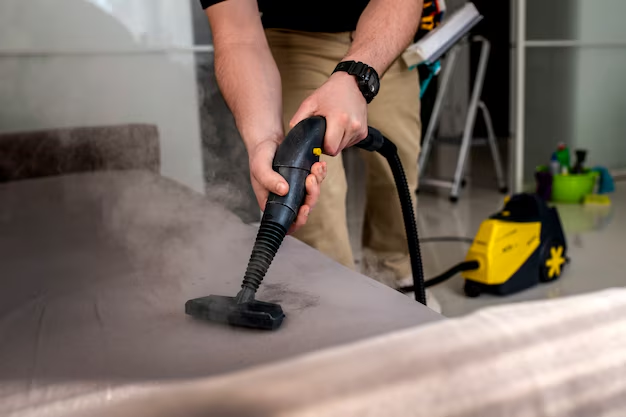
Can You Steam Your Mattress? Safe Use, Risks, and Better Alternatives
If you’re wondering “Can you steam your mattress?”, you’re likely trying to deep clean, remove odors, or deal with bed bugs or dust. Steaming a mattress sounds simple, but it’s not always safe—or effective—depending on the type of mattress and how it’s done.
This FAQ-style guide walks through what you need to know before you point a steam cleaner at your bed.
Can You Steam Your Mattress at All?
You can sometimes steam a mattress, but it depends on the mattress type and the manufacturer’s care instructions.
- Many traditional innerspring mattresses tolerate light surface steaming.
- Foam mattresses (memory foam, latex, hybrids with foam layers) are usually more sensitive to heat and moisture.
- Some warranties or care guides specifically warn against steam cleaning.
Always check the label or care guide first. If instructions say “no steam” or “dry clean only,” it’s safest not to use a steamer.
Is Steaming a Mattress Safe?
What are the main risks of steaming a mattress?
Steaming involves high heat + moisture, which can create problems if overused:
- Moisture trapped inside the mattress, especially deep in foam layers
- Odors that linger if the mattress doesn’t dry fully
- Material damage, such as foam softening, warping, or weakening over time
- Potential warranty issues if steaming is not allowed in the care instructions
If you do steam, light, surface-only passes and thorough drying are essential.
When Does Steaming a Mattress Make Sense?
What can steaming actually help with?
Steaming may help with:
- Surface freshening of fabrics
- Loosening some stains before blotting
- Reducing light odors on the outer cover
However, many people expect steam to solve everything, which leads to a common misconception.
Common misconception: Is steaming the best way to deep clean a mattress?
Not usually. Steaming a mattress is not a complete deep-clean solution. It does not reliably:
- Remove all stains
- Eliminate all allergens
- Fully sanitize the interior
For most routine cleaning, spot cleaning + vacuuming + airing out is typically easier and lower risk than steam.
Can You Steam Your Mattress if It’s Memory Foam or Latex?
Extra caution is needed with foam.
- Memory foam and latex can be damaged by heat and excess water.
- Steam may cause foam to break down faster or lose some of its original feel.
- Moisture can be harder to fully dry inside thick foam layers.
Many foam mattress care tags recommend only spot cleaning with mild solutions and avoiding steam. If the label discourages heavy moisture or steam, follow that guidance.
How to Steam a Mattress More Safely (If Allowed)
If your care instructions don’t forbid it and you still want to steam, keep it light and controlled:
Vacuum first
Remove dust, crumbs, and loose debris from the surface.Use the lowest effective steam setting
Avoid prolonged, intense steaming in one spot.Keep the steamer moving
Use short, quick passes instead of soaking an area.Focus on the cover only
Do not attempt to “saturate” or deeply penetrate the mattress.Allow generous drying time
- Leave the mattress uncovered in a well-ventilated room
- Use fans or open windows if possible
- Wait until it feels completely dry before putting sheets back on
If the mattress still feels cool or damp to the touch after several hours, give it more time.
What Are Better Everyday Alternatives to Steaming?
If you’re unsure whether you can steam your mattress, there are simpler, lower-risk options for regular care:
- Vacuuming the surface to remove dust and debris
- Spot cleaning stains with a mild, water-diluted cleaner and a cloth
- Air drying and airing out the mattress by removing bedding regularly
- Using a washable mattress protector to catch spills and sweat
These methods are usually enough for routine mattress care and help keep the surface cleaner without introducing heavy moisture.
⚖️ Steaming vs. Other Cleaning Methods
| Method | Pros | Cons / Risks |
|---|---|---|
| Light steaming | Freshens surface fabric | Moisture trapped, possible foam damage |
| Vacuuming | Removes dust/debris | Doesn’t treat stains or odors alone |
| Spot cleaning | Targets specific spills/stains | Over-wetting if used too heavily |
| Mattress protector | Prevents many stains and surface wear | Needs regular washing |
✔️ Quick Mattress Takeaways
Key points consumers should understand about Can You Steam Your Mattress
- Check the label first. Care instructions may clearly say if steaming is allowed or discouraged.
- You can steam some mattresses lightly, but it’s not universally safe, especially for foam-heavy designs.
- Excess heat and moisture are the main concerns. They can damage materials or stay trapped inside.
- Steaming is not a cure-all. It helps with light surface freshening, but isn’t a complete deep-clean solution.
- Use gentle passes and let it dry fully if you choose to steam your mattress.
- For most people, vacuuming, spot cleaning, and a mattress protector offer a safer long-term care routine than frequent steaming.
By understanding when and how you can steam your mattress—and when you shouldn’t—you can keep your bed cleaner while protecting its comfort and lifespan.