Can You Put Bleach On a Mattress? Safe Cleaning FAQs Explained
If you’re dealing with a stubborn stain or odor, you might wonder: Can you put bleach on a mattress? This is a common question for anyone trying to deep-clean their bed at home. Below, you’ll find clear answers on when bleach might be used, why it’s usually not recommended, and safer alternatives.
Can You Put Bleach On a Mattress at All?
Technically, you can put bleach on a mattress, but it is usually not recommended.
Bleach is a powerful disinfectant and stain remover, but mattresses are made of porous materials like foam and fabric. That means bleach can:
- Soak in and stay inside the mattress
- Weaken or damage the foam or fabric
- Leave strong, lingering fumes
- Cause discoloration or light patches
For most people, using bleach on a mattress creates more problems than it solves, especially for everyday cleaning or light stains.
Why Is Bleach Risky to Use on a Mattress?
1. It can damage mattress materials
Foam, fibers, and fabric covers are not designed for harsh chemicals. Bleach may break down the structure of these materials, which can affect comfort and durability over time.
2. It’s hard to rinse out
Unlike hard surfaces, a mattress cannot be easily rinsed. Bleach can sit inside the layers, which may lead to:
- Lingering chemical smell
- Potential skin or eye irritation if you’re sensitive to strong chemicals
- Visible rings, spots, or faded areas
3. It may void care recommendations
Most mattress care guidelines suggest spot cleaning with mild soap and water, not bleach or strong solvents. Using bleach may go against typical care instructions.
When Do People Consider Using Bleach on a Mattress?
People often search “Can You Put Bleach On a Mattress” after:
- Spills (like juice, coffee, or other colored liquids)
- Biological stains (such as urine or sweat)
- Concerns about germs or contamination
While bleach can disinfect hard surfaces, on a mattress it’s not a simple wipe-and-rinse situation. For many common mattress issues, other cleaning methods are safer and usually effective enough.
What Should You Do Instead of Using Bleach?
Here are safer, mattress-friendly options you can try first:
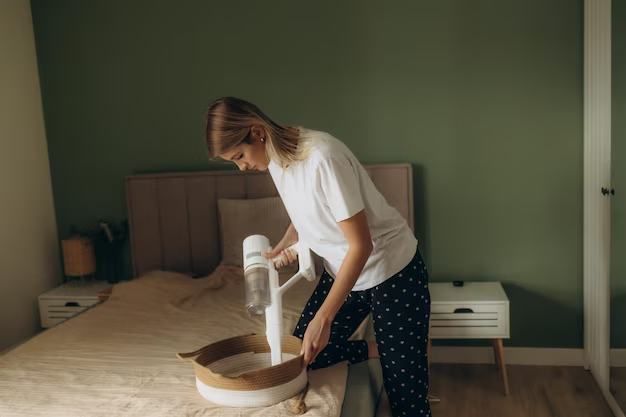
Vacuum the surface
Remove dust, crumbs, and loose debris with the upholstery attachment.Spot clean with mild soap
Mix a small amount of gentle liquid soap with cool water. Dampen (don’t soak) a clean cloth and blot the stain, then blot again with a cloth dampened with plain water.Use baking soda for odors
Sprinkle dry baking soda over the affected area, let it sit for several hours, then vacuum it up.Allow plenty of drying time
Let the mattress air dry completely before putting sheets back on. Good ventilation helps.
These approaches help with most light stains and everyday odors without exposing your mattress to harsh chemicals.
If You Still Decide to Use Bleach, What Should You Consider?
If someone chooses to use bleach despite the risks, they often try to limit contact and moisture. Typical precautions include using very diluted solution, spot-treating only, and ensuring the room is well-ventilated. However, because bleach can still damage materials and is hard to fully remove, it remains a high-risk option for mattress care.
Common Follow-Up Questions About Bleach and Mattresses
Will bleach completely remove mattress stains?
Bleach may lighten certain stains, but it can also:
- Leave noticeable light patches
- Fail to remove the stain fully
- Create uneven coloring on the fabric
For many stains, gentler stain removers or enzyme-based cleaners (used according to their instructions) are less likely to cause visible damage.
Is bleach safe to use on mattress protectors?
Some mattress protectors may have different care instructions from the mattress itself. Many fabric protectors are machine washable, and their labels will usually say whether bleach is allowed. Always:
- Check the care tag
- Follow the exact washing instructions
- Avoid bleach if the label does not specifically allow it
Can bleach get rid of mattress smells?
Bleach can reduce odors on some surfaces, but on a mattress it can trap a different strong smell inside the layers. Odor-focused approaches like baking soda and thorough drying are usually more practical for mattresses.
✅ Quick Mattress Takeaways
Key points consumers should understand about “Can You Put Bleach On a Mattress”
- Bleach on a mattress is generally not recommended because it can damage foam and fabrics.
- Mattresses are hard to rinse, so bleach can stay inside and leave strong fumes or residue.
- Discoloration and light patches are common side effects of using bleach on fabric covers.
- Mild soap, water, and baking soda are safer options for most stains and odors.
- Always keep moisture minimal when cleaning a mattress to avoid mold and material damage.
- If you are unsure how to treat a specific stain, following basic, gentle cleaning steps is usually the safest starting point.
Using bleach on a mattress might seem like a quick fix, but it often creates new issues with damage, smell, and discoloration. Gentle, low-moisture cleaning methods are usually a better fit for keeping your mattress fresh and in good condition over time.