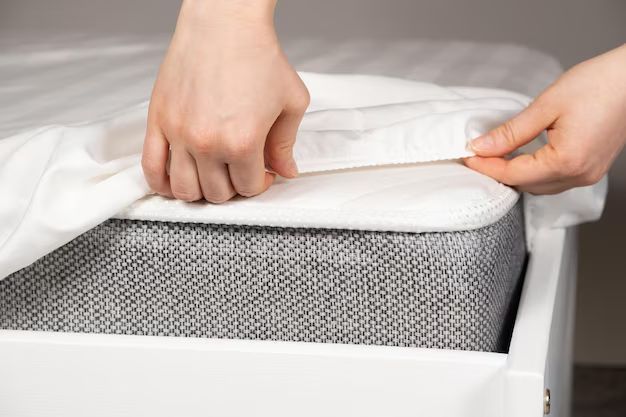
Can You Put a Mattress Protector In The Dryer? Care Tips and FAQs
If you’re wondering “Can You Put a Mattress Protector In The Dryer?”, you’re not alone. Mattress protectors deal with spills, sweat, and daily use, so washing and drying them correctly is important for both hygiene and lifespan. This FAQ-style guide walks through when it’s safe, what settings to use, and how to avoid damage.
Can You Put a Mattress Protector In The Dryer At All?
In many cases, yes, you can put a mattress protector in the dryer—but it depends on the materials and the care label.
Most fabric-only protectors (like cotton or polyester without a waterproof layer) can be tumble-dried on low to medium heat. However, mattress protectors with a waterproof backing (often polyurethane or similar) are more sensitive to heat. High temperatures can:
- Melt or crack the waterproof layer
- Cause peeling, sticking, or stiffness
- Shorten the overall lifespan of the protector
Because of this, always read the care label first. The label gives the most reliable answer for your specific protector.
How Do I Know If My Mattress Protector Is Dryer-Safe?
Look for symbols or wording on the tag. Common instructions include:
- “Tumble dry low” → Dryer is OK, but keep it gentle and low heat.
- “Line dry” or “Air dry only” → Avoid the dryer entirely.
- “Do not tumble dry” → Using a dryer may damage the protector or void its warranty.
If the tag is faded or missing and you’re unsure, air drying is the safest option, especially for waterproof protectors.
What Dryer Settings Should I Use?
If your care label confirms that you can put a mattress protector in the dryer, follow these general guidelines:
Recommended Settings
- Heat level: Low or no heat
- Cycle: Delicate or gentle
- Time: Short cycles; check periodically rather than running a long, hot cycle
To help it dry evenly, you can add a couple of clean, dry towels to the load. Avoid overcrowding the dryer so air can circulate around the protector.
What If My Mattress Protector Has a Waterproof Layer?
This is where the question “Can You Put a Mattress Protector In The Dryer” matters most.
Waterproof mattress protectors often use a thin membrane bonded to the fabric. Too much heat can cause:
- Warping or bubbling
- Separation between fabric and backing
- Loss of waterproof performance
For waterproof protectors:
- Use low or no heat only if the label allows tumble drying.
- Consider partially air drying: let it drip or line dry until mostly dry, then finish on a short, low-heat dryer cycle to soften the fabric.
- Never use high heat or long, hot sanitizing cycles.
Can I Use High Heat to Kill Germs or Dust Mites?
High-heat cycles can be tempting for a deep clean, but they can also be too harsh for waterproof or elastic components of mattress protectors.
If sanitation is a priority:
- Follow the wash temperature recommended on the label.
- Rely on proper washing rather than very high dryer heat for disinfecting.
- Stick to low heat in the dryer to protect the materials.
How Long Does a Mattress Protector Take to Dry?
Drying time depends on thickness, fabric, and whether you’re air drying or using a dryer:
- Air drying: May take several hours to a full day, especially in humid conditions.
- Low-heat tumble drying: Often 30–60 minutes, but check regularly and avoid overdrying.
Make sure it is completely dry before putting it back on the bed. A slightly damp protector can trap moisture against the mattress, which is not ideal over time.
Common Mistakes to Avoid
Here are some frequent issues people run into when deciding if they can put a mattress protector in the dryer:
- Ignoring the care label and defaulting to high heat
- Overstuffing the dryer, which leads to uneven drying and extra wrinkles
- Using fabric softener sheets, which may leave residues on some waterproof surfaces
- Drying with sharp or rough items (like zippers or hardware) that can snag the fabric or membrane
✅ Quick Mattress Takeaways
Key points consumers should understand about “Can You Put a Mattress Protector In The Dryer”
- Always check the care label first; it provides the most accurate answer for your specific protector.
- Many mattress protectors are dryer-safe on low heat or a gentle cycle, especially fabric-only models.
- Waterproof protectors are more heat-sensitive; high temperatures can damage the waterproof layer.
- If the label says “line dry” or “do not tumble dry,” avoid the dryer and air dry instead.
- Low heat and shorter cycles help protect elastic edges, zippers, and backing materials.
- Ensure the protector is fully dry before placing it back on your mattress to avoid trapped moisture.
Handled properly, your mattress protector can stay comfortable and protective for a long time. Understanding when and how you can put a mattress protector in the dryer helps you care for it confidently without guesswork or accidental damage.