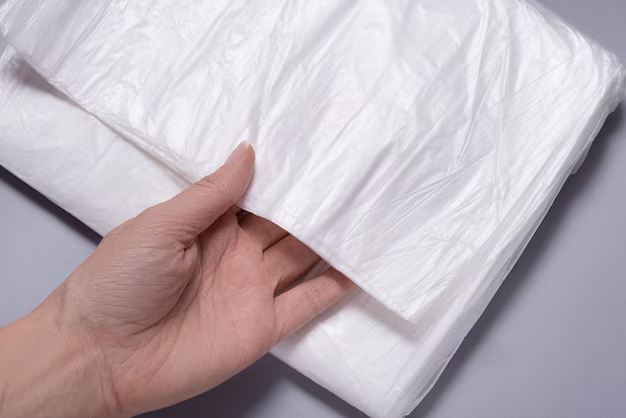
Can Bed Bugs Live in Plastic Mattress Covers and Encasements?
If you’re searching “Can Bed Bugs Live In Plastic Mattress”, you’re likely worried about an infestation and wondering whether plastic can stop bed bugs. This FAQ-style guide explains how bed bugs behave around plastic mattresses and covers, what plastic can and cannot do, and how to use it effectively as part of mattress care.
Can Bed Bugs Live in a Plastic Mattress?
Strictly speaking, bed bugs do not live “inside” solid plastic the way they might in fabric or wood. Plastic is not a material they can burrow into or feed from.
However, the real question behind “Can Bed Bugs Live In Plastic Mattress” is usually:
- Can bed bugs survive on or around a mattress that’s covered in plastic?
- Will plastic keep them out of the mattress?
The answer is:
- They cannot burrow into plastic, but
- They can still hide on surfaces, seams, and nearby areas if there are gaps or access points.
So, plastic helps, but it is not a complete solution on its own unless used correctly.
How Do Plastic Mattress Covers Work Against Bed Bugs?
What is a plastic mattress encasement?
Many people use plastic or plastic-lined encasements that fully zip around the mattress. These are designed to:
- Trap any existing bed bugs inside so they cannot reach you
- Block new bed bugs from getting into the mattress itself
- Make the mattress surface easier to inspect and clean
Can bed bugs live inside a properly sealed plastic encasement?
If the encasement is:
- Completely closed with no rips, gaps, or loose zippers
- Left on for an extended period
then bed bugs already inside the encasement can be trapped. They may survive for a while but they cannot feed or escape, so the mattress itself is effectively protected.
The key detail: bed bugs are not living in the plastic, they are just trapped by it.
Where Do Bed Bugs Go If the Mattress Is Wrapped in Plastic?
Even when the mattress is tightly encased, bed bugs can still be present in the room. They may:
- Hide in bed frames, headboards, and box springs
- Tuck into cracks, baseboards, and behind furniture
- Stay in bedding, pillows, and nearby fabrics
This is why plastic alone does not eliminate an infestation. It mainly:
- Protects the mattress as an item
- Helps reduce hiding spots
- Makes inspection easier
Think of plastic encasements as part of a broader bed bug control plan, not the only step.
Common Questions About Bed Bugs and Plastic Mattresses
If I wrap my mattress in plastic, will bed bugs stop biting me?
Not necessarily. Even with a plastic encasement, bed bugs can still reach you from other hiding places in the room. The encasement helps remove the mattress as a hiding spot but does not remove bed bugs from everywhere else.
Can bed bugs crawl on plastic?
Yes. Bed bugs can crawl on plastic surfaces, though smooth plastic can sometimes make it harder for them to grip. They may still reach bedding, pillows, or other nearby fabric surfaces.
Can bed bugs live under a plastic mattress protector?
If the protector does not fully encase the mattress or has loose edges, bed bugs can:
- Hide under the protector
- Stay in mattress seams or around the edges
- Move in and out freely
A fully encased, zippered protector is more effective than a simple top-only plastic sheet.
How to Use Plastic Mattress Encasements Effectively
To get the most from a plastic encasement around a mattress:
Choose a full encasement
Look for an encasement that surrounds the entire mattress, not just the top or five sides.Check the zipper and seams
Make sure the zipper closes completely and that seams are well-constructed to reduce gaps.Inspect regularly
Look along the zipper and edges for small dark spots or insects that could indicate activity.Avoid rips and tears
A damaged or torn encasement can let bed bugs in or out, reducing its usefulness.Consider the whole sleep setup
Remember that bed bugs can also hide in box springs, bed frames, and nearby furniture, not only in the mattress.
✅ Quick Mattress Takeaways
Key points consumers should understand about “Can Bed Bugs Live In Plastic Mattress”:
- Bed bugs do not live inside solid plastic, but they can survive on or around a plastic-covered mattress if there are gaps.
- A properly sealed plastic mattress encasement can trap existing bed bugs in the mattress and keep new ones from moving into it.
- Plastic does not remove bed bugs from the entire room; they can still hide in frames, furniture, and fabrics.
- Top-only plastic covers offer limited protection; full, zippered encasements are usually more effective for mattress protection.
- Even with plastic, regular inspection, cleaning, and broader treatment steps are important to manage or prevent bed bug issues.
Using plastic as part of mattress care can make it easier to protect and monitor your bed, especially if you’re worried about bed bugs. Understanding what plastic can and cannot do helps you set realistic expectations and build a more complete plan for keeping your sleep surface clean and secure.