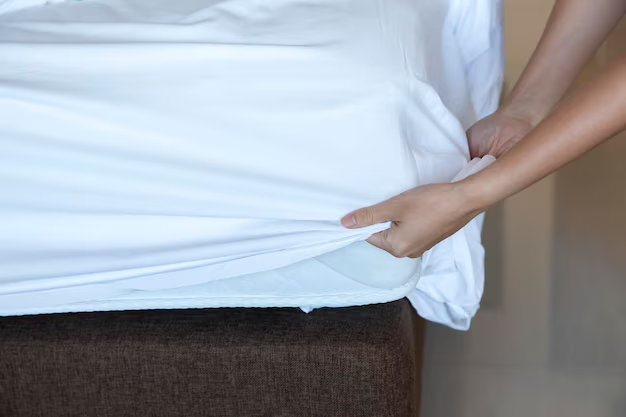
Are Mattress Covers Worth It? Protection, Comfort, and When You Really Need One
If you’re wondering “Are mattress covers worth it?”, you’re likely trying to decide if they’re just an extra accessory or a smart way to protect your bed. This guide breaks down what mattress covers do, when they help most, and what to consider before buying one.
What Is a Mattress Cover, Exactly?
A mattress cover (often called a protector or encasement) is a removable layer that goes around your mattress. It usually:
- Zips or fits around the top and sides of the mattress
- Creates a barrier against spills, sweat, dirt, and general wear
- Can often be removed and washed
Mattress covers are different from:
- Mattress pads – add a bit of softness or cushioning
- Toppers – thicker layers to change the feel of the mattress
A cover’s main job is protection, not changing firmness or comfort dramatically.
Are Mattress Covers Worth It for Most People?
For many sleepers, yes, mattress covers are worth it because they:
- Help keep the mattress cleaner over time
- Provide a first line of defense against spills and stains
- Can reduce exposure to dust, skin flakes, and other debris
- Are much easier to wash than a mattress surface
However, how “worth it” they are depends on your household, habits, and mattress age. Someone with a brand-new mattress, kids, or pets is likely to benefit more than someone with an older guest-room bed that’s rarely used.
What Problems Do Mattress Covers Help With?
1. Spills, Stains, and Everyday Mess
A common reason people ask “Are mattress covers worth it?” is concern about accidental spills. Drinks, sweat, body oils, or pet accidents can soak into a mattress and be hard to remove.
A water-resistant or waterproof cover can:
- Prevent liquids from soaking deeply into the mattress
- Make cleanup easier (just strip and wash the cover)
- Reduce lingering odors caused by moisture
2. Dust and General Buildup
Over time, mattresses naturally collect dust and skin flakes. A cover creates an extra barrier so more of that buildup ends up in something you can machine wash regularly, rather than in the mattress itself.
3. Wear and Tear
The surface of a mattress can gradually wear down from:
- Friction with sheets
- Movement in and out of bed
- Long-term use
A cover can absorb some of that friction, helping keep the mattress fabric in better shape for longer.
Are All Mattress Covers the Same?
No. When deciding if mattress covers are worth it for you, it helps to know the main types:
| Type of Mattress Cover | Main Purpose | Typical Feel |
|---|---|---|
| Basic fabric cover | Light barrier against dust and light wear | Similar to an extra sheet |
| Waterproof protector | Protection from spills and moisture | May feel slightly crinkly or coated |
| Fully zippered encasement | All-around coverage, including sides and bottom | More fitted, can be snug to put on |
| Quilted/padded cover | Light cushioning plus protection | Softer, slightly plusher surface |
Choosing the right type can make the difference between a cover that feels helpful and one that feels unnecessary or uncomfortable.
Will a Mattress Cover Change How My Bed Feels?
It can, but usually only slightly.
- Thin, smooth protectors: Often change the feel very little, especially under a fitted sheet.
- Waterproof layers: Some sleepers notice a slight rustle or different texture, especially if the material is plastic-like.
- Quilted or padded covers: Can make the bed feel a bit softer or more cushioned, but not as much as a full mattress topper.
If you’re sensitive to texture, look for covers described as soft, quiet, or breathable and avoid very stiff or plastic-feeling materials.
When Are Mattress Covers Especially Worth It?
You’ll likely get the most value from a cover if:
- 🧒 Kids use the bed – higher chances of spills or accidents
- 🐶 Pets are allowed on the mattress – fur, dander, claws, and accidents
- 🛏️ You have a new or expensive mattress – preserving the surface matters more
- 🌡️ You sleep hot or sweat at night – a washable layer can be helpful
- 🧼 You prefer easy, frequent cleaning – you can wash the cover instead of trying to clean the mattress itself
In these situations, the cost of a cover is often easier to justify than the cost and hassle of deep-cleaning or replacing a stained mattress.
What Should I Look For in a Mattress Cover?
If you’ve decided mattress covers are worth it for your situation, consider:
- Size and fit: Match your mattress size and depth so it doesn’t pull loose.
- Material:
- Cotton or knit fabrics tend to feel softer and more breathable.
- Waterproof layers may use a backing material that slightly changes the feel.
- Ease of washing: Check if it’s machine washable and dryable.
- Noise level: If you’re worried about crinkling sounds, choose covers described as quiet or low-noise.
Do I Still Need a Mattress Cover If I Use a Mattress Pad or Topper?
A separate protective cover can still be helpful even if you use a pad or topper:
- It can go under the pad or topper to protect the mattress itself.
- Pads and toppers are not always designed to block moisture or spills.
Some products combine cushioning and protection, but many people use a protector plus topper for both comfort and cleanliness.
✔️ Quick Mattress Takeaways
Key points consumers should understand about “Are Mattress Covers Worth It”
- Most sleepers benefit from a mattress cover, especially on newer mattresses or in busy households.
- Protection from spills and stains is the main advantage and can make cleaning much easier.
- Covers also offer a washable barrier against dust and general buildup, helping keep the mattress fresher.
- Not all covers are the same: choose between basic, waterproof, encasement, or quilted depending on your needs.
- Some covers may slightly change the feel or sound of the bed, so material and quality matter.
- Mattress covers are often most worthwhile for homes with kids, pets, or heavier everyday use.
For many people, a mattress cover is a simple, low-effort way to extend the life and cleanliness of their mattress, making it a practical addition rather than an unnecessary extra.