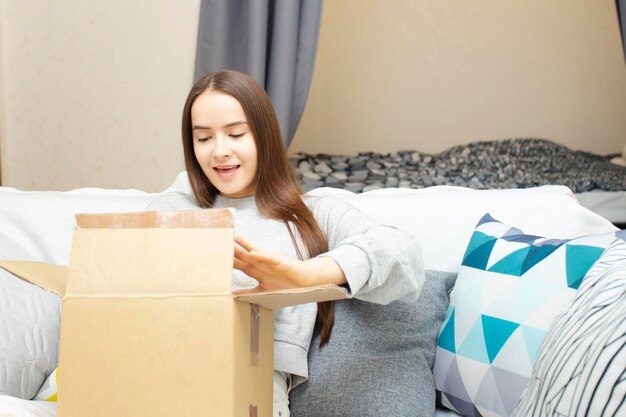
Are Box Mattresses Any Good? A Practical FAQ Guide
If you’re wondering “Are box mattresses any good?”, you’re likely considering a mattress that arrives compressed and rolled in a box. These “bed-in-a-box” options are now common, but many people still question their quality, durability, and comfort.
This FAQ walks through what box mattresses are, how they perform, and what to look for so you can decide if they’re a good fit for your sleep and home.
What is a box mattress?
A box mattress is a mattress that has been compressed, vacuum-sealed, and packed in a box for easier shipping and handling. Once unboxed, it gradually expands to its full size.
Common types include:
- All-foam (such as memory foam or other foam blends)
- Hybrid (foam layers over coils)
- Occasionally latex or latex-blend designs
The “box” refers to the packaging method, not a special mattress construction.
Are box mattresses any good compared to traditional mattresses?
Box mattresses can be just as good as traditional mattresses, but quality varies widely by design, materials, and build.
Many sleepers find that:
- Comfort: Box mattresses can feel just as comfortable as store-bought models once fully expanded.
- Support: Hybrids and well-constructed foams can offer solid support for many body types.
- Convenience: They’re easier to move through tight spaces and set up in apartments or upstairs rooms.
However, not every box mattress performs the same. The question “Are box mattresses any good?” often comes down to the specific model and your needs, rather than the box format itself.
Do box mattresses last as long?
Durability depends on materials and construction, not just the fact that the mattress was boxed.
Consider:
- Foam density: Denser foams generally keep their shape longer.
- Coil design: In hybrids, thicker coils and reinforced edges often feel more stable over time.
- Overall thickness: Very thin mattresses may feel comfortable at first but can show wear more quickly under regular use.
A well-built box mattress can have a similar usable lifespan to a traditional mattress of comparable quality. Lower-quality options may soften or develop impressions sooner.
Is it safe that the mattress is compressed in a box?
Mattresses designed as bed-in-a-box are engineered to be compressed and rebound. Manufacturers typically build them to withstand:
- Tight rolling and vacuum sealing
- Several days or weeks in a boxed state
- Gradual decompression once opened
It’s important to follow the setup instructions, which usually include:
- Unboxing on a flat, supportive surface
- Carefully cutting the plastic wrap without damaging the fabric
- Allowing enough time (often several hours or more) for the mattress to expand and air out
Mild, temporary odors can occur as foams decompress. Ventilating the room usually helps this fade over time.
What are the main pros and cons of box mattresses?
Here are some common advantages and trade-offs many sleepers notice:
Pros ✅
- Easy to move through doors, staircases, and small spaces
- Simple home setup without needing a delivery team
- Wide range of firmness and material options
- Often compatible with many bed frames and bases
Cons ⚠️
- Quality varies, especially in lower-priced models
- Corners or edges may take longer to fully expand
- Some users notice an initial foam smell as the mattress airs out
- It can be harder to judge feel and support without trying it in person
How long does a box mattress take to expand?
Most box mattresses expand enough to sleep on within a few hours, but full expansion can take longer.
Typical expectations:
- Initial expansion: Often within minutes to an hour
- Sleep-ready: Some people use it the same day, following instructions
- Full firmness and shape: May take up to a couple of days
If the mattress still looks uneven after the recommended time, gently walking on it or adjusting it on the base can sometimes help redistribute the materials.
What should I look for when choosing a box mattress?
To decide if box mattresses are any good for you, focus on specific features rather than the box itself:
- Firmness level: Match it to your preferred feel (plush, medium, firm) and sleep position.
- Materials:
- All-foam for a more contouring, “hugging” feel
- Hybrid for a mix of bounce and cushioning
- Support and thickness: Thicker, well-layered designs often feel more stable for heavier bodies or shared beds.
- Motion isolation: Important if you share the bed and want to feel fewer movements.
- Temperature behavior: Some foams can feel warmer; designs with airflow channels or coils often feel more breathable.
Your bed base also matters. A stable, supportive foundation helps any mattress perform better and last longer.
✔️ Quick Mattress Takeaways
Key points consumers should understand about “Are Box Mattresses Any Good”
- “Boxed” is just a shipping method—it doesn’t automatically mean higher or lower quality.
- Materials and construction (foam density, coil design, thickness) matter more than the box.
- Many sleepers find box mattresses comfortable and supportive once fully expanded.
- Durability varies: well-built models can last similarly to traditional mattresses; cheaper builds may wear out sooner.
- Expect some initial expansion time and possible short-term odor as the mattress decompresses.
- A box mattress can be a practical choice for tight spaces and easy setup, especially if you understand its firmness, materials, and care needs.
When you ask “Are box mattresses any good?”, the most accurate answer is: they can be, if you choose a design that matches your body, sleep style, and support expectations, and you set it up on a solid, suitable base.